
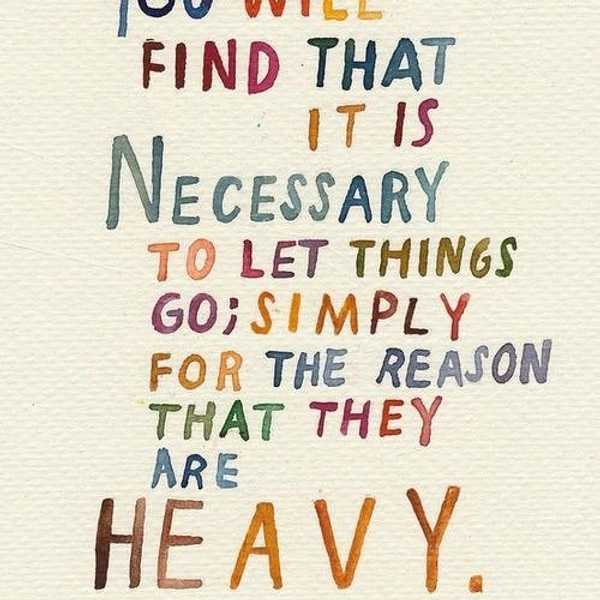

First off let me clarify that I am in no way stating that you can choose to not forgive someone. Forgiveness is not only beneficial but necessary to living an emotionally healthy life. Harboring anger and contempt towards someone can lead to bitterness, and, in the end, the person holding on to the hard feelings is the only one who is damaged. Excusing someone's hurtful action against you is only the beginning, what people don't realize is that there is more than one option after forgiving someone; you don't always have to run back to your offender with open arms, letting them back in, and giving that person the opportunity to hurt you again.
Here are your options after offering forgiveness: you can choose to give a second chance and continue the relationship with your friend/significant other while using this experience as an opportunity to allow the relationship to grow, or you can choose to walk away gracefully and accept that the relationship may not be advantageous to your personal development.
So how do you know which option is best for you? I used my personal experience to come up with some "guidelines" or clues that can help you decide between fight or flight following your forgiveness towards another person.
Give A Second Chance
Sincere Apology. It's easy for someone to approach you and admit that they acted in a wrongful manner. Confession is only the beginning to asking for forgiveness. Saying "I'm sorry" and showing genuine regret for their actions is a sign that your friend or significant other is sincere and will most likely not hurt you in the same way again.
Change of Character. Sometimes knowing that a person is truly sorry will take time; you need to be able to see a character change if someone has hurt you in a big way. Take cheating as an example. Just because you're boyfriend said sorry and sent you flowers and cried doesn't mean that he won't do it again. Don't feel bad for being cautious and guarding your heart. If you need a few weeks or months to trust someone again, then take the time you desire.
Helpful or Hurtful? You need to think about whether this conflict could help or hurt the relationship. There are some arguments that can help you learn how to love your friend in a better way. Friction is inevitable in any friendship or relationship, people were made differently and conflict will allow you to gain more knowledge about the person you care about; however, some conflict isn't going to make your relationship any better. If you start to learn that lying, manipulating, or any other kind of verbal or emotional abuse is part of a person's personality, then it's safe to say none of those qualities are going to benefit either of you.
Walk Away
All Words, No Action. If the person who hurt you is always saying "sorry" and never backing it up with words, it may be time to move on. Loving someone, whether in a dating relationship or not, requires more than words, it requires visible effort.
Manipulation. Listen to me: If you feel like you're being manipulated, you probably are. If someone is constantly making you feel guilty for something they did or makes you feel stupid and shames you for being upset, then you're being manipulated so that they can feel better about hurting you.
Less Self-Love. Surround yourself with people that make you feel like the amazing person that you are. If someone in your life makes you love yourself less, or causes you to question your self-worth, then it may be time to walk away.
Forgiveness isn't easy and relationships are hard, but it can be harder if you continue to hand out second chances to people who don't deserve them, or if you're too quick to cut out a person who may bring you immense amounts of joy. Learning when to let go and when to fight for a relationship is challenging, but it's not impossible. Love yourself, know your worth, and know how you deserve to be treated.