
So you’ve started working out; you have a scheduled regimen that you have been intensely following for weeks or even months, or maybe you like to jog or lift every so often. It’s no secret that working out immensely benefits your overall physical and mental well-being, but it’s only half of what is required to truly be “fit”. Above all, a person’s health is defined in a single place: the kitchen. In many cases, what you eat and how much you eat has a greater significance on your body than working out. Amir Khan of U.S. News in his article “Diet vs. Exercise: A Healthy Habit Showdown” states that “while both are key to living a long, healthy life…you can’t outrun a poor diet.” Now, I’m not going to give you an overly complicated guide that involves eating exotic and expensive beans from the Mediterranean. I will, however, outline a basic nutritional guide for the health conscious individual.
1.Protein
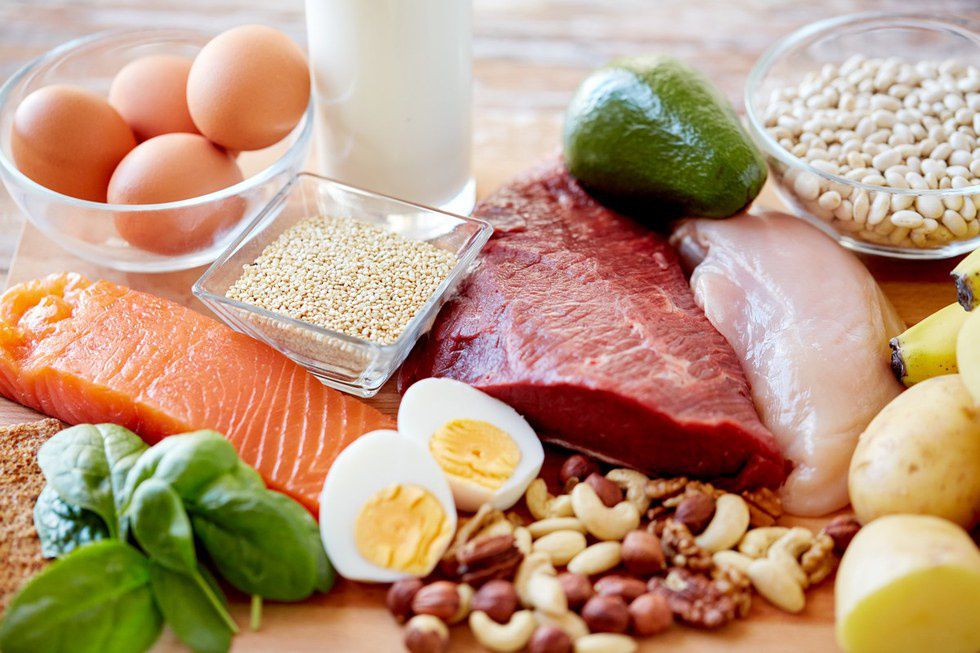
Every nutritionist knows that getting enough protein in your day is essential to gaining muscle, and generally maintaining a healthy diet. Overall, for most individuals, getting about .7 grams of protein per pound of body weight daily is recommend, but for those who hit the gym intensely, the number should increase to about 1 gram per pound of body weight. Here are is a list of 10 high protein foods.
- Plain Greek Yogurt (23g per 8 oz. serving)
- Eggs (6g per 1 large egg)
- Whey Protein (24g per scoop on average)
- Ground Beef (18g per 3 oz. serving)
- Chicken Breast (24g per 3 oz. serving)
- Turkey Breast (24g per 3 oz. serving)
- Jerky (13g per 1 oz. serving)
- Tilapia (21g per 3 oz. serving)
- Mixed Nuts (6g per 2 oz. serving)
- Tofu (12g per 3 oz. serving)
2.Good fats

Typically, we think of fats as something to stay far away from, but in actuality, unsaturated fats, such as monounsaturated and polyunsaturated fats, are encouraged for a healthy diet. These fats not only give you longer lasting energy than say carbs do, but are also responsible for the building of every cell in our bodies. In addition, good fats can improve blood cholesterol levels, lower the risk of heart disease, and are even beneficial for your mood. Overall, you should be aiming for around 50 grams of fat per a 2000 calorie diet. Here is a list of 7 unsaturated fats.
- Avocados (monounsaturated)
- Nuts-almonds, peanuts, pecans, cashews, etc. (monounsaturated)
- Natural peanut butter (monounsaturated)
- Olives (monounsaturated)
- Walnuts (polyunsaturated)
- Sunflower seeds (polyunsaturated)
- Fatty fish-salmon, tuna, trout, etc. (polyunsaturated)
3.Vegetables and Fruits

You knew this was going to be on the list somewhere. Vegetables and Fruits contain micronutrients that are essential to receiving vitamins and minerals to the body. Although you could get those from a multivitamin, the body actually absorbs micronutrients more efficiently from food than from a pill. I should premise, however, that in regards to fruits, they can contain large amounts of sugars. Therefore, whenever you get a chance, substitute a fruit for a vegetable and your body will thank you. On average, you should be getting about 10 servings of fruits or vegetables each day. Here is a list of 7 nutrient filled fruits and vegetables.
- Mango (201 calories per serving)
- Orange (62 calories per serving)
- Avocado (234 calories per serving)
- Kale (33 calories per serving)
- Broccoli (31 calories per serving)
- Brussels Sprouts (38 calories per serving)
- Spinach (41 calories per serving)
4. Carbs
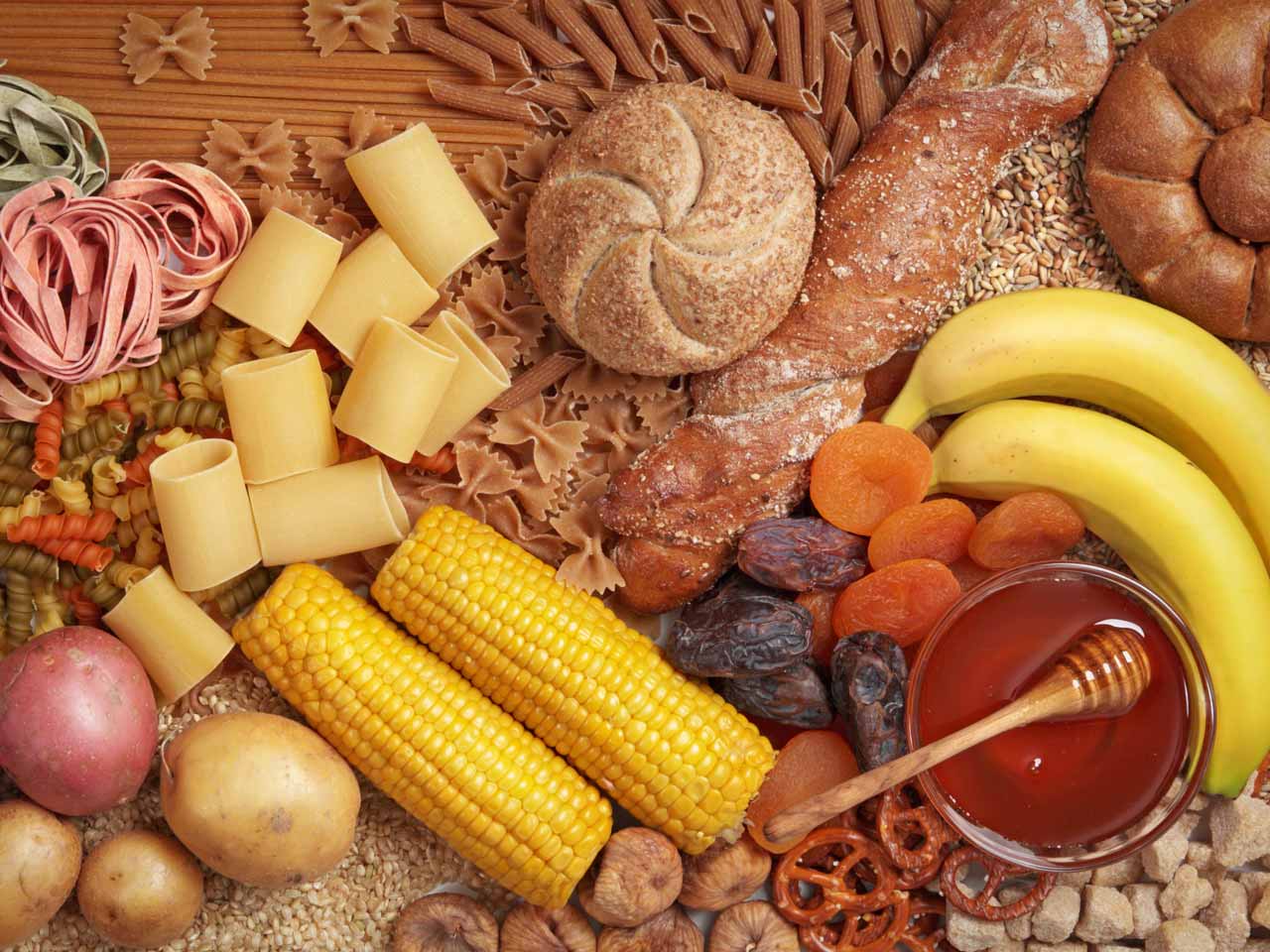
There is a reason that carbs are so much lower on the list. Although they are essential to providing energy to the body, they only work well for a short amount of time. When consuming carbs, there is 30 to 60 minute window before your body turns all of the energy gained into fat, thus it is necessary to eat carbs primarily before a workout. For those who are working to build muscle, a carb load day every 3-4 days is recommended, upping your daily carb intake to anywhere from 100-150 grams. Here is a list of 5 good carb filled foods.
- Bananas (27g per serving)
- Breakfast cereal (55g per serving)
- Oatmeal (27g per serving)
- Brown Rice (45g per serving)
- Whole Grain Pasta (14g per serving)
5. Spreading out your meals
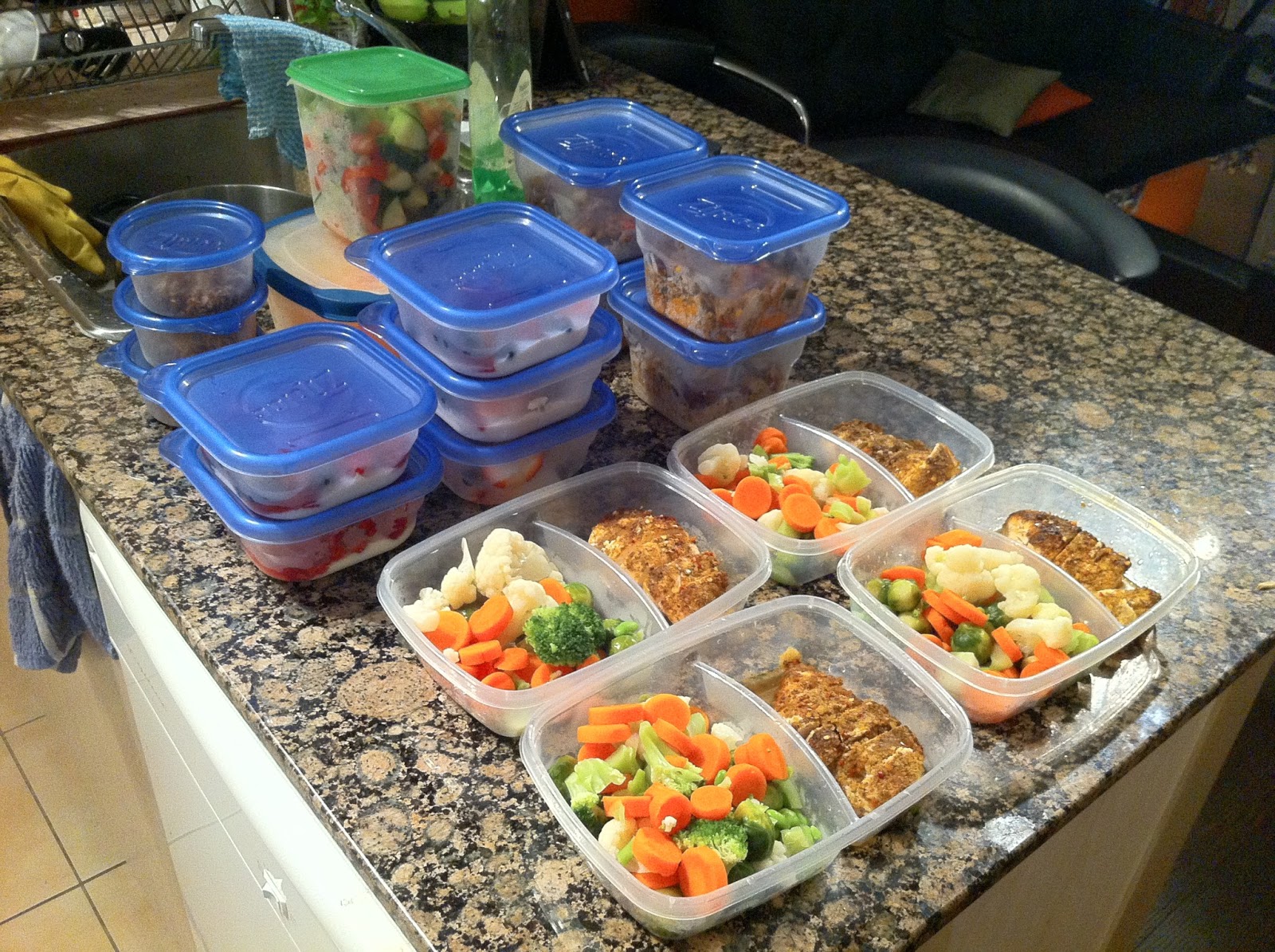
Although it seems difficult, most nutritionists recommend eating six small meals a day instead of three large meals a day. This regimen has been known to greatly impact weight loss, manage hunger, and maintain energy levels.
Now, I’m not saying that you need to follow this dietary format intensely. Rather than this list being the ultimate rule to health, it should be a guideline; essentially, as long as you follow most of the basics, you’ll do fine. So make you watch what you eat, stay persistent, and keep on being healthy.