With just eight months remaining until the 2016 primaries, candidates from both parties are scrambling to outdo each other in shameless self-promotion.
Multi-million dollar businessman and republican candidate Donald Trump recently picked a fight with escaped Mexican drug lord El Chapo via Twitter, while democratic front-runner Hillary Clinton came under fire for her hypocritical stance on equal marriage.
The names Trump and Clinton, along with Governor Jeb Bush and Vice President Joe Biden, have dominated the mainstream media, but if one looks closely at social media and political forums they may see discussion of a rising star.
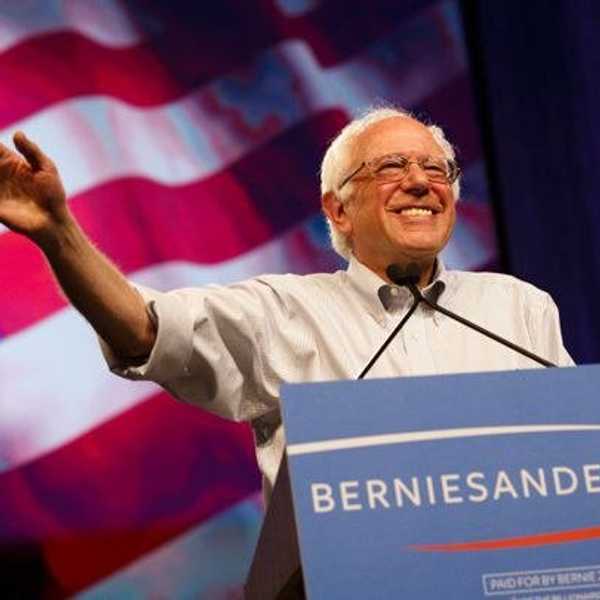
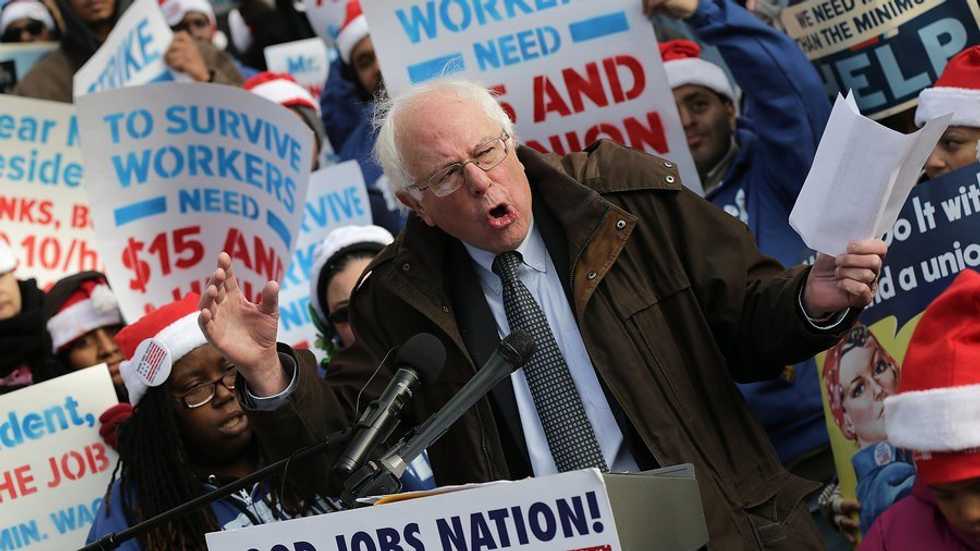
Who is Bernie Sanders, and why is he such an important figure in the upcoming election? Simply put, he's the first candidate to inspire genuine hope for positive change among American voters--especially young voters--since Obama's dynamic campaign in 2008, the unfulfilled promises of which left many of his once optimistic supporters feeling disenfranchised.
Sanders is an admitted socialist, and takes a strong stance against big money in government and an unregulated capitalist market, which he blames for gross economic inequality and the trend of companies regulating congress rather than the other way around.
He lobbied against the Iraq War, the PATRIOT Act, and the Defense of Marriage Act, while continually offering support to the Global Warming Pollution and Reduction Act and medical marijuana legislation.
While his status as the only socialist on Capital Hill hardly leaves him immune to criticism from average voters, his views are being regarded as much more palatable--and his political career, cleaner--than his competition.
When it comes to casting a vote, compromise has been the name of the game in America for some time. It's difficult to feel any moral satisfaction when the basis for your decision is who you think would make the least awful president. There has been a prevailing attitude of complacency, wherein Americans are okay with not getting to vote for people they approve of, instead opting for the ones they disapprove of less.
At this time, republican candidates remain deadlocked in a bid to seize popular vote. Recent polls tell us Donald Trump, a multi-million dollar businessman with no experience in government, is currently leading at 18 percent.
In a more moderate election environment, Sanders' campaign, which relies heavily on small donors relative to other candidates, likely wouldn't stand much chance of getting the nomination.
However, voter stigma towards big corporations and their corrupting influence on politics are working in the senator's favor. Uploaded videos of his rallies and television appearances are flooded with comments praising just how little he resembles the majority of politicians in his blunt, honest take on some of the nation's most crippling problems.
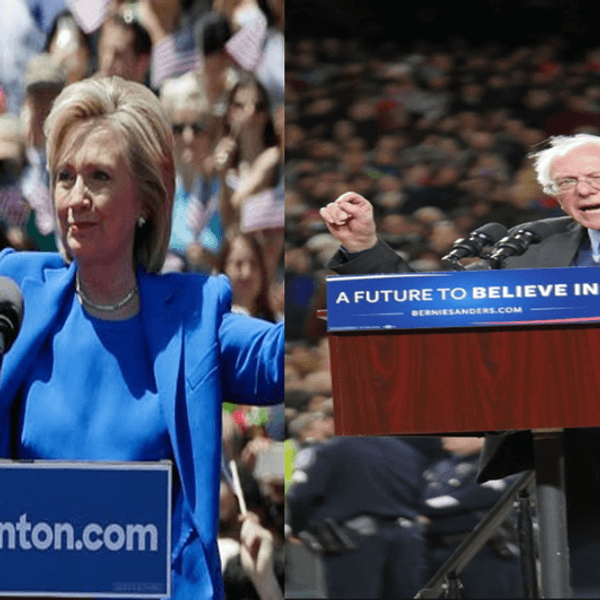
Just three months ago, Sanders garnered only 4 percent of registered democrats in a poll by FOX. That number has since jumped to 19 percent. Hillary Clinton still leads by a wide margin, capturing 57 percent of the vote in the most recent poll.
The power of her super-PAC, along with Sanders' obscure status, may prove insurmountable obstacles. However, even in Sanders can't swipe the primary from Hillary, his popular stances are forcing her to reevaluate her own platform, and may even affect her policies if elected.