Casey Neistat is an American filmmaker who runs a YouTube channel that has garnered over 7 million subscribers. I was just recently introduced to his content and happened to stumble upon a movie he made for the Opinion section of The New York Times. The video can be viewed here.
Watching the video, I began to feel increasingly angry. I couldn't help but recall reading another story where sugar industries paid scientists to put the spotlight on fat in regards to which is worse for a person to consume.
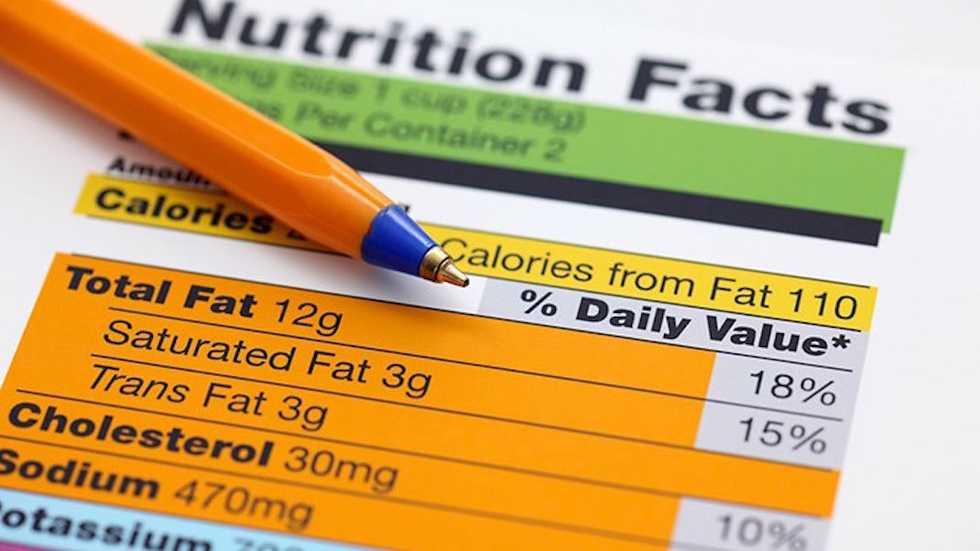
I do believe people are going to be inclined to eat in the way they are accustomed to and some people will make unhealthy decisions regardless of nutrition labels. However, if a person decides they would like to be more conscientious about the food they are eating, then they are most likely going to trust the labels on foods they are eating to be accurate. The inaccuracy of these food labels could be why some people don't experience the weight loss they expect and, in turn, give up on their own journeys toward a healthier lifestyle. Why eat healthily and deprive your diet of enjoyable foods if nothing about your body is going to change?
As someone who has struggled with their weight their entire life, undergone weight loss surgery, and is gearing up to enter a career in the department of weight loss and weight management, it's nothing new to me to see items labeled as 'healthy' to actually not be nearly as nutritious as some might think.
However, it took me years of meeting with doctors and an extensive surgery before I learned how to truly read nutrition labels and not everyone is guaranteed that privilege. However, even if people were more educated, it would be difficult when the definition of 'healthy' is constantly changing. As the story linked above shows, we could be told fat is what we should avoid one year and the next added sugar is the number one thing a dieter should avoid.
I don't think it's a ridiculous request to ask for accurate calorie counts. Even thought weight loss and management can vary greatly from person to person, being aware of the caloric value of different foods people encounter every day is the first step towards a healthier America.