


Rome, Paris, New York; all three places are some of the world's top fashion powerhouses. All three cities have produced some of the top trends, from high-low skirts to the hottest new shoes. But have you ever wondered about the negative ideas that they've enforced?
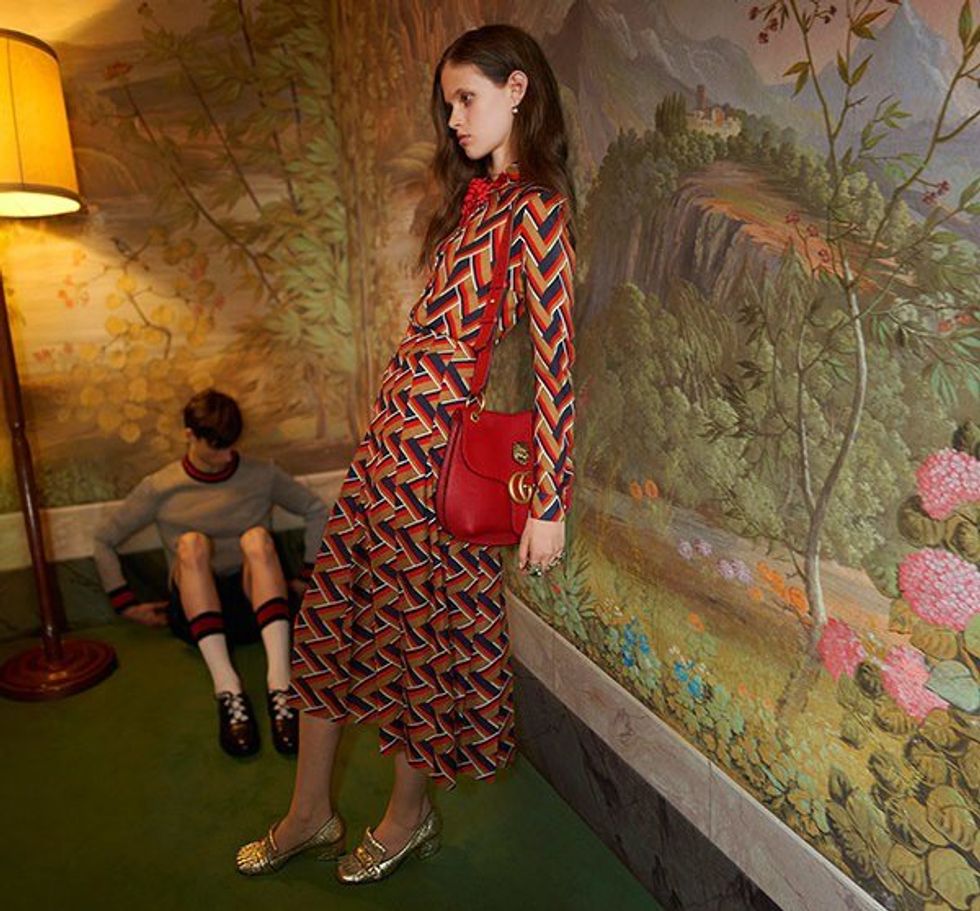
In April 2016, the Advertising Standards Authority (ASA) in Britain banned an ad from Gucci that featured models dancing around and having fun. Their reason? One of the models was ruled, "unhealthily thin". Gucci, a notable brand in the fashion industry and the company in question, stated, "it was a subjective issue as to whether a model looked unhealthily thin."
Banning ads due to unhealthy weight isn't new. The ASA banned a Yves Saint Laurent ad in 2015, due to a model being "unhealthily underweight". In fact, in France this last year, it was ruled that models are to provide a doctor's note proving that they are at a healthy weight.
This brings up the question of weight, a hot button issue for some. What is the healthy weight for models? While I couldn't find a specific number, I did find this. According to ABC News, "Twenty years ago, the average fashion model weighed 8 percent less than the average woman. Today, she weighs 23 percent less." This is concerning. When has it ever been okay for anyone, models included, to weight less than average?
This fact also makes me question how the models image and the lifestyle that some live influence the world's children. According to Eating Disorder Hope, a leading organization in the push for education on eating disorders and recovery, "America is a culture that is inundated with images. Websites, magazines, television and advertising have come to serve as a manual for how we should look, dress and live."
Because of this, the women and men of our society are pressured into looking a certain way, feeling a certain way, and acting a certain way when dealing with weight and even their lives. It enforces the idea that being at an unhealthy weight will help one gain the riches and the benefits that the models do. If one is skinny, they'll be able to look like the models. This provides a standard of beauty, of richness, and therefore people who want to achieve those things may attempt to obtain them through unhealthy ways, whatever means will make them look like the models -- skinny.
Girls and boys alike may think that they are overweight, due to the images of models' thin figures being everywhere. They see something wrong with their bodies, whether they are overweight or not. This is a key factor to a lowered body image, low self esteem, depression and possibly even eating disorders.
Now, I'm not blaming the fashion industry by any means. It's not their fault that many people look up to the models/industry and aspire to live the life that they promote. I do think it is a factor of why society has such an issue when it comes to body image. I am glad, though, that ASA and the rest of the world are raising their voices when discussing the growing issue of body image in the fashion industry and in general. By banning the photos and videos that they did, speaking out against them and pushing for doctors' notes from the models before they walk or are photographed, they're pushing for the idea that maybe the fashion industry's body image demands are too high; something that needs to be questioned.

















