
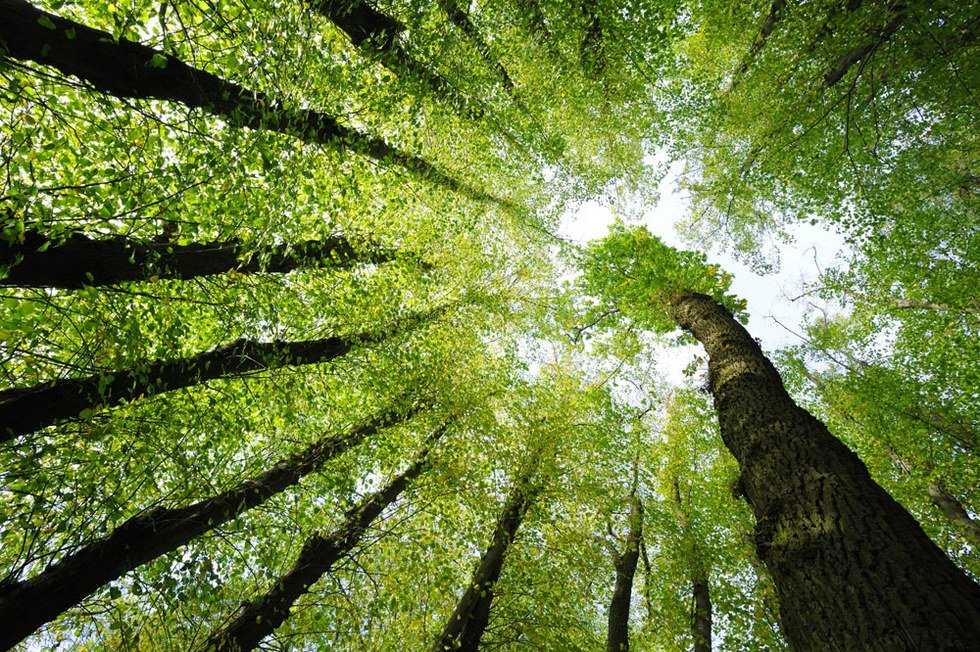
The environment is in a fragile state: there is extreme pressure on governments and businesses to form a more sustainable society. However, a huge part of our relationship with the Earth is how we interact with it individually. Many of our everyday tasks are damaging to the world around us. Here are 7 habit changes everyone should make in order to create an environmentally friendly world.
1. Change Your Morning Caffeine Routine
Whether you are a tea or coffee person, the way you are getting your caffeine in the morning is probably unsustainable.
Using a Keurig? Plastics k-cups are detrimental to the environment. All of the k-cups that were used in 2013 could wrap around the world 10.5 times. That's 8.3 billion k-cups embedded into our earth, in one year. In addition, those 8.3 billion k-cups are neither biodegradable nor recyclable. Keurig released a statement that by 2020 they plan to launch a more sustainable system, but until then, unplug your Keurig.
Going to a coffee shop? Cafés are places of culture, aromas, and cool baristas. Personally, I couldn't think of a better way to start my day.
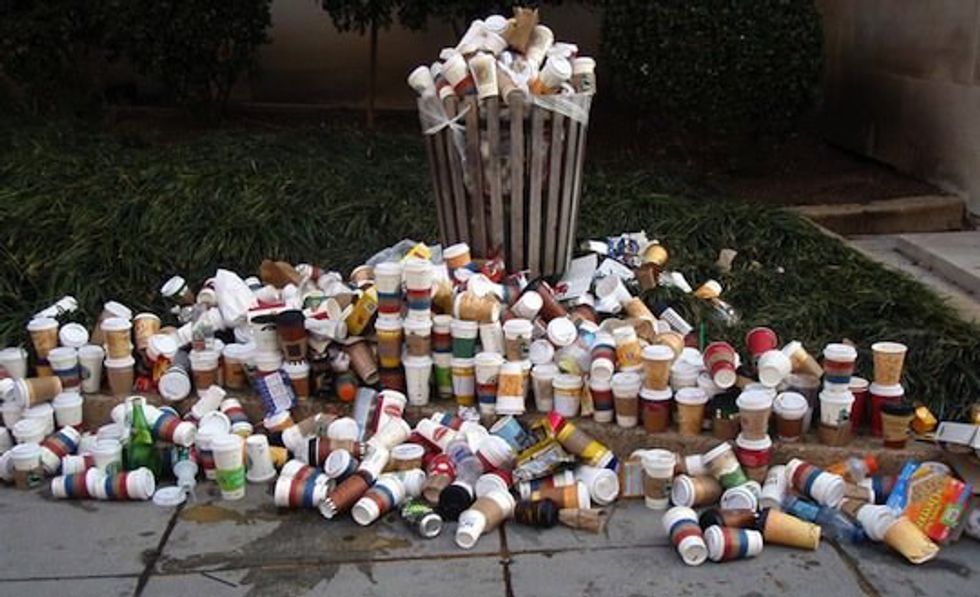
However, each disposable paper cup that they use creates unnecessary waste. The average American consumes 500 disposable cups a year. That means that between the age 20-30 you have personally added 5 thousand paper cups to the landfills.
Not only do coffee shops create waste, but the process of making these paper cups means deforestation and the production of greenhouse gasses. Many coffee shops are making efforts to reduce the environment impact of their cups. Starbucks makes 10% of their cups out of recycled paper. However, they are still not recyclable (because of the plastic lining inside).
If you're heading to a coffee shop in the morning, bring a reusable mug or tumbler. Many cafés will give you a discount with a reusable mug, and there are a variety of styles that you can choose from, so there is no downside to skipping the paper.
You are a tea person? You're most likely leaving a large footprint on the environment, too. For your morning cup try using loose tea (tea that is not in a paper tea bag). If loose tea is too complex or slow for you, use Celestial Seasonings tea brand; they explain on their box, "with no string tag, staple or wrapper, our natural fiber tea bag keeps 3.5 million pounds of waste out of landfills every year."
2. Eat Less Meat
Americans consume more meat than any other population on the globe. Not only is this unhealthy, but its extremely poor for the environment as well. Raising animals for mass production of meat requires exuberant proportions of water-- a diminishing natural resource.
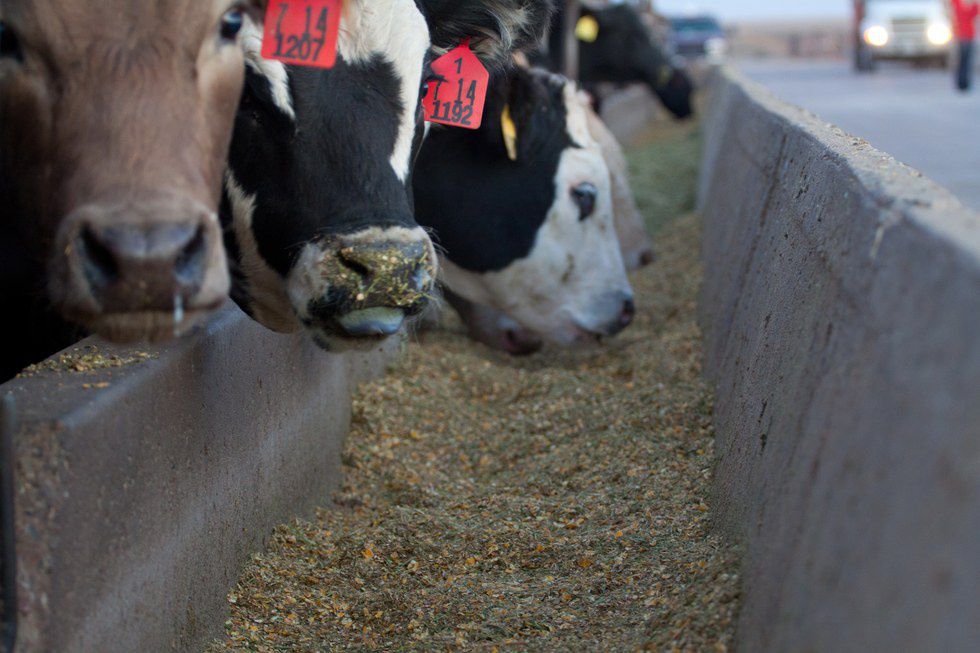
Often times cows are given foods that their bodies are not capable of properly digesting. For example, many farms feed cows grain, despite the fact that their bodies are built to consume grass.
In result, the cows have digestive issues that give them lots of gas. Although this seems trivial, their gas has large amounts of methane. Because of this eating meat has a larger carbon footprint than driving a car. If you can't cut meat out of your diet completely, try Meatless Mondays or have at least one vegetarian meal a day.
3. Use Matches Instead of Lighters
Many people find lighters easier than matches; however, were hurting the earth by choosing convenience. Matches are biodegradable unlike the plastic of the lighter. Over 1.5 billion lighters end up in landfills each year. Unlike matches, lighters also use gas which is generally poor for the environment. So next time you want to light a candle, reach for matches instead of the lighter.
4. Be Conscious of Your Laundry
Laundry is a small task that we don't often associate with the environment; however, the amount of water and energy it takes is remarkable. Heating water for laundry is one of the leading sources of energy consumption in a modern home. By using cold water with all of your loads, you could individually reduce 1,600 pounds of carbon dioxide emissions a year.
In addition to using cold water, wait until you have a full load to do laundry. This will save water and energy. If you only have a few things, ask to throw them into your friend or family member's load.
Only use a dryer with heavy items. Small and thin items dry relatively quickly on a drying rack. Only use the dryer if absolutely necessary.
5. Buy Your Food Locally
Buying your food locally will improve your carbon footprint and most likely your health. Local food is raised genuinely-- usually without GMOs and other chemicals.
The use of hormones, pesticides, and fertilizers are always good to keep at a minimum, for they get into the run-off water or go through the food web-- reaching environments they were not intended for. They then rapidly change the biospheres they reach-- making one species, like algae, grow at an extremely fast pace.
The excess of these species upsets the balance of the ecosystem then ruins the local environment. This process is so common and detrimental that it has a term in biology, "eutrophication".

Local foods are also in less packaging-- that means less plastic, so fewer trees being cut down, and less waste in the landfills.
6. Recycle Old Phones
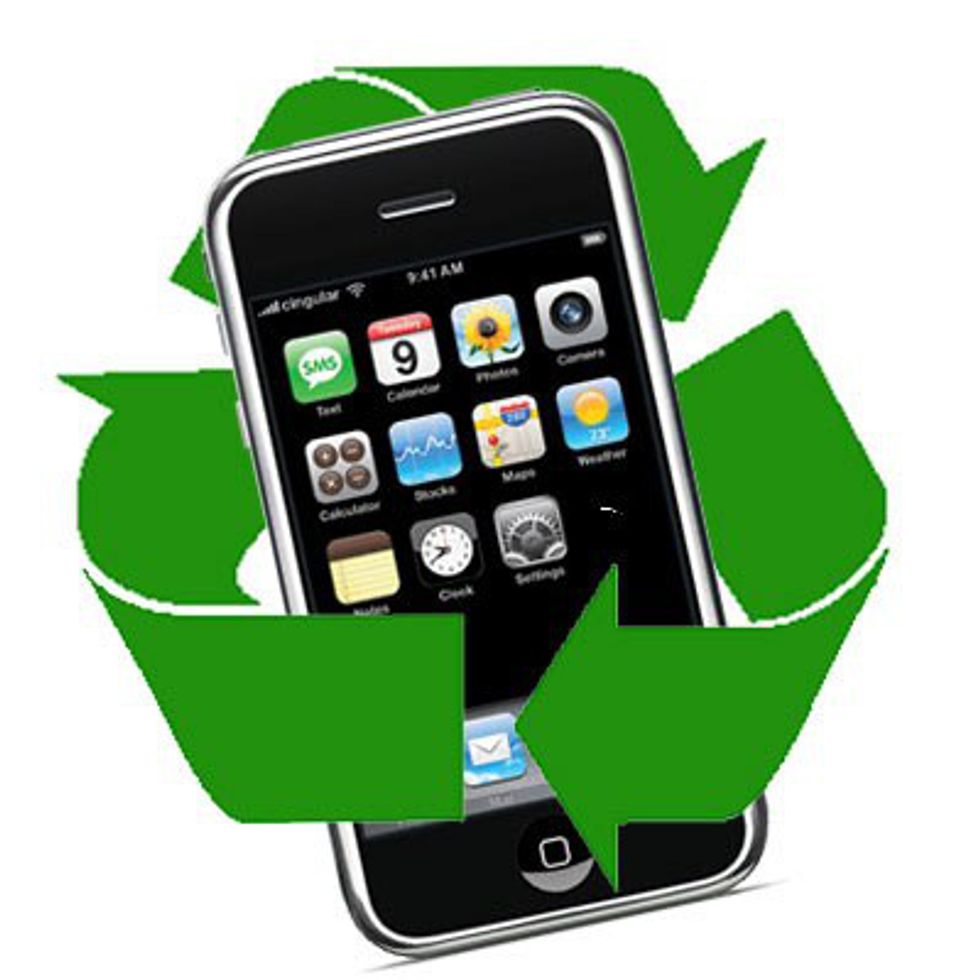
The resources that necessary for cell phones and computers are scarce and deeply embedded in Africa. Finding these valuable resources ruins the landscape of Africa. They are also being rapidly depleted as cell phones become more common. Practice resource management by recycling your old phones when you get a new one. The apple store will take your old phone and laptop and recycle it for you!
7. Say No to Plastic Bags
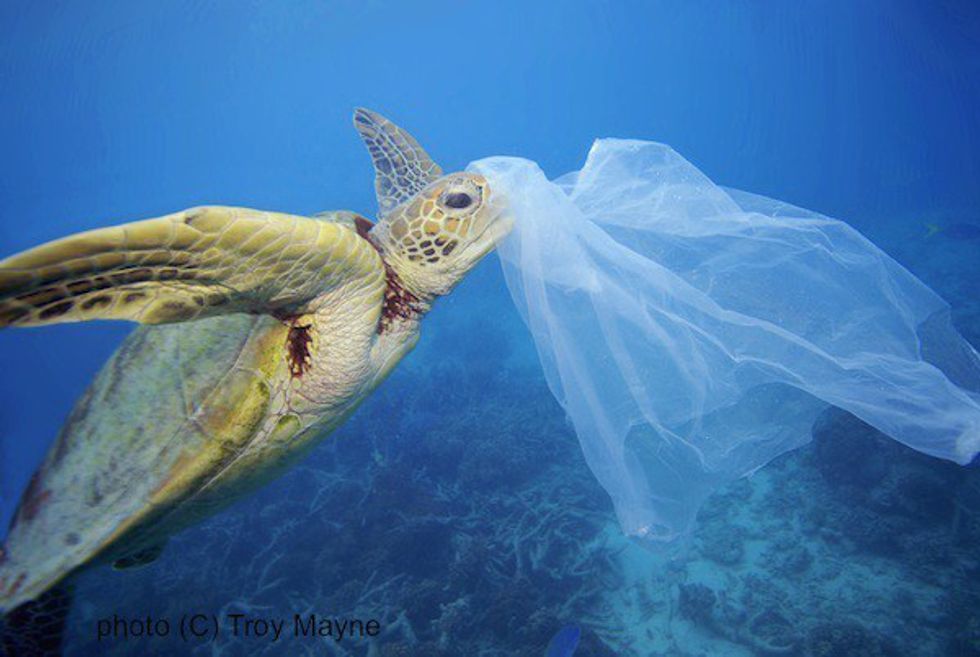
Although they're convenient, plastic bags are disadvantageous to our environment. They fill our oceans and wildlife, killing or seriously injuring animals who are vital to our world. Switch to trendy reusable bags, or put your item in the purse that you are already carrying.
If you need to use a plastic bag, be sure to tie it in a knot before you toss it in the trash! They fly away easily otherwise, becoming litter instead of making it to the landfill.
So even if you can't change the way businesses and governments are operating-- take these smalls steps to make our world a more healthy and happy place to live.