I witnessed a strange event over the weekend as I was traveling to New York. A man, probably in his forties, approached the information desk and asked the officer several questions about his travel plans. He was probably an immigrant; he had a thick African accent and was wearing traditional clothing. Suddenly, the officer started yelling at him saying that “he couldn’t come to this country” and that he should not “expect everyone to serve him without his contribution as a taxpayer.” The man explained to the officer that he had been living here for several years, and uninterested in enduring further harassment, he turned around and walked away. The officer did not hesitate to yell after him, calling him derogatory names with fury.
I didn’t understand why the officer got so mad at a traveller who was behaving quite respectfully. I thought that maybe he was having a bad day, and I shrugged the whole experience off.
This type of aggression towards outsiders is hardly new, especially nowadays. We see anti-immigrant sentiment rising all around Europe leading to far-right parties gaining more and more power. Freedom Party in Austria (founded by former Nazi Party members), Sweden Democrats in Sweden, Golden Dawn in Greece, Alternative for Germany in Germany, and National Front in France have all managed to win more seats in their respective parliaments in recent years. The sudden popularity of referendums in Europe also seems to be highly influenced by the huge immigration crisis going on. Hungary will have a referendum this autumn on European Union migrant quotas, and Estonia may follow that suit. Moreover, now that the United Kingdom has decided to leave the European Union, as a result of a campaign mostly focused on immigration, a domino effect will occur and many countries will begin to schedule referendums to decide if they also want to continue being a part of the Eurozone.
The rise of anti-immigrant sentiment is understandable when one considers the components of the puzzle. On one hand is the Islamic State, which has proven its ability to impose terror on a global scale. Many cities that have previously been thought untouchable now suffer from the global reach of ISIS. Moreover, the influx of immigrants threatens the pretty homogenous structure of most European nations. The newcomers from Middle Eastern and African countries come from a different culture, which most Europeans nowadays regard as a peril.
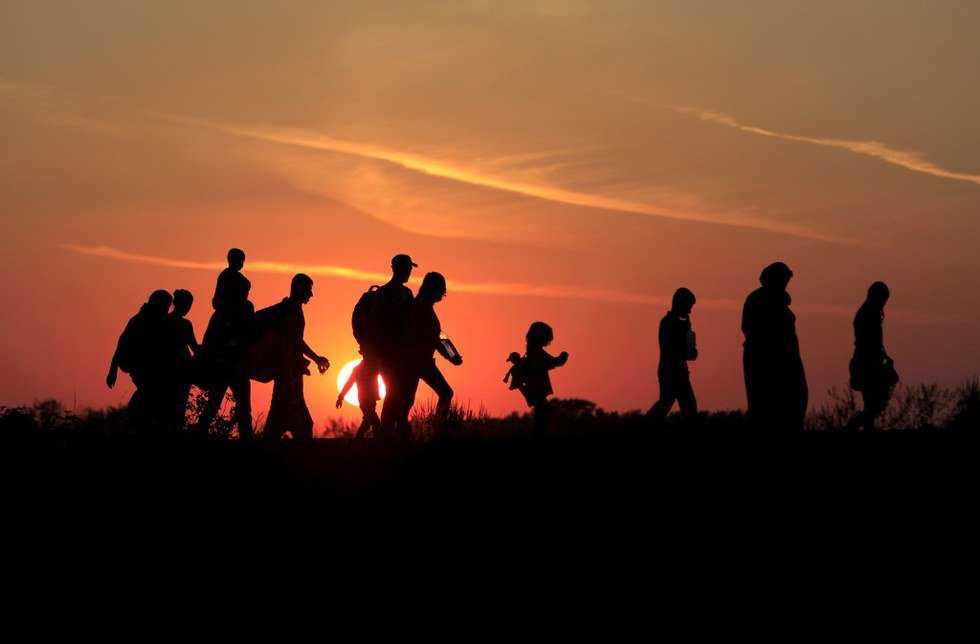
However, the immigration crisis exists, and how the world leaders choose to solve it will have prominent effects on what the world will look like in the following decades. It would be very disappointing to watch a part of the world previously so committed to human rights abandon millions of people who are in desperate need of security, shelter and food. Whether if it’s the citizens of these countries’ duty to financially take care of these people or not is a different question. For those people who ask the question “why should we take care of them” the answer is pretty simple: humanity. For any individual to thrive first you have to invest in them. It’s simply illogical to expect these people to contribute to society if society itself is unwilling to give them a chance. However, if European countries can manage to set aside their prejudices, they can start working towards turning millions of tragic stories into an opportunity. If they are given the chance the young and eager immigrant population can in the long run help dynamize the economies of these countries both as active participants in the workforce, taxpayers, and potentially as citizens of a state that has showed compassion.