

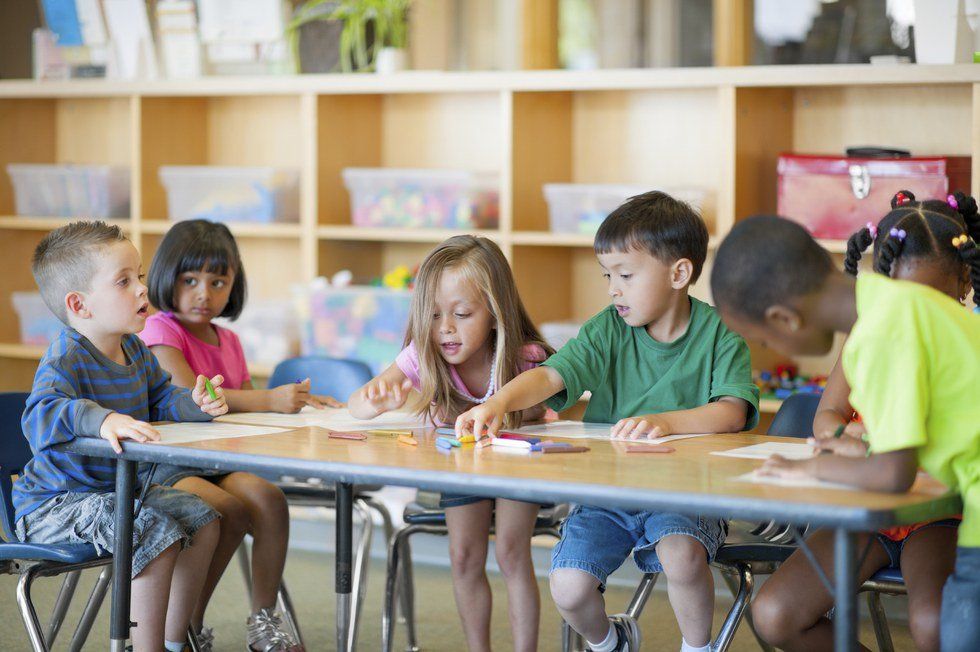
Think back to your first days in kindergarten (if you can remember that far back). The smell of glue filled the air, packed lunches lined the cubbies, and the chirps of excited five-year olds packed the room. As everyone settled in to class, the teacher laid out a set of rules for everyone to follow. Growing up, I realized how often some of these guidelines came into play in my life. Although some of these rules may seem cliché or childish, they have a bigger influence on our lives than most realize.
If you don’t have anything nice to say, don’t say it at all.
I have found that this rule comes up most often, as it is applicable in just about every life situation. It is important to have your own opinions on certain topics, but if the words that you use deeply offend or cause harm to others, that is where the line must be drawn. Especially when it comes to discussing prominent issues such as race, religion, or political background, it is crucial to keep an open mind and a tame mouth. One wrong word is not worth it if it means you lose a friend and create an ignorant reputation for yourself.
Say you’re sorry.
I know that “I’m sorry” can’t always fix everything, but it is surely a start when you’re in the wrong. Swallowing your pride and apologizing for screwing up is more admirable than preserving your ego and making a fool of yourself. Often times, owning up for something you may have done wrong will make both parties feel better in the end because it results in a salvaged relationship and a valuable lesson learned.
Treat others the way you want to be treated.
This one is fairly obvious, yet I believe it is the most forgotten of these essential childhood rules. In the simplest terms, this rule translates to “don’t be a jerk.” Being inclusive and respecting people are two ideas that everyone should follow no matter what. Unless someone is an utterly terrible person, there is no reason to treat them differently than you would want to be treated. Nobody wants to be treated like trash, and I’m sure you don’t, so it’s pertinent to make an effort in ensuring that we leave any negative mentalities behind.
Clean up after yourself.
When I say this, I don’t mean clean up as in wash the dishes (although that is important, too). I mean “clean up” as in take responsibility for your actions. We are all capable young adults at this point, so it’s time we were liable for not only our wrongdoings, but our good deeds as well. Owning up to your faults will show people that you are able to recognize your faults and are willing to work to fix them. On the other hand, taking pride in your good deeds will teach humility, an important characteristic to maintain.
Listen when someone else is speaking.
Two ears, one mouth. This means that we should be listening more than we are speaking. By listening to others, we are able to enhance our own perspective on the world in that we learn from other’s experiences. There is an array of people with deep and profound stories that are worth hearing. Listening to these stories will grant you the opportunity to discover something about the world, your community, or even yourself that you may not have thought of before. Keep your ears and thoughts open to anything.