
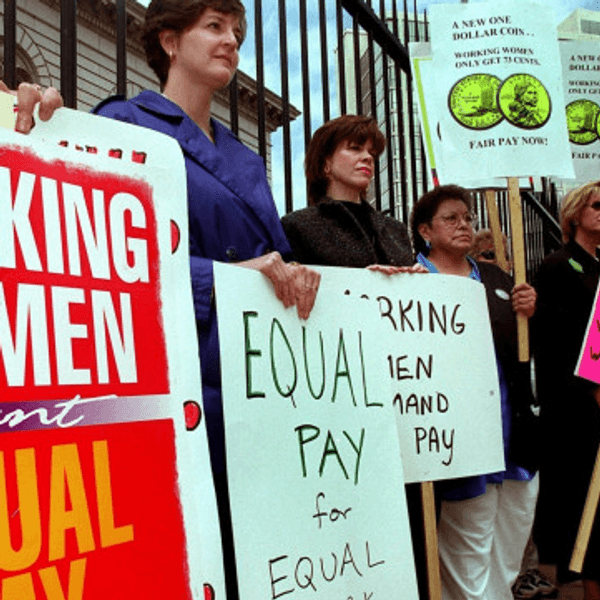

There’s been a recent fuss about equal between the U.S. men’s and women’s national soccer teams. The men make almost three times the amount that the women make per year. Yes, they essentially have the same job so the “equal pay for equal work” idea makes sense but it is much more complicated than that.
Sure, the women win more and are consistently better than the men but it all really boils down to the amount of revenue that each team produces. This is where the men really have the women beat. The men’s team received a staggering $2.5 million in their recent fourth place showing at the CONCACAF this past summer, while the women earned a simple $2 million for winning the World Cup in 2015 (Germany got $35 million for winning the men’s World Cup in 2014). This seems wildly unfair but we have to consider that 2014 World Cup generated $4 billion for FIFA, whereas the 2015 women’s World Cup generated a mere $2 million for the federation. Sure, the women win more than the men do but the two sports obviously don’t generate an equal amount of money. So where does the women’s team want this money to come from?

The women’s main problem is with the U.S. soccer league, because they’re the ones in charge of paying these players. But even they don’t necessarily have the means to simply pay these women equally. They get the majority of their money from ticket and memorabilia sales, as well as other means from the respective teams. It’s for the same reason a waiter from Applebee’s doesn’t make as much as a waiter at a high-end steak house. You expect much more out of the steak house and will be displeased if you get anything that falls short of those expectations. However, with Applebee’s you go, generally know what you are going to get and if your experience falls short of expectations it’s not a horrible disappointment.
Same concept goes with our national soccer teams. When they play, all eyes on our men’s team—even in the friendlies—and anything short of excellence is not accepted. Whereas our women’s team only truly reach the spotlight in their major tournaments. Average attendance drops drastically for the women in non-World Cup years while the men stay pretty consistent each season. In 2015 (a World Cup year for the women) the men had an average attendance of 32,600 while the women drew an average crowd of 25,900. The last season where neither team had a World Cup to play in was 2013 and the men’s average attendance was 33,000 whereas the women’s number drops dramatically to 12,300.

The fact of the matter is that women aren’t playing in nearly the same league. Yes they have the same job description at the core (much like the waiters from Applebee’s and the steak house), but they are on two very different stages. The women’s argument for equal pay is sadly unrealistic and their early exit in these Rio Olympics doesn’t help their cause at all.