

On an everyday basis, the world is bombarded by mass media, be it music, movies, TV shows, magazines, books; it’s a never ending cycle of constant contact. People want to see themselves portrayed in the media that they consume. However, this is not happening. Among the top grossing sci-fi/fantasy movies through 2014, only eight percent star a protagonist of color. Of those eight percent all of them are men; fourteen percent of protagonists are women and of those fourteen percent, zero percent are women of color. Zero percent of protagonists are LGBTQA, and only two percent are people with a disability (Jason Low, 2014).
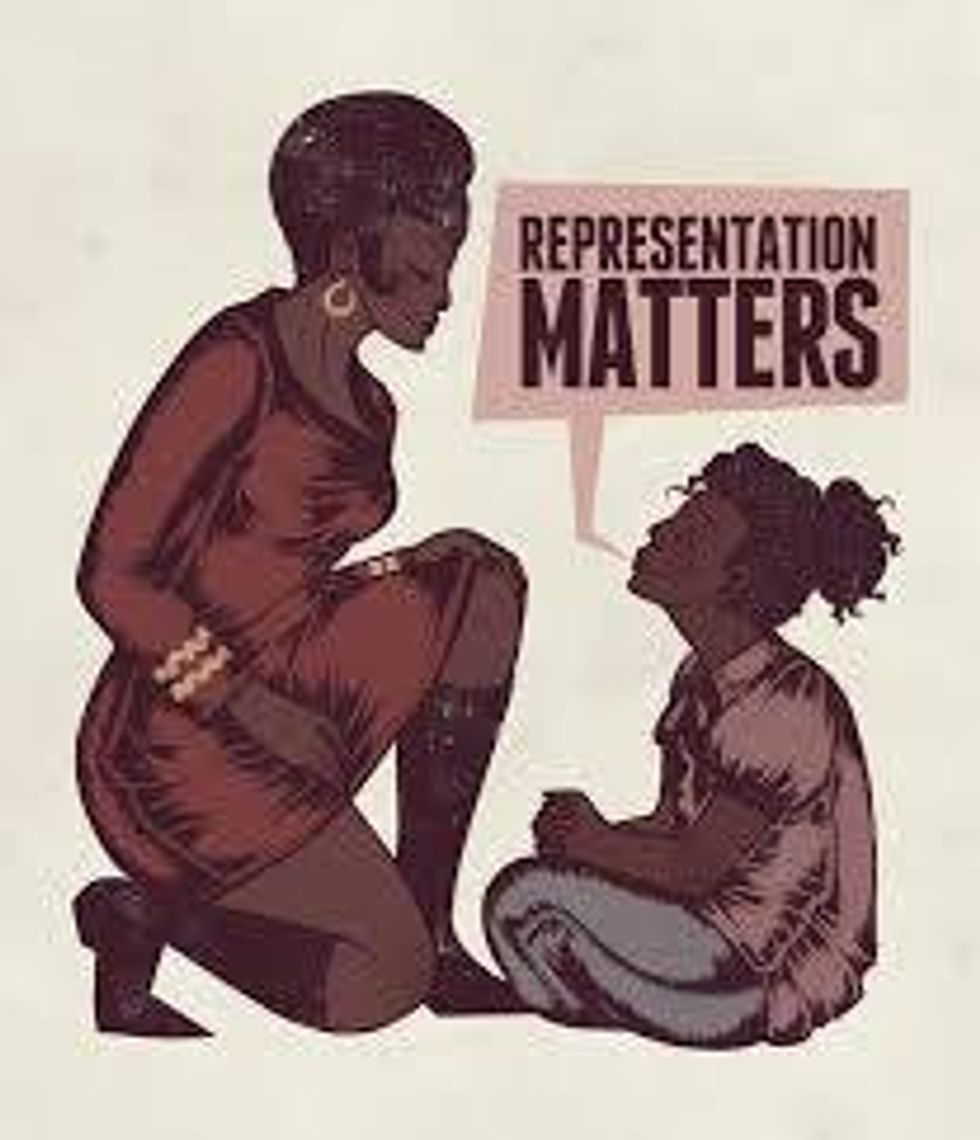
Those statistics, while startling, do not even begin to scratch the surface of the obvious disparities in the media when it comes to how diversity is handled. The lack of diversity has adverse effects, especially on children. Minority children are left out of the self-validating privilege of seeing themselves as the hero of a TV show, movie, or book. There is a shortage of heroes that are not straight able-bodied white men/boys. However, mass media is taking a small step towards inclusion.
Examples of this new found diversity are the children’s series “Doc McStuffins,” the ever increasing amount of minority protagonists in Marvel movies, and new TV shows featuring minority casts. “Doc McStuffins” follows a six year old African-American girl who, inspired by her doctor mother, opens a hospital for her stuffed animals. According to the New York Times,“Doc McStuffins” attracts an average of 918,000 children between the ages of two and five (NY Times, 2012). Marvel has in recent weeks begun to announce superhero movies and comics that will feature women (Wonder Woman, Captain Marvel, Thor) and people of color (Wonder Woman, The Black Panther, Aquaman) as the protagonists. One of the most promising new TV shows of 2014 is Jane the Virgin. Jane the Virgin features a main cast that is comprised of six women and three men. The majority of the cast, with the exception of two members, are Latino, and two of the characters are LGBTQA.
This is a huge step for the television scene to take, because it affects the diversity in communities, and it affects how accepting the majority is of minorities. Diversity in mass media reaffirms the importance of marginalized groups to society.
















