

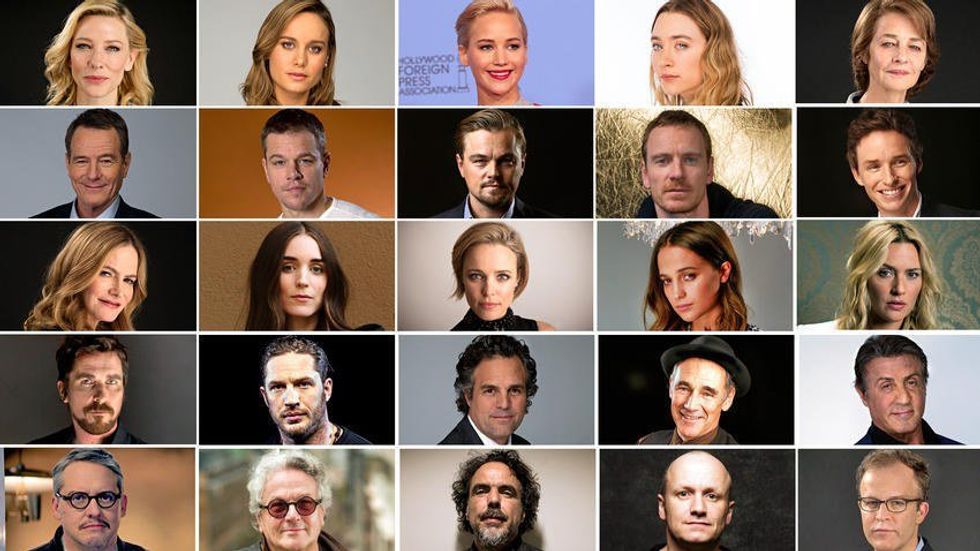
Racial tensions were high at this year's Oscars with a completely White-washed list of nominees. Chris Rock did not help to ease these tensions. Instead, his offensive joke promoted stereotypes of Asian people.
By joking about the stereotype of the "hardworking" Asian, Rock ignores the consequences of the model minority myth and the way this stereotype hurts both Asians and other minority groups.
Just because "hardworking" is a positive trait does not mean that it is good to spread stereotypes: generalizing any group of people is problematic and leads to identity issues.
Actress Constance Wu tweeted:
"To parade little kids on stage w/no speaking lines merely to be the butt of a racist joke is reductive & gross. Antithesis of progress."
People forget that the Asian American community is very diverse; it is not just made up of doctors and businessmen. Some are incredibly talented in the arts, even if only 5 percent of lead roles go to Asian actors.
Roughly Three-Quarters of Film Actors Were White in 2014
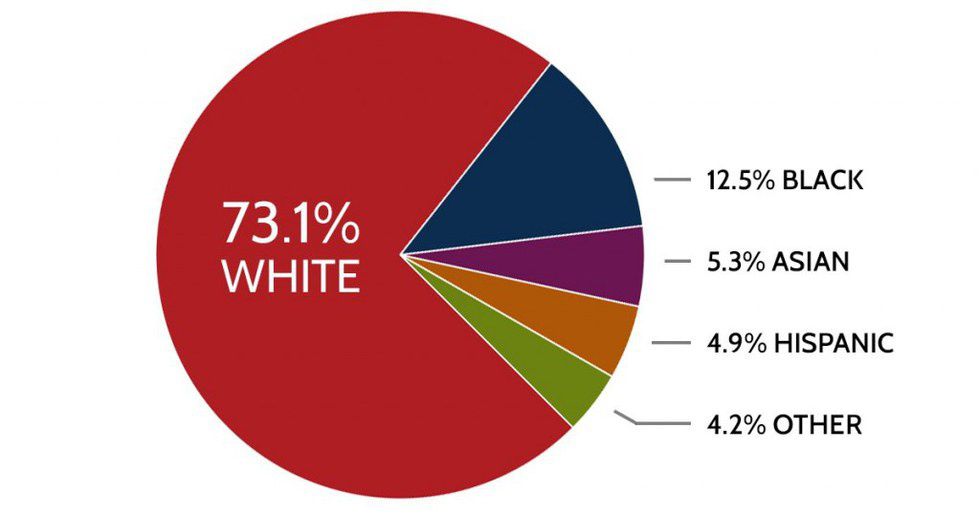
We cannot forget that White-washing casts of films is still extremely common today.
The Washington Post put together an eye-opening list of 100 Times A White Actor Played Someone Who Wasn't White. Wikipedia's list of films featuring White-washed roles also shines a light on the problem: not only is the #OscarsSoWhite, but films are so White.
With many actors of color boycotting the Oscars, it is important to remember that the Oscars, like so many aspects of American culture, are self-perpetuating: the academy nominates movies based on what movies have won in the past.
The Oscars may be so White, but that doesn't mean that art produced by minorities has less inherent value.
Our culture is built upon Colonialism, upon the idea that White people are superior, that White people are the heroes.
We read primarily White, male authors. We watch White films and TV shows. We tell White narratives centered around White characters.
There is nothing wrong with films with White casts, but there should not only be White films.
When a film does attempt to tell minority stories, it does so from a "grandiose" perspective: a disabled person overcoming adversity, a racially diverse team coming together to win the championship, or the minority underdog rising above despite fallbacks.
What does the academy value in a Black actor or actress? This video addresses that question:
The problem is that most of the time only White characters get to be people. Minority characters often become just another inspiring story, or simply a token minority that is only there to add diversity to the cast.
We need minority characters that are people, that are more than just the color of their skin. We need their race to be a part of them, but not the entirety of their character. We need multi-faceted lead roles for minority actors.
The only way to progress from a colonialist past is to remember that it happened and try to change our thinking in the present. So watch a film that doesn't have a white actor as the leading role. Pick up a book by a post-colonialist author like Chinua Achebe, Chris Abani, or Zadie Smith.
With shows like Aziz Ansari's "Master of None", ABC's "Fresh Off the Boat", and Kenya Barris' "Black-ish", we are beginning to see some progress. Minority characters are beginning to breathe. We just have to continue this trend in the world of film and in our culture as a whole.
















