
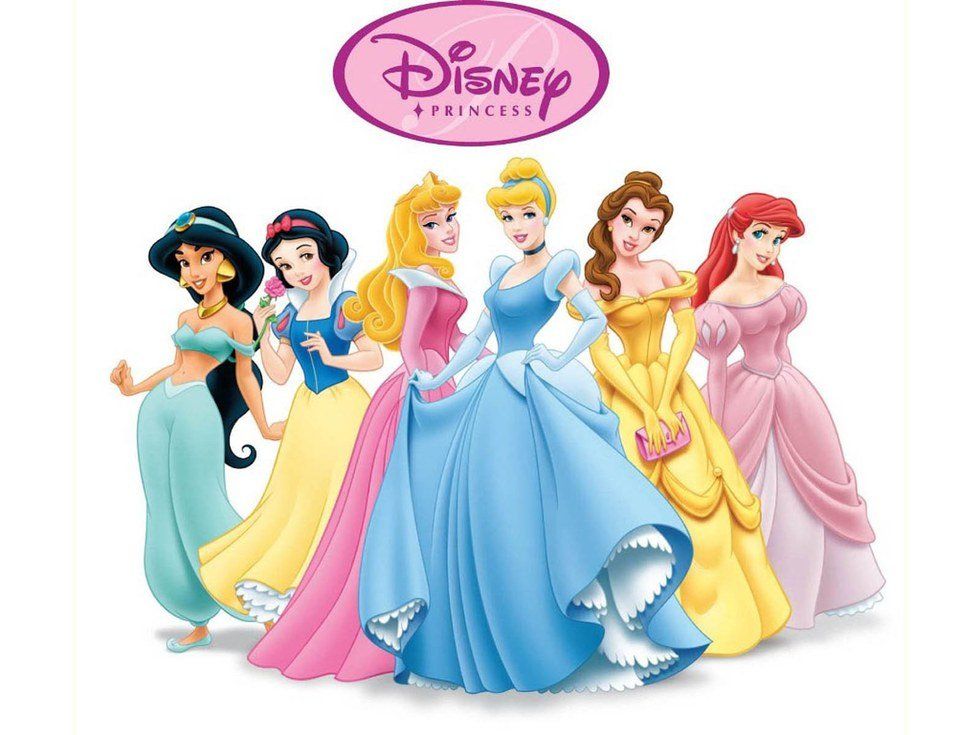
Parents and feminists alike are raising concerns about a possible negative effect that princess media will have on how young girls view themselves and the world around them. Many mothers fear that Disney philosophies of old will promote idealistic thinking within their daughters of "love at first sight" and that they "need a man to rescue them." It is clear through recent releases, however, that Disney's meaning of "happily ever after" is morphing along with modern feminist ideals, providing useful educational opportunities for parents and teachers to have conversations with children about media consumption. By exploring the evolution of Disney princesses, I have shaped an argument in favor of Disney's approach to feminism.
In 1937, when "Snow White" was released, the initial image of women embodied a nurturing and docile domesticity with Snow cleaning up after and cooking for the Seven Dwarfs. However, Disney has gradually shifted their image of women portraying characters like Princess Anna from Frozen who possess a fierce and independent spirit demonstrated by her selfless sacrifice. Disney has consistently matched their portrayals of women to the culture at the time of the creation of the princess. Early princesses flirted with the necessitated element of a prince to save the day and kiss to pronounce true love. Talking animals wished for dreams coming true, and a central concern over beauty, make up some of the initial themes of Disney princesses. Although each movie contains elements of momentary modernity, they ultimately ring true to the culture that created them.
In 2009, Disney introduced Tiana to the princess lineup. The first to begin to break from the old molds of princess characteristics; Tiana's journey to "princesshood" is marked by a difficult journey in life and hard work. The hard work theme of The Princess and the Frog takes up the gauntlet for cues for future princess heroines to create their own fairytale without settling for anything less. Quickly following Tiana, Rapunzel takes the stage with her trust frying pan. It is clear that her wit and spirit are unmatched by any princesses before as she takes on ruffians, thugs and an evil "mother." The movie displays a sharp contrast between the mushy "love" of first generation princesses and the loyalty love of family. With the roles of women increasing in society to a point of almost equality, Disney's newest blockbusters do well in their attempts to capture the essence of the futuristic woman of the past two decades.
Disney princesses serve as a reminder of how far feminism has come but, also, point to areas in which it can grow. Despite parental concerns over the long-term effects, there is no concrete evidence to support their fears. By supplementing Disney's philosophies with discussion and instruction, parents and teachers can teach their children to consume their world appropriately. Walt Disney said, "Our heritage and our ideals, our code and standards --are preserved or diminished by how freely we exchange ideas and feelings." A positive environment of continuous discussion will promote the growth of girls into women by advancing their critical worldview, bolstering their self-esteem and thus creating responsible consumers.