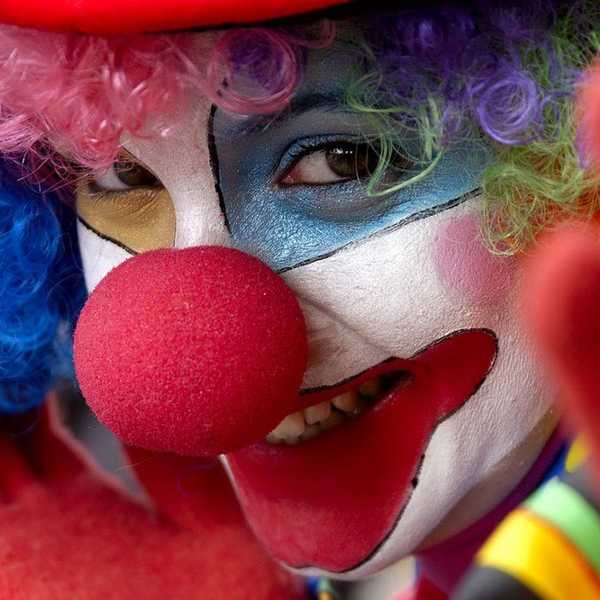
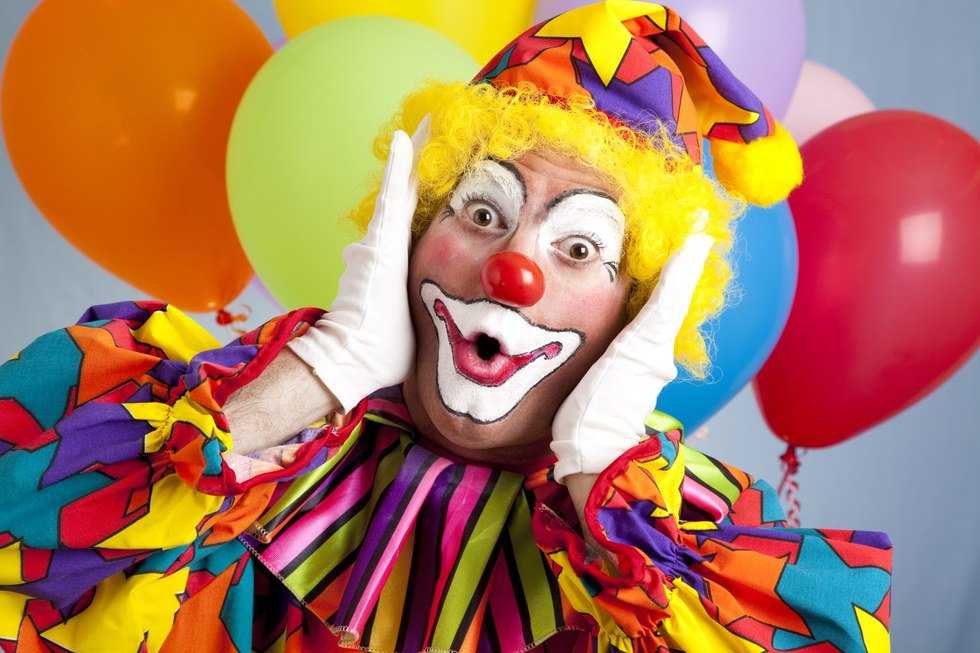
Clown hysteria has been taking the country by storm recently. It seems like every time you turn on the news there is a new clown sighting, often involving young children. These attacks have evoked fascination, fear, and numerous police calls since they started in August. Beginning in South Carolina, with reports that people dressed as clowns were luring kids into the woods, incidents have since proliferated in numerous states across the country, from Pennsylvania to Wisconsin (you can find a full list here). The situation has induced so much angst that it has been addressed at the White House.
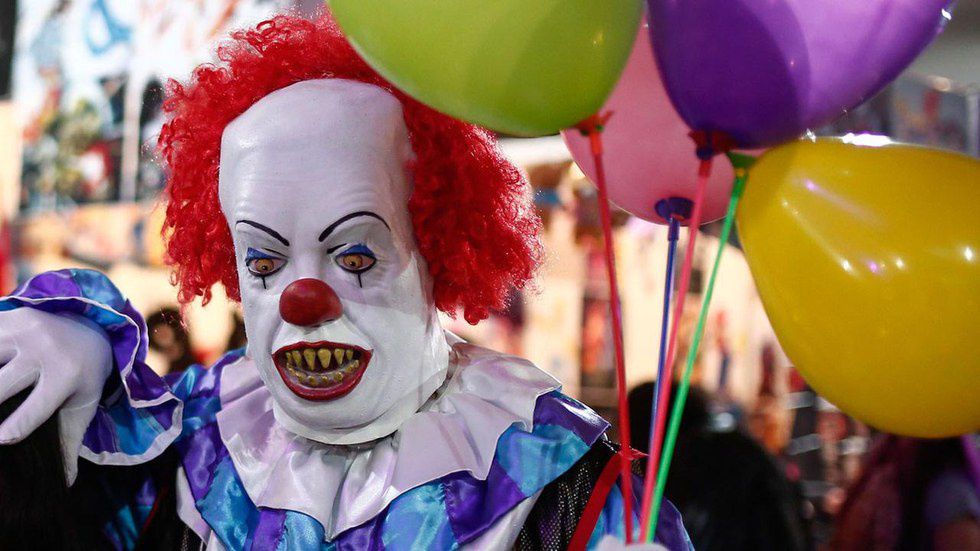
Is this a serious threat?
Not exactly. Although seeing a clown carrying a knife would scare almost anyone, these clowns are not doing anything beyond trying to scare people. While these pranksters are obviously jerks for doing this, at least they are not causing any violence so far; there have not been any reports of the clowns trying to injury or kill anyone. Furthermore, there have only been about 100 sightings so far, meaning that this movement is not as big as we might think. While there is no serious threat from these clowns, the experience of a clown popping out at you trying to frighten you intentionally can be traumatizing, especially for young children.
What are the consequences of the clown chaos?
These issues have evoked fear of clowns nationwide and children are most susceptible to this fear. Because clowns are so controversial these days, many school districts have banned all clown costumes for Halloween. Also, certain towns, like one right near my hometown, have cancelled trick-or-treating this year in anticipation of the clowns that are likely to be lurking and attempting to daunt trick or treaters. The clown hysteria has had a deep effect on the community of clown workers who are employed by funhouses or circuses. Many of these individuals feel threatened for their lives, as groups of clown hunters have been proliferating with more and more attacks. This fear has lead to the creation of a campaign called Clown Lives Matter.
What can we do to prevent and react to these events?
While this trend is likely to fade quickly after October 31st, there are still actions communities and individuals can take to help prevent these incidents. While dressing up as a clown is obviously not illegal, police departments could consider firmly stating that wearing a clown costume just to scare someone is prohibited and arrest people for doing so. Furthermore, parents should sit their kids down and talk to them about the possibility of seeing someone dressed up as a clown. If kids are aware of the issue and know that these clowns will likely do nothing to hurt them, they will be less likely to be traumatized.
Why are people so scared of clowns anyway?
First and foremost, clowns wear so much makeup that they seem inhumane which can be quite creepy. Furthermore, one of the scariest things about clowns for me is their air of unpredictability. Clowns can pull things out of their sleeves, make weird noises, and perform a variety of other actions that, while exhilarating to some, are scary to others. It also doesn’t help that clowns have been portrayed in books and movies as killers and characters who perform other evil acts.