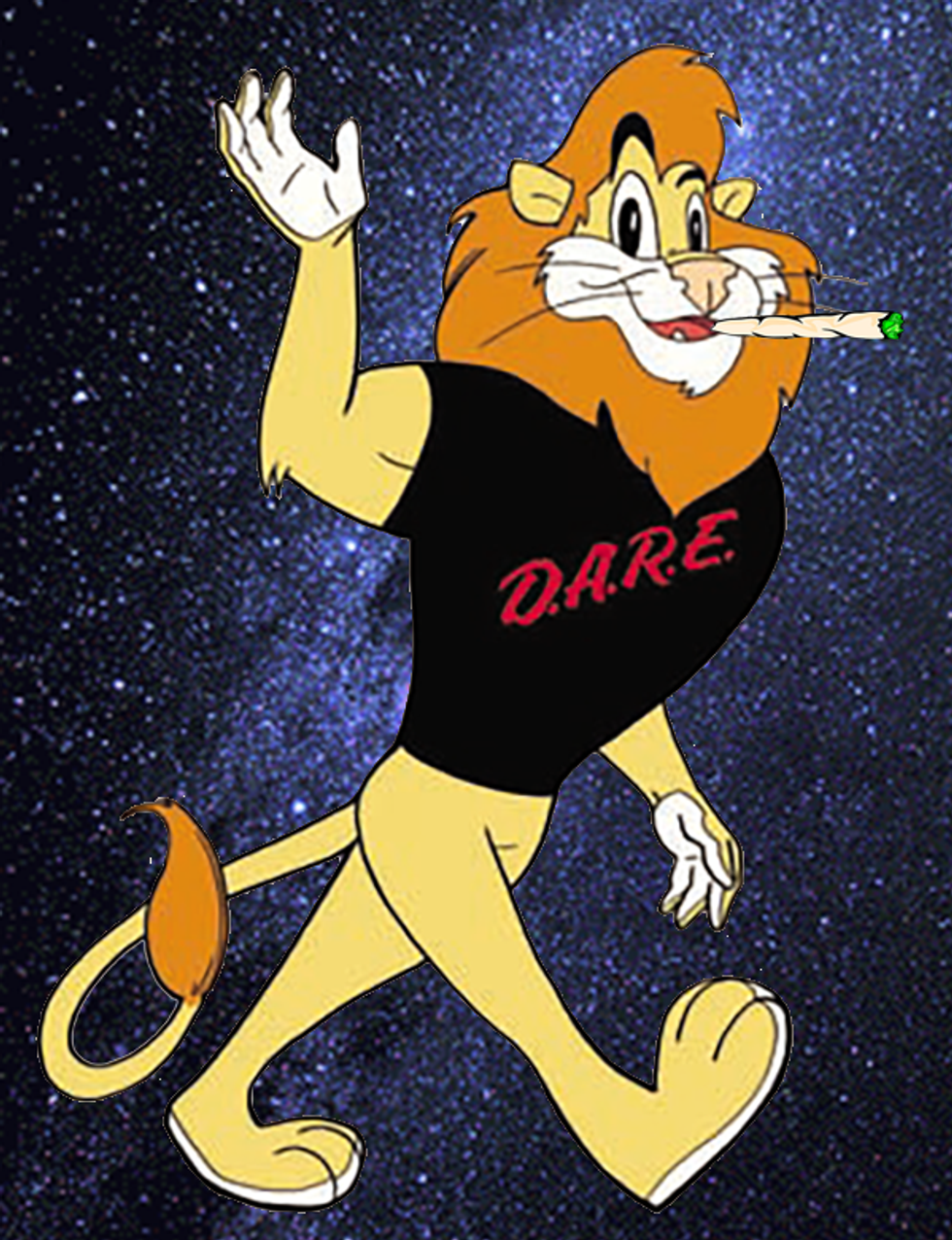
Established in 1983 by the Los Angeles Police Department, Drug Abuse Resistance Education (D.A.R.E.) is a substance abuse, gang, and violence resistance program. Since its formation, D.A.R.E. has been implemented in over 75 percent of U.S. school districts and 48 countries. I am sure many of us remember the process much too well:
A police officer comes into our classroom, talks about how they protect our community, and tells us not to do any drugs (especially not marijuana!) or join any gangs because then they would have to arrest us. For shock value, we would be shown pictures of blackened lungs then have a real one brought out as the officer warned, “If you smoke cigarettes, this is what will become of your body.” But further than what became of our bodies, what became of the program?
In 1998, D.A.R.E. lost federal funding due to various studies concluding its ineffectiveness and in 2001, Time Magazine ran a story titled “Just Say No to DARE” which stated that after 18 long years of denial, D.A.R.E. coordinators were finally admitting to defeat. According to Scientific American, reasons attributed to the program’s failure include lack of interaction between the instructor and the students, lack of touching upon social norms and a lack of time altogether. In fact, some studies show that D.A.R.E. had an adverse effect- students who faced the program were more likely to partake in substance abuse.
In suburban settings, maybe a police officer would be a viable candidate to honorably speak to a room full of students who most likely do not harbor any negative stigmas about the officer or his work. However, in a more underprivileged area, perhaps an officer would not be the most relatable or efficient option. On top of that, D.A.R.E. officers would only visit once a week or two for a few months; a sustainable and trusting connection was nearly impossible to make. And when spoken to about drugs, students were mostly fed the legal repercussions. The program should have emphasized the social consequences, not speak to a room full of 10 year olds about the various colors and hallucinations it was possible to experience when you are high off acid.
Whilst speaking to a contact, I asked about whether he remembered the D.A.R.E. program and if so, whether or not he found it to be effective. “Hell no,” he replied, “and none of these programs will ever work until they start going after medical drugs, those are what are most requested on the streets. Remember when roxys (Roxicodone) hit? Hell, xannies (Xanax) are still poppin! And all these drugs started off in hospitals being prescribed by doctors. Doctor to who and what? Doctor of death.”
But of course, personal responsibility on whether you do drugs or not is also a huge factor. Personally, I do not do drugs. Never have nor do I plan on starting. I am aware that often times if any of my peers are abusing substances, it is done in a state of hurt, if not recreation. There have been countless occasions where I have not wanted to feel anything and to for once have a clear head. I read, I wrote, I cried, I slept. These days I run. I constantly remind myself that I will be so successful, none of this will ever happen to those around me. I remind myself that I will be so successful I will not even remember any of this.
While the D.A.R.E. program may have missed its mark despite its intention, and substance abuse may be cheaper and more "fun" than therapy, whether or not you pop this or take a hit of that is ultimately a decision you yourself must make. Those affected or surrounded by substance abuse are encouraged to call SAMHSA’s (Substance Abuse and Mental Health Services Administration) toll free hotline at 1-800-662-HELP (4357). FAMU students are encouraged to stop by the on-campus clinic, Sunshine Manor, as well.