With classes a mere couple of weeks away, the pressure is on to start easing out of the pool that is summer relaxation and prepare to dive into that familiar, but nonetheless anxiety-inducing, ocean of urgency.
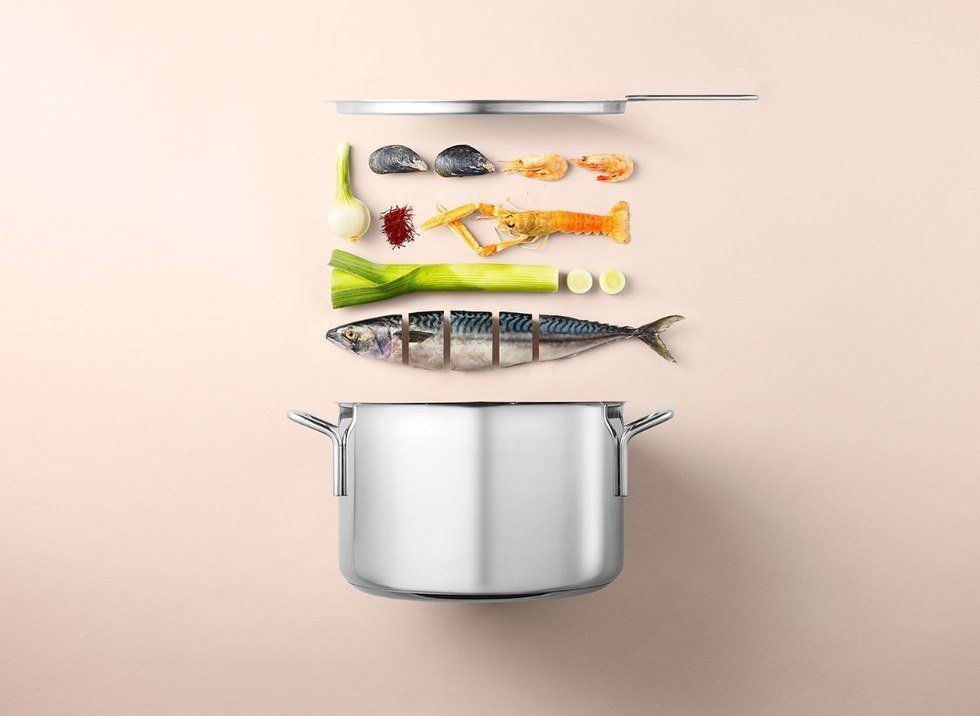
The path ahead is rocky, but don't fret-- I have just the pair of shoes to help you into the water. This technique comes straight from the kitchen: mise en place, meaning "everything put in its place." Referred to as the "meez" by chefs, this saying is typically used in culinary settings to denote the preparation of a meal before beginning the cooking process. This practice benefits amateurs and professionals alike by saving them time and stress in the kitchen.
In a recent study, however, psychologists found that this same concept could yield positive results in settings outside of the kitchen. After making slight adjustments to participants' environments, researchers noted drastic changes in the ways participants behaved in those situations. Studies such as this one show how the suggestive nature of one's environment can potentially set a person up for either failure or success by affecting the way that person carries him or herself.
While we don't often have the ability to control our surroundings, we do have power over the way we prepare ourselves before stepping into those surroundings. By following even a few of these suggestions, you will be able to see a change in the flow of your daily life.
1. Redecorate Your Space.
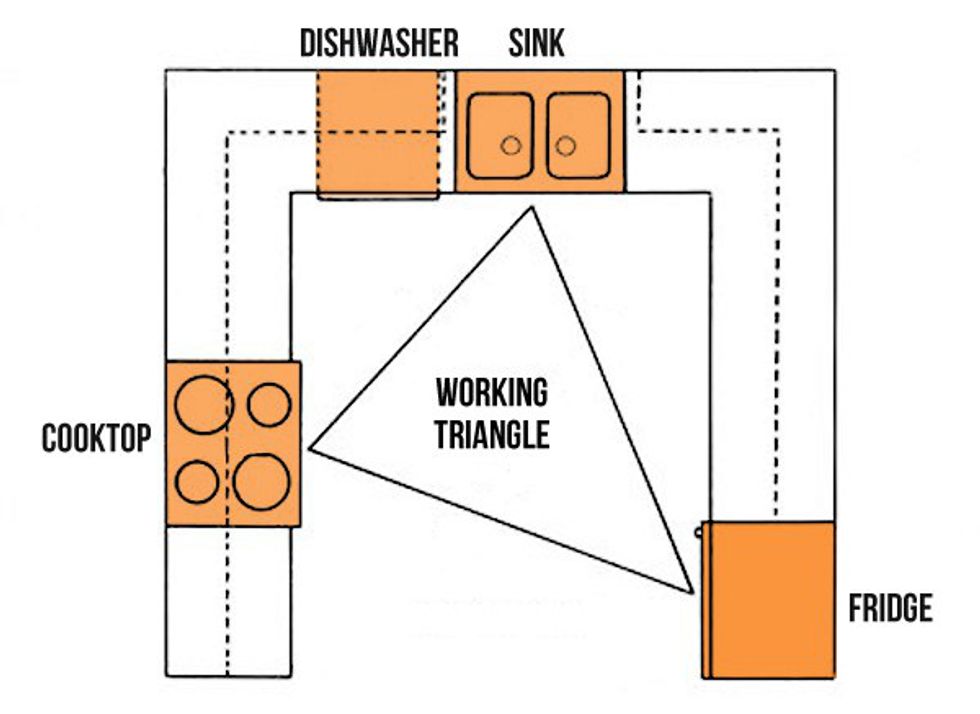
When designing efficient kitchens, interior designers will often utilize the "Kitchen Work Triangle," a layout that sets the stove, sink, and refrigerator at the corners of a triangle. There are both psychological and practice-based reasons as to why this format works. Both the mind and body see space and clarity, thus allowing for whomever is in the kitchen to move about freely while being focused enough to think ahead of whatever recipe they're following.
While no universal blueprint for a successful space actually exists, you can tailor a design for your room/dorm/apartment/yurt/van/etc. that best fulfills the purpose you want that space to serve. A simple change, such as rearranging the books on your shelves, can influence the way your thought processes form and develop-- be they efficient, peaceful or creative thought processes.
Bigger changes, such as rearranging furniture in your room, can influence the order and efficiency with which you accomplish tasks. Similar to traffic guards directing the flow of movement, you can organize your space in a way that facilitates activity in a certain part of a room over the other. The key to your redesign being successful is taking the time to decide what purpose you want each room or portion of the room to serve before making these changes.
2. Clean Up.
Growing up, cooking shows had a very structured display to them. Chefs, tasked with the job of cooking beautiful meals while entertaining audiences, would practically frolic across their small countertops-- reaching over to toss one small bowl of greens into a larger bowl of yellows which they would then whisk while tossing in a miniature bowl of reds. None of it made sense and yet you knew it was all part of the chef's plan. One of the reasons why chefs are able to create masterpieces in mere minutes is because they practice mise-en-place.
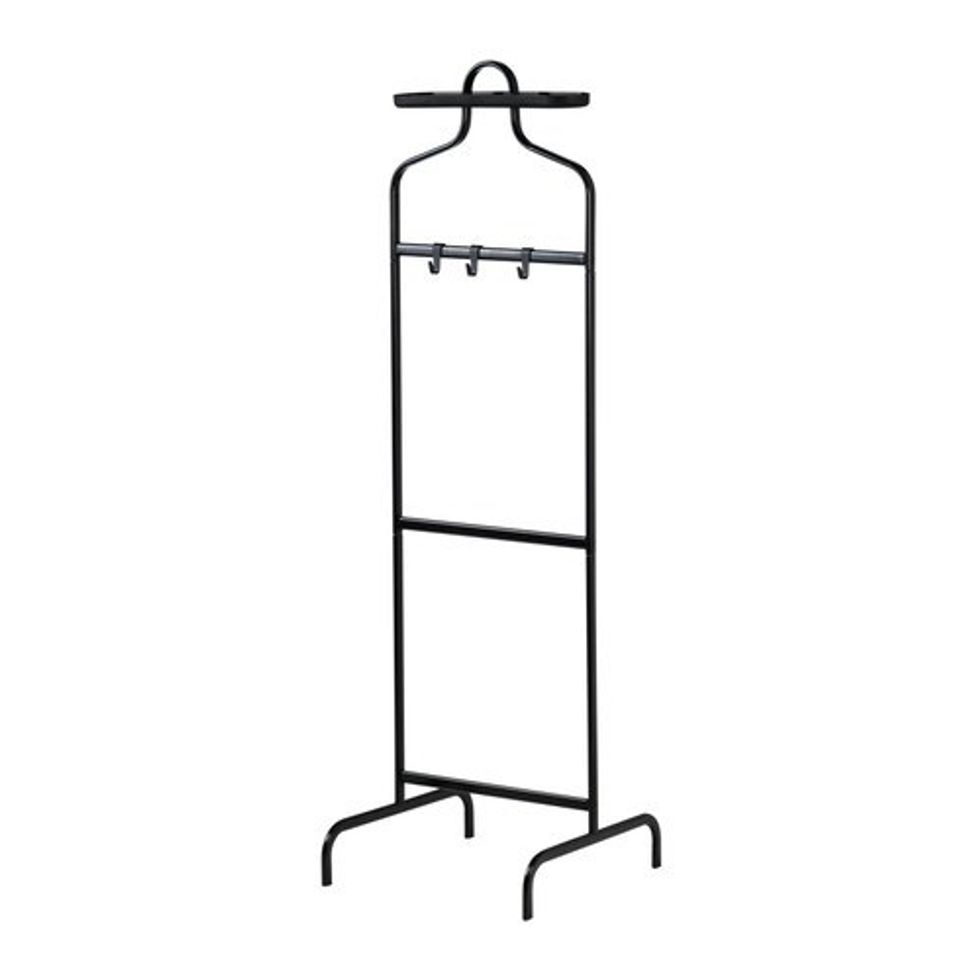
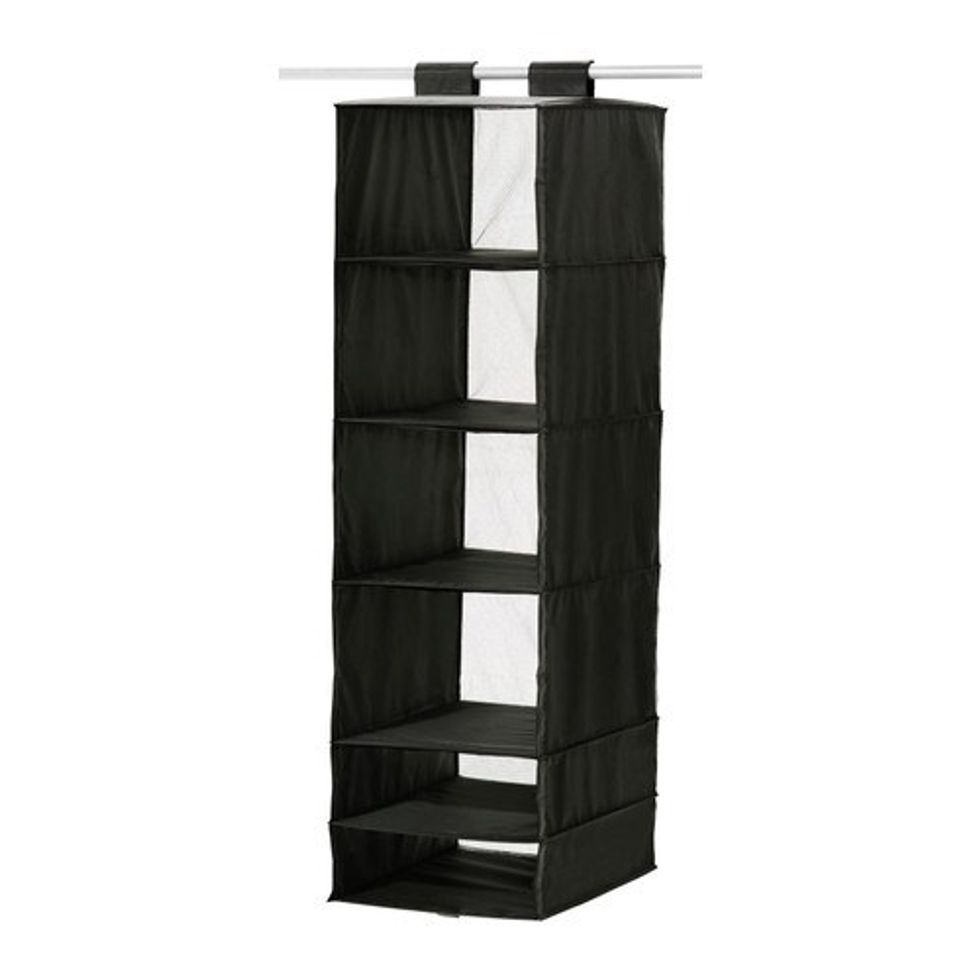
Right at the heart of mise-en-place is preparation. With preparation, comes organization. Taking time the night before to lay out your outfit, pack your lunch, and/or organize toiletries in the order in which you use them can help you save time the next morning. Already do all of this? Great! Time to amp it up-- instead of a single day, try preparing for the entire week! Meal prepping and organizing your outfits-per-day into cabinets such as the ones above are just a couple of methods you can add to your weekly routine to ease the flow of your days.
3. Sleep Well.
Now that you've gotten your room in order and have your outfit and meal prepared for tomorrow, you must be wondering "now what?" Well, now... we sleep. It seems simple, but it turns out that a lot of us aren't doing it properly. A study by Brigham and Women's Hospital showed that using your phone or any electronic that emits blue light tricks the mind into thinking it's daytime. As a result, using these devices (especially in the evening) suppresses the production of melatonin in the body-- a chemical released to induce sleepiness. To many, students in particular, a lack of sleepiness may sound enticing. However, while melatonin does induce sleepiness, it also promotes more restful sleep ergo more energetic mornings.
The immediate effects of melatonin-rich sleeps are amazing: besides feeling restored every day, you'll also find yourself feeling more alert and spending less time trying to fall asleep. The long term benefits are even better: increased melatonin levels mean you're less likely to develop breast, colorectal and/or prostate cancer.
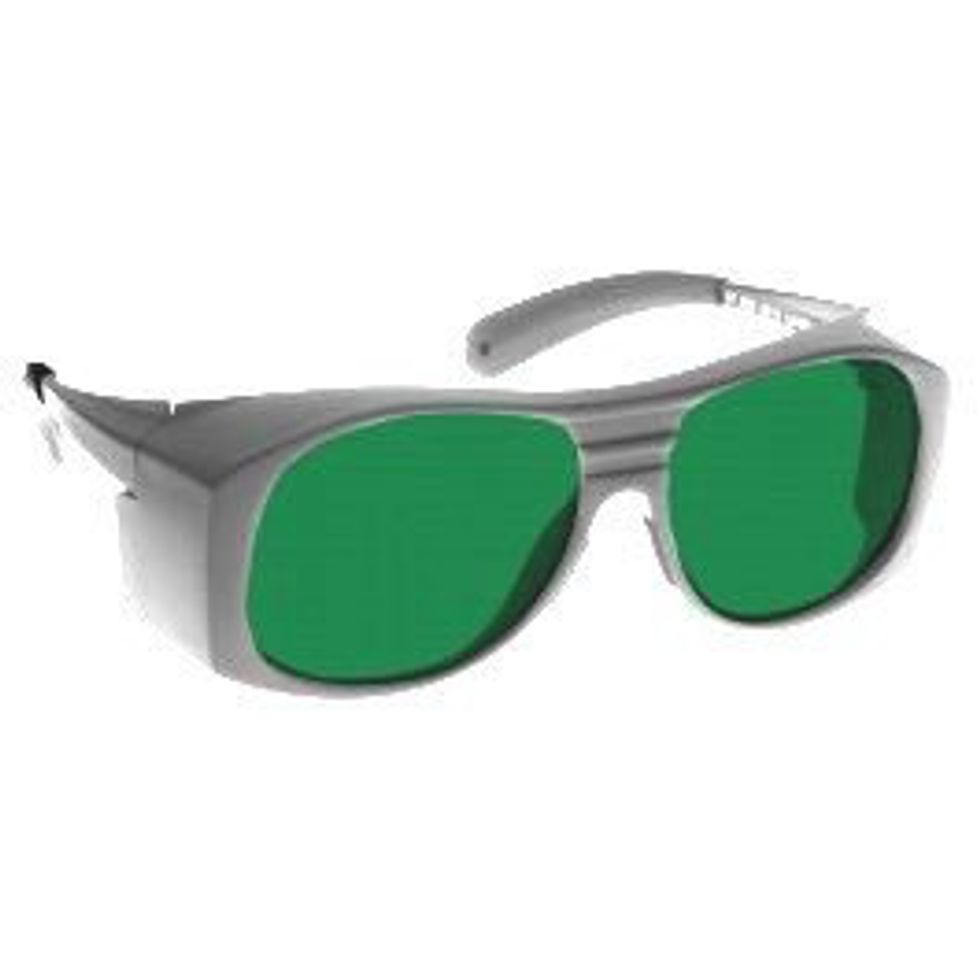
Considering how big of a role electronics play in daily life, I'm not about to tell you to shut everything off the second the sun goes down. However, being more mindful of how much time you spend looking at electronics at night could help ease your adoption of paper-based evenings. If that still isn't convincing enough, devices offer time-dependent settings that change the display on the screen from blue light to orange light. On the iPhone, this can be done by setting up the Night Mode lighting. Alternatively, researchers at Fredonia University are producing "melatonin onset eyewear" such as the one below that are just as, if not more, beneficial than night-mode settings on devices.
Want to read up on more applications of mise en place to daily life? Check out chef Dan Chanas' self-help book "Work Clean: The life-changing power of mise-en-place to organize your life, work and mind." And remember this semester, while you're out wading through rough waters, that even the subtlest of changes can have the greatest impacts.