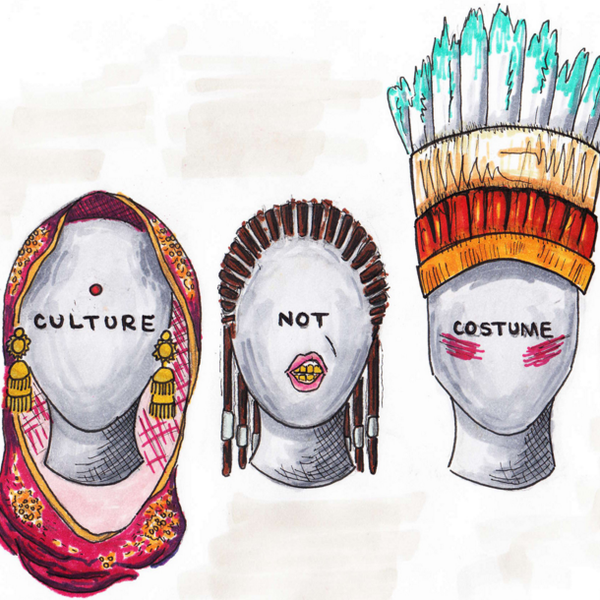

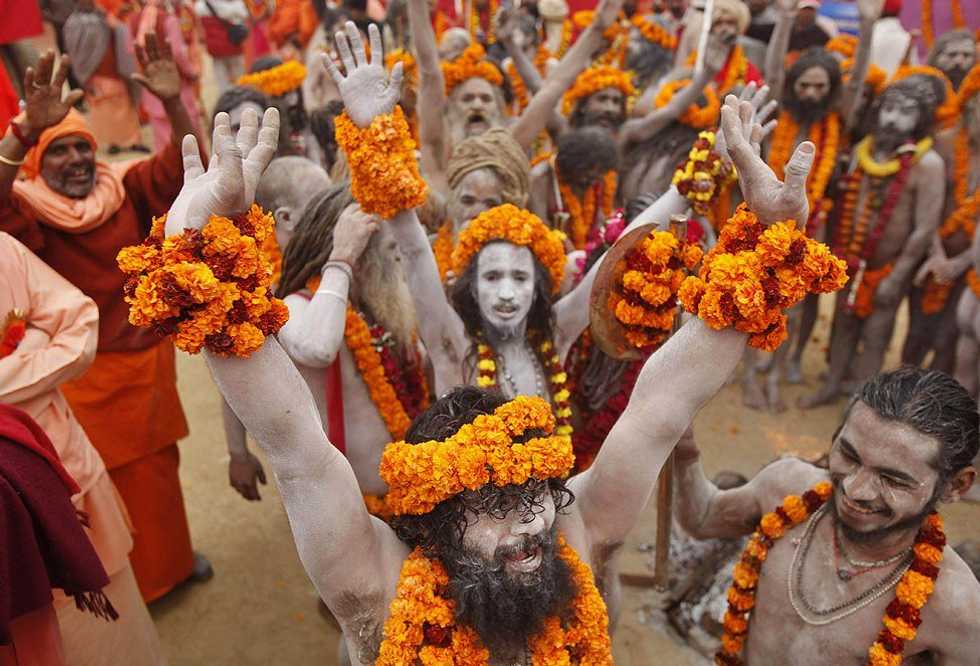
Culture is a term we hear used from time to time, and we are aware of many aspects of our own culture, like styles of clothing, music, and expressions of language, but most of us probably don't know just how much it affects how we see the world and how it influences our trains of thought. Culture, as defined by the Merriam-Webster Dictionary is "The beliefs, customs, arts, etc., of a particular society, group, place, or time: a particular society that has its own beliefs, ways of life, art, etc.: a way of thinking, behaving, or working that exists in a place or organization (such as a business)" (2016). The key word in this definition is "Society" as culture cannot exist in a single individual and relies on social interaction to construct and maintain. Now seeing as interaction is so crucial to what makes up culture, one may ask how exactly do cultures interact and differentiate with each other? Here in lies one of if not the most visible signs of just how much your culture conditions you. Its called ethnocentrism. Ethnocentrism is considered as "judging other cultures by the standards of your own, which you believe to be superior." From weddings and funerals to gender norms and non-verbal communication, various cultures across space and time have done things differently, showing us there is no one universally correct way to do things. But because of the differences between our own culture and another, we more often than not have a negative reaction.
We see this a lot when we look at customs of other cultures, both far and wide and respond with bewilderment or disgust. For example, the Amazonian Satere-Mawe tribe of Brazil possesses an initiation rite involving hundreds of bullet ants that most Americans would consider inhumane. Boys within the tribe must wear gloves filled with hundreds of bullet ants on their hands for ten minutes without crying and must retry if they fail until they succeed. These ants deliver the most painful sting in the world as measured Schmidt Sting Pain Index. They must pass this initiation in order to be considered a man. I'm sure that many would say that this is a cruel form of child abuse masquerading as a cultural practice, (There's the ethnocentrism for you) but the rite actually has a very practical purpose. The ritual helps the boys to build up a natural resistance to the venom of the bullet ants. Think about it: the boys are being exposed to the venom in a controlled environment with elders and resources on hand. If they fell into an ant hill in the wild and lacked such a resistance to the venom you would not only suffer severe pain but also extreme muscle spasms and paralysis as the venom interfered with nerve signals. Not only would this be very dangerous far from aid but potentially fatal in the right circumstances like an encounter with a predator or during a natural disaster. The rite allows men within the tribe to develop a natural resistance to the venom as well as to the pain it delivers.
Even though its important to understand the customs of others to gain an appreciation of them and to understand that there isn't just one way to do things, this doesn't mean you have to accept all cultural standards as different yet equal. There are many traditions which have almost universally been recognized for how dangerous they are and how much damage they do. A great example of this is the custom of female genital mutilation. "Female genital mutilation (FGM) comprises all procedures that involve partial or total removal of the external female genitalia, or other injury to the female genital organs for non-medical reasons." It is currently practiced in at least thirty countries in Africa, Asia, and the Middle East. Many organizations are working to end this practice, quite understandably. Its an example of a practice that holds no beneficial purpose and while understanding the cultural relevance of it may help us appreciate the culture itself, it does not make the act seem any less heinous.
The moral of this comparison of examples is that you should do your research before you start pointing fingers and making claims about the practices, norms and traditions of others but also that you don't have to like or condone them. Also, this critical perspective can prove quite useful when addressing norms within your own culture that you may have never questioned or looked into before. And remember that with a greater realization of ethnocentrism, you begin to see just how prevalent it is in our lives. We often broadly judge those who are different than us culturally when that person is simply acting as their culture conditioned them. They can't help where and when they were brought into the world. Seeing as the United States is the great melting pot, we need to be aware of our own biases and be more patient and accepting of those of different traditions. The many customs and cultures of the Earth hold great beauty and can teach us much about our own cultures as well as humanity as a whole. You simply need to approach them with a keen eye and the right state of mind.
http://www.scilogs.com/from_the_lab_bench/the-wors...