It's that very special time of year again, when we pack our cars or suitcases, make our way to college, and settle in to our new classes. And yes, it's time for a whole 'nother round of textbooks. As a junior English major, I've purchased, rented, borrowed, and photocopied my fair share of books required for classes. Here are some hacks I've learned to minimize the damage on your wallet as you get ready for another semester and another pile of books.
- Get organized: make a list of all the books you need for various classes. You can usually take these straight from a syllabus online, making it easier to ensure that you're looking up the correct book. Many professors will provide an ISBN number, which is unique to each version or edition of a book so you can make sure to get exactly the book you're supposed to.
- Don't buy: I would never tell a student to forgo textbooks entirely, but it would be silly not to figure out if you can use them for free. Ask if there will be a copy on hold at your school's library; checkout is usually only for a few hours, so no one student can monopolize the book all semester. Many colleges have a book sharing network set up with other colleges. For books like novels or non-fiction, it's very likely you can simply request a book and borrow it for free. Newberry College's network is called Pascal, and any librarian can help you take advantage of it.
- The internet's hidden wonders: many textbooks have been put online in PDF form, and a strategic Google search can uncover them. Try searching for the title of your book, followed by "pdf" and you might just find the entire thing in a document for free. Additionally, purchasing an e-book means you'll receive it right away when you're in a bind, and can seriously cut costs as well.
- Sharing is caring: split the cost with a classmate, and you'll have a built in study group as well as a lower price tag. It's also a great idea to check with older friends to see if they're taken a class and still have their books. Many don't mind handing them off for free, or at least taking a serious price cut just to get rid of them.
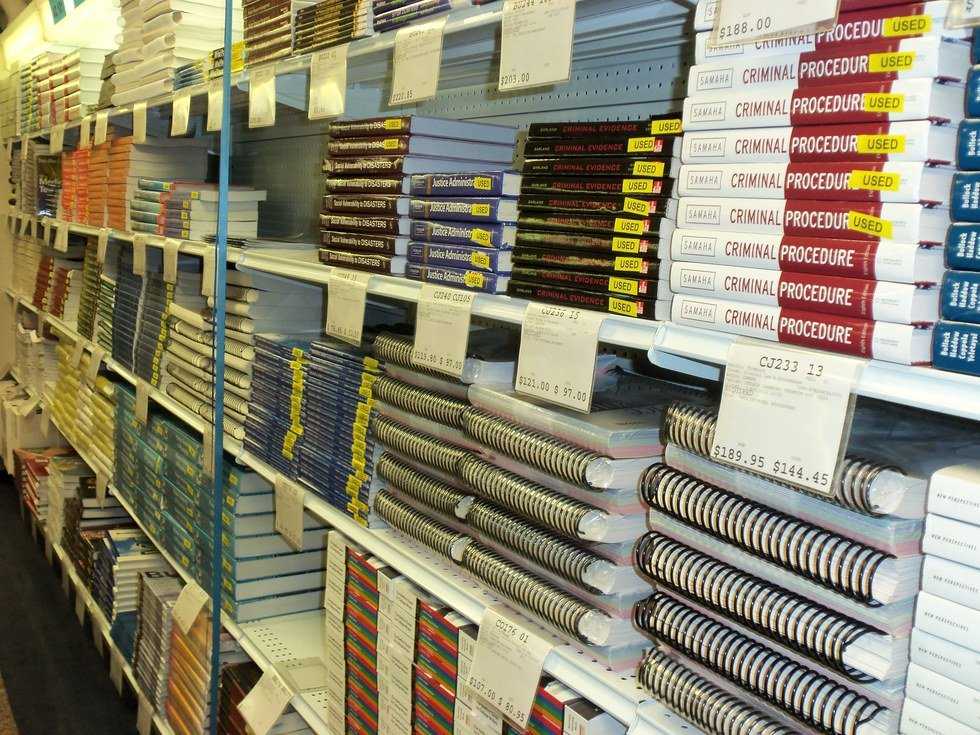
- Check the bookstore: while campus bookstores are notorious for ripping off students, they provide a great place to start from. Many bookstores let you price check on their website so you can get a worst-case scenario of what your books could cost. Here's a link to Newberry's online textbook list. Double-check with your professors though, as sometimes books will be listed online that aren't actually required.
- Back to the internet: there are tons of textbook sites that offer options such as rentals and used books, and some that have great deals for students.
http://www.amazon.com/ has a six month trial of Prime for college students, which will give you free two-day shipping on many books.
http://www.bookfinder.com/, http://www.cheapestbookprice.com/, and http://www.allbookstores.com/ automatically compare many different book sites, showing you the cheapest options from different book sellers like Amazon, Barnes & Noble, and many others.
http://www.valorebooks.com/, http://www.alibris.com/, and https://www.abebooks.com/ all work with smaller independent bookstores to offer books. You purchase from them, and the order is passed on to the seller who ships it to you. http://www.biblio.com/ does the same thing, but specializes in less common books.
Other sites such as http://www.chegg.com/ and http://www.ecampus.com/ primarily provide rentals, allowing you to turn your book back in when you're finished. An added perk is usually free shipping.
This semester, don't act like a first-year freshman and drop all your hard-earned summer cash at the bookstore. Be smart, shop around, and definitely DO NOT buy that Norton Anthology for $89.00 from the nice lady who swears it's a fair price.