
The 2016 Summer Olympics in Rio de Janeiro, Brazil has begun. The August 5 opening ceremony officially launched the games, which consists of 206 participating countries, two independent teams, 11,178 athletes, 306 events, 42 sports and 37 venues.
Brazil is a country rich in culture, diversity, tradition, nature, music, etc. All of these elements were clearly portrayed throughout the mesmerizing opening ceremony. However, in the midst of the beauty lies controversy.
Brazil is a beautiful country when it comes to nature and culture. However, in terms of socioeconomic status and wealth, Brazil is in desperate need. The country consists primarily of people either in poverty or below the poverty line with minimal exceptions to some rich. With that being said, people, especially families, have a hard time earning just enough in order to cover the basic necessities. One of the biggest issues and concerns for the country, aside from economic instability, is the number of homeless children living in poverty, without access to proper education, housing and healthcare. Due to this problem, more than enough children turn to the streets where drugs, crime and prostitution become their way of life.
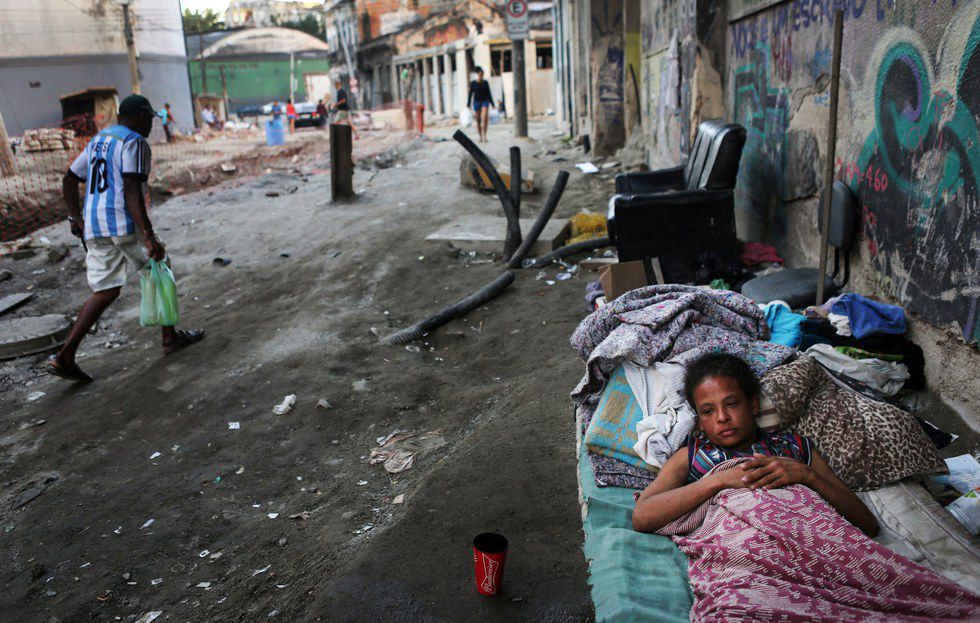
Despite these everyday problems that exist within Brazil on a daily basis, the additive stress of hosting the 2016 Games, as well as the last World Cup, the country is in desperate need of stability. In fact, the country was so bad at the beginning of summer that in June, the Rio government declared a state of calamity and that emergency actions would need to take place to save Rio from a total collapse in public safety, health, education, transport and environmental management.

However, June was just the start to the problems. Other problems include many cases of the Zika Virus, which caused many people to avoid going to the Games, the fear of an unfinished Olympic village, including contaminated waters, as well as trouble dealing with the large amount of crowds and tourists entering the city all at once.
But the biggest problem is economically and financially. The amount of money Brazil spent as host of the Olympic Games (as well as the additive costs of hosting the World Cup), has put the country in crisis leading to many protests.
Here is the breakdown:
Between 2009 and 2015, 22,059 families were removed from Rio, 120 of them for Olympic reasons.
An estimated $780 million on Zika Virus.
$2.8 billion in subway expansion.
Approximately $20 billion for the Olympic Games total.
($15 billion for the FIFA World Cup)
Let that sink in.
The amount of money that has been invested in spending for the Olympic Games and the World Cup has jeopardized the country's financial stability and growth. Since the construction for these two events, unemployment is at a record high, as well as the poverty level, law enforcement is being underpaid, crime is higher, healthcare is less adequate and the overall society is falling due to frustration and anger.
The native people of Brazil, particularly in Rio de Janeiro, feel betrayed by the government. How could a government mistreat and jeopardize their own people like they have? Why would they continue to go on with the Games when they realized early on that it would be too much financial stress on the country? Why should the people have to suffer a lifetime in order to host Games that last for nearly three weeks?
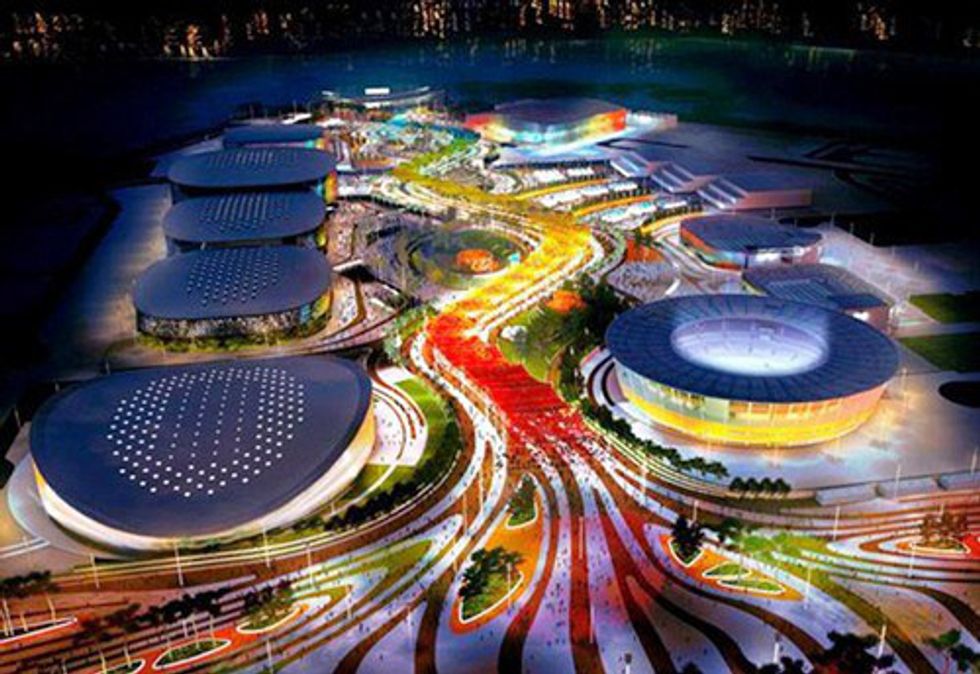
Although the Games may look peachy on the outside, severe underlying problems lie within.
Yes, the country is proud to host the first South American Olympic Games, but is the amount of trouble facing Brazil as a whole worth the short term glory?