I smoothed down the fly-aways sticking out of my high ponytail as I stared blankly at myself in the mirror. Memory card, check. Battery, check. Wallet, check. Phone, 30 percent, but there’s no time for charging it now. Keys, check. I grabbed my phone, headed out the door, and sent my friend Cece a text before swiping into the Prince Street subway station. Heading over, be there in 25 tops.
After 15 minutes of power-walking, I stood outside Terminal 5 on Manhattan’s west side and watched my breath linger in the air. Among the preteens, black beanies, and white Vans I spotted Cece.
Under 21? I stuck both of my hands out to meet the cold tip of the bouncer’s sharpie. I was stopped and questioned about my camera, so I explained. I’m here as press and I have a photo pass at the box office. I can come back out and show you to confirm if you’d like. The bouncer looked me up and down before reluctantly letting me through to the box office. I slid my ID in the little half-circle opening at the base of the Plexiglas and was handed an envelope with two tickets and a bright blue sticker.
Breathing in the thick, beer-scented air and following the muffled sounds of a bass line, Cece and I made our way into the abyss.
I can't believe this is happening.
Can we take a picture over there?
I think there's, like, a little light over there by the bar.
Do you want to use my phone or yours?
We screamed over the opening band’s loud music and fumbled with Snapchat at the back of the venue. Giddy with excitement and filled with nervous energy, I made my way to the photo pit and sat on the little seats just an arm's length away from the stage. Soon enough, Terminal 5 went dark and screams from front-row fangirls erupted just inches away from my head.
For three full songs, I didn’t take my eye away from my viewfinder. There was no room for mistakes. I studied the movements of the lead singer as he swayed back and forth to the swelling of the chorus. Around me, other photographers edged in and out, ducking under elbows and camera straps. The third song was finished in what seemed like mere seconds since the first one started.
-----------------------
Last year I went to 15 concerts without paying a dime. Although it’s tempting to focus on the “free” aspect of that statement, I’m here to tell you how and why I was able to do such a thing. If you’re interested and serious about music, writing, photography, or all of the above, you might want to start taking notes.
1. The Search
You can jump into getting press passes for concerts as a freelancer, but it’s much easier to do so if you’re affiliated with an online or print publication. In my case, that was Odyssey. Search up shows that are happening no sooner than three days and no later than two weeks. It’s hard for management to coordinate people who email for press passes too late and press passes too early. In my opinion, the magic number of days to send an email before a set date is six. This timing is key. Once you’ve found your concert, look up the press contact for the band. I usually find this information in the “About” tab of the band’s Facebook page, but you can most definitely find this on official websites as well. Remember, smaller bands are easier, especially if you’re just starting out with covering concerts. Once you have your band, show date, and press contact email you’re ready for the next step.
2. The Email
In the subject line, put the name of the band and the date and location that they’re playing. For example: “Imagine Dragons @ Terminal 5 6/12/16.” Address the press contact and proceed to write about a paragraph-long email. You should state who you are, who/what you’re writing for, and where the story will be published. Don’t forget to nicely request a press pass for the concert (double check dates!) and if you want to also shoot in the photo pit, then request a photo pass as well. A press pass is essentially a ticket, and a photo pass is an additional sticker you get that allows you access into the photo pit for the first three songs of the band that you’re requesting to cover. Finally, send along any previous work or a portfolio if you have any of that. If not, don’t sweat it. Everyone has to start somewhere. Be polite and concise in your email.
3. The Wait
When I first started I would get maybe one or two emails back for every 10 emails that I sent out. Then, of the few responses I would get, there was always a high chance of the press contact saying “sorry, we’re full on press right now” or “the photo pit is full.” Be patient and make sure that every email you send out is one with a professional tone. Don’t push press contacts and definitely don’t beg for anything. Although it may seem impossible to break into it, I assure you that there most definitely will be that one press contact that gives you a green light.
4. The Breakthrough
You’ve got the email! The press contact says that they will give you a press pass and a photo pass. Pat yourself on the back and make sure to send back a follow-up email with thanks and confirmation. Mark your calendar and get excited.
5. The Prep and Arrival
Dress comfortably, make sure your camera is charged and loaded up with an SD card that isn’t almost full, and don’t forget your ID. When you retrieve your ticket and pass at the box office, the first thing they’ll ask for is your ID. Arrive no later than 15 minutes before your artist’s set time. I recommend showing up as early as possible because sometimes photo pit passes aren’t restricted to one artist and you can have the chance to shoot the opener. While you can’t write something on that opener, it’ll help you adjust your settings to the lighting of the venue and serve as good additions for your photo portfolio. Some of the best photos I’ve taken have been for bands that I didn’t even request to cover.
6. Photo Pit Etiquette
You are only allowed to wait in the photo pit no more than 10 minutes before the set begins. Once you’re waiting in the photo pit, keep your belongings neatly organized in one spot. Photographers are only allowed to shoot the first three songs of the artist’s set. Keep your elbows close to your body and your camera close to your body. Everybody hates the one photographer that decides to hold their camera out with an extended arm, which blocks everyone’s shot. Before moving and before choosing a new spot at the base of the stage, check behind you to see if you’re blocking somebody else’s shot. When three songs are up, leave the photo pit and go to the back of the venue and work your way towards the stage from there if you want to party in the mosh pit. Pro tip: Try and take a picture of the set list so that you can refer to songs that were played when you write up your article!
7. The Edit and Write-up
Once you’ve edited your photos and written your piece, send the live article to the press contact and be sure to thank them. Make sure your article is well researched, accurate, and mentions the artist’s future releases, places to buy their music, and links to relevant videos and content. Remember that in exchange for that concert ticket and photo pass, you’re expected to deliver professional work that garners publicity for the band.
8. Things to Remember
Always be professional, on time, respectful, and humble. Doing press for bands and artists is a lot of fun, but it’s most important to understand that the press contacts are trusting you to deliver with good photos and solid written reviews in exchange for those free tickets. Consistently producing outstanding work will get you noticed. I’ve been lucky enough to cover the 1975, Cold War Kids, BORNS, Misterwives, New Politics, and X Ambassadors just to name a few. When press contacts feel that they can rely on you for quality reviews, the emails from press contacts at RCA, Columbia, and even Interscope will start coming straight to your inbox. Don’t forget to have fun and bring earplugs if you want to avoid blown-out eardrums.
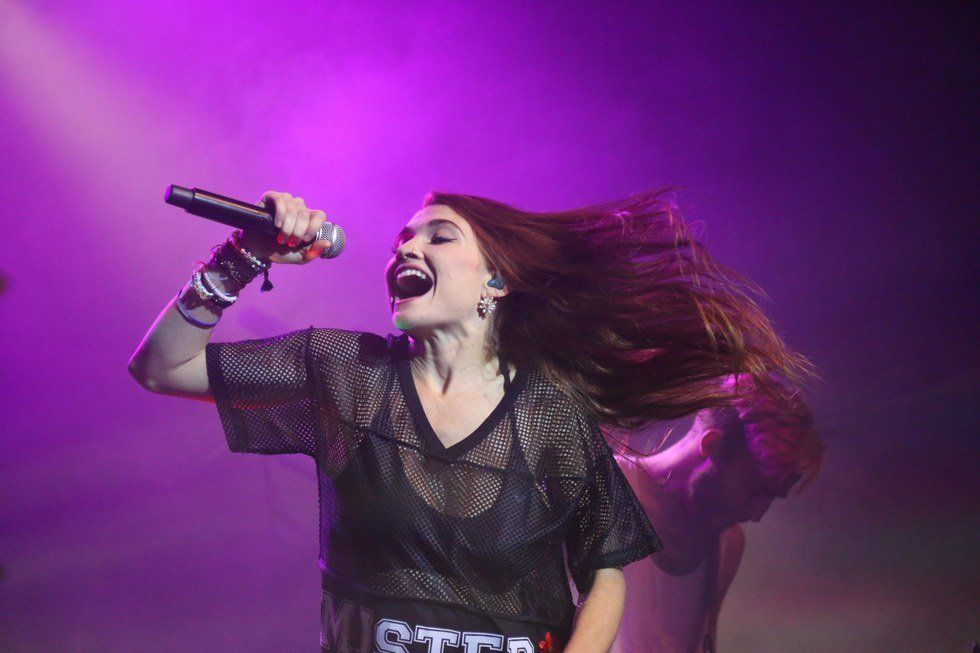
Here are some of the photos and articles I've done this past year.