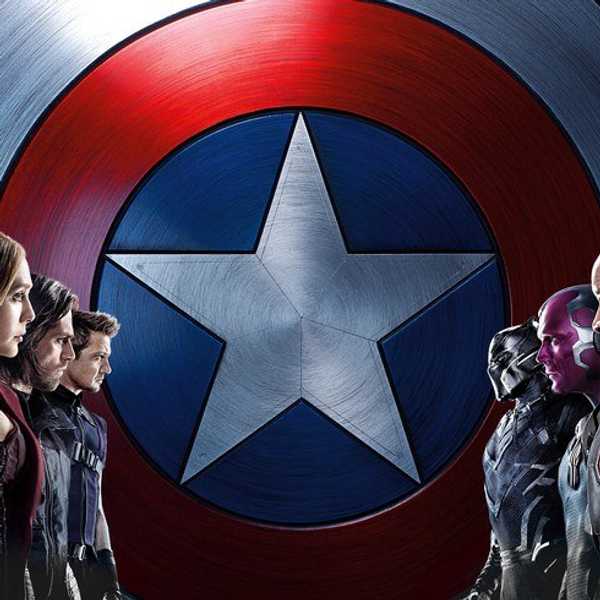
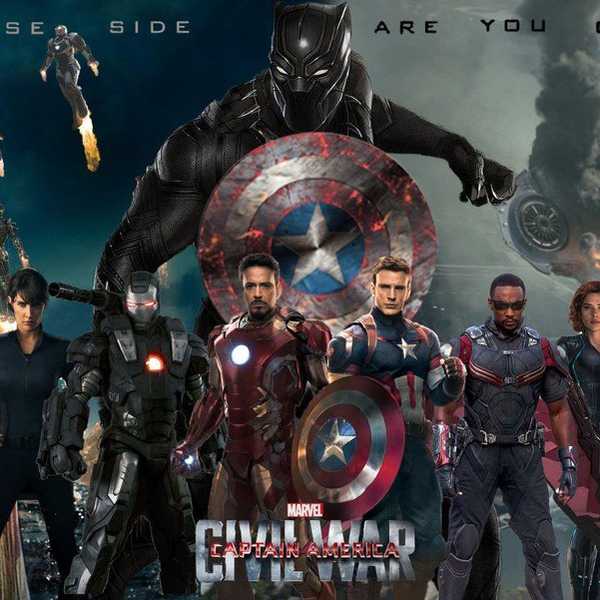
As I watched Captain America: Civil War for the 5th time, it dawned on me. The obvious was in front of me the whole time. The civil war from where the movie gets its namesake is not only between the Avengers themselves. It is also reflective of a more general struggle between the concept of sovereignty in the Westphalian sense and a more globalized form of accountable governance. Captain America- rather transparently- represents American arrogance as James Rhodes played by Don Cheadle remarked. Steve Rogers is reluctant to have an international civilian check on the Avenger’s ability to operate independently. This after the world grows increasingly concerned of the destruction caused by “enhanced individuals” and their battles. The solution: an international agreement bringing in The Avengers within a UN panel’s authority. While Ironman and most of the team agree that a check on their collective power is needed, Cap stubbornly sticks to his position. “If we sign this, we surrender our right to choose…”

This is similar to the argument that the Bush administration most recently put forth in the last decade. The Bush Doctrine states that the United States was/is obligated to take unilateral action whenever it deems it necessary, irrespective of international consensus or allies. Captain Steve Rogers displays American exceptionalism at its core, choosing instead to distrust international institutions on the basis that they could have “an agenda” as he stated. He believed-- like most red-blooded Americans do-- that the best hands to trust are your own, and that only the USA (or the Avengers in this case) is responsible and moral enough to be entrusted with policing the world.
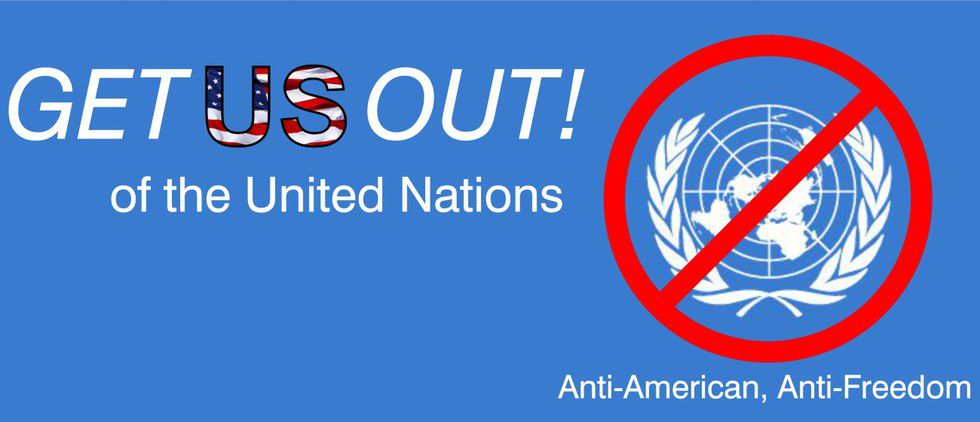
Since the United States stepped onto the international scene after the Spanish-American War, the country has tried to strike a balance between isolationism, and embracing its role as the globe’s preeminent power. Often times the two trends have been cyclical, with the country embracing isolationism during peace time, and becoming increasingly globalized in times of conflict. But it has always held that the country has an overarching tendency to resist any encroaching perceived threats to its sovereignty. For this very reason, the U.S opted out of The League of Nations after The First World War, even though it was the brainchild of U.S. president of the time Woodrow Wilson. It is also the reason why the U.S. and the other great powers hold on tightly to the Security Council veto, as to ensure that world democracy (The U.N. General Assembly) never infringes upon the freedom or self-determination of those who seem to already be the most powerful.

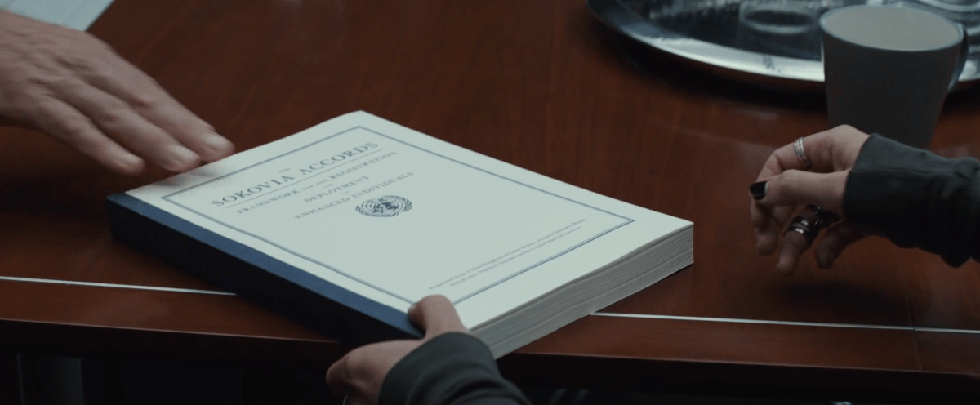
In the Marvel action film, it is nations who wish to constrain the superheroes and their abilities, and most would say for good reason. That is Tony Stark’s argument. Stirred on by the death of an innocent young man with potential, he willingly decides to throw his lot with the “Sokovia Accords”, the mechanism with which the world body decides to restrain The Avengers. With Starks and Rogers disagreeing, things take a turn for the worst as the animosity brings our heroes to blows.
But the answer isn’t quite answered, whether unchecked power can remain just? Captain America is the epitome of perceived American values, and as such serves as a moral compass relative to the rest of the team. The United States sees itself much the same, and as such will not entrust global governance to countries it deems as less moral, as less just, and as less trustworthy. By the film’s conclusion, Captain America is outside of the law and is deemed a rogue, as well as those who follow him. But much like the country he represents, can a superpower with friends really be considered rogue?