Did you get coffee? Did you get energy? College students may have to think twice about how much caffeine they are consuming daily.
From popular coffee shop chains, cheap one-dollar coffee, soda, five hour energy drinks and sugary caffeinated drinks at Starbucks, this generation has been very inclined to drinking hot and cold beverages. The well-known phrase "too much of anything is bad for you" answers the question of whether coffee and energy drinks are dangerous for college students all over the United States.
Students consuming caffeine in order to "get things done” has always been a concern in the collegiate society. It is common for college students to rely on drinking soda, coffee, energy drinks and whatever caffeinated beverage until they get stuff done at a certain time, but it is not exactly part of a healthy culture. Instead, it has become part of a college culture.
New York University’s Langone Medical Center reports that drinking too many caffeinated beverages may have an adverse impact on a teen and young adults' nutritional status. Some young adults want to overcome this habit but the challenge of abandoning this addiction comes with consequences. It may sound easy for a person to all of a sudden stop consuming these popular drinks.
Johns Hopkins Medicine warns that college students that they can suffer from withdrawal symptoms. These can include fatigue, headaches, dizziness, jitteriness and anything that makes a person feel abnormal from not taking their daily doses of caffeine. Many college students try to end their caffeine overdose but Teenagers can experience and sometimes go to the office with these symptoms thinking that they are sick or that they are tired and end up going back and relying on caffeine all over again, resulting in a vicious cycle of going back and forth with caffeinated beverages.
However we know that caffeine is not the greatest for you, but if one needs a fix of caffeine what is the best method?
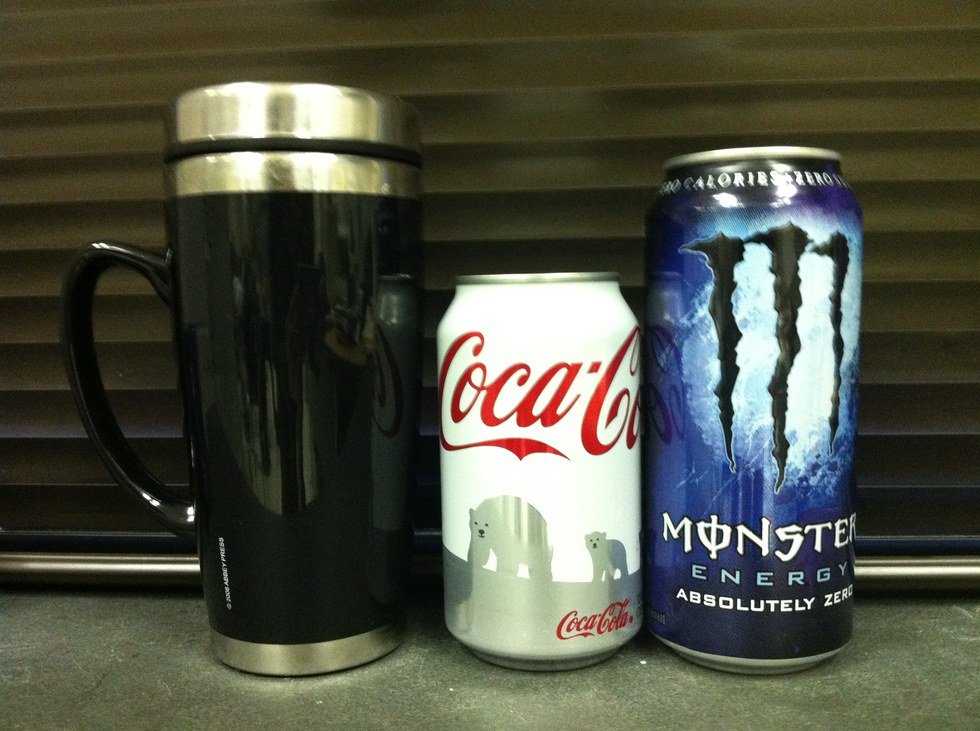
The overload of energy needed to complete daily tasks has made many young adults rely on these types of beverages. Some teens dislike the bitter coffee taste but are very inclined to have canned energy drinks such as Monster and RockStar, which can have a later neurological impact on a person’s later life.
Newport Academy rehab center reports that consuming a large amount can keep a college wired all night. Although coffee is less harmful toward a college student health, it still can have side effects that affect concentrating in the classroom or doing homework.
Overall, a person has the right to decide what makes them feel attentive and confident in their daily lives, but based on the studies I read and compared to mentioned above coffee is the best way for one to obtain caffeine, following soda, then energy drinks, then the final resort being actual caffeine pills.Studies/references:
(NYU Study):Lauture Joloire and Broderick Patricia A.. Journal of Caffeine Research. July 2014, 4(2): 33-34. doi:10.1089/jcr.2014.1239.
Published in Volume: 4 Issue 2: July 21, 2014
Johns Hopkins Medicine
Medical Journal: the Sleep Heart Health Study