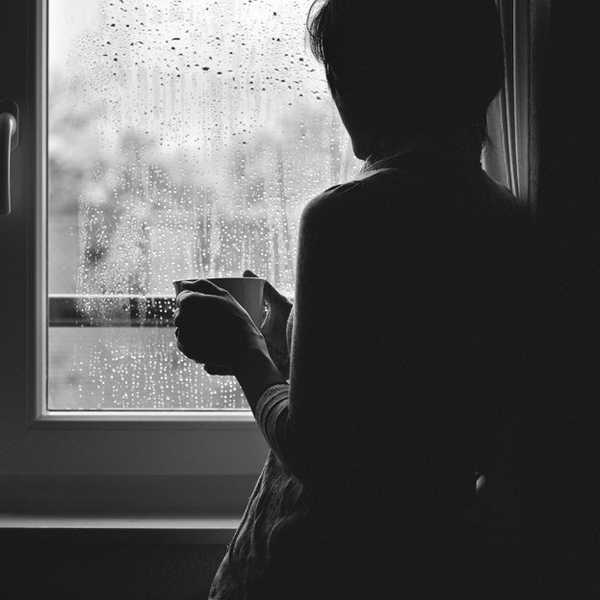


Mental illness doesn’t get the awareness it deserves. One in four adults in America suffer from a mental disorder, despite that, it seems we can only talk about mental illness behind closed doors. We can talk about diabetes, cancer, and heart disease but we don’t dare discuss mental disorders such as depression, bipolar, and anxiety.
Last week, I had the opportunity to watch "This Is My Brave," a show that was put on in hopes of ending the stigma behind mental illness “one story at a time” and that I highly recommend watching. In this show, there were about a dozen people that told their stories through essays, poetry, and music. These brave individuals inspired me to tell mine and help bring mental illness into the light. I’ve feared telling my story for too long because I’m afraid my words won’t come out right or I’ll say something wrong, but I’ve decided to be brave.
It seems like most people that suffer from mental illness can express it in beautiful ways. They talk about their sadness through beautiful, poetic words and lyrics. A depressed artist paints their sadness and allows others to understand them through their canvas. A bipolar movie producer creates a film that portrays their highs and lows perfectly. An anxious photographer shoots the perfect image and edits the film just right to convey their panic attacks. During my worst times, I finally had the perfect words for how I felt but I was much too tired to write them and I would lose the words as I began to feel better. I’ve always struggled to tell my story because, aside from my lack of the sufficient words, I fear that I’ll be perceived differently or that I’ll let my family and parents down for feeling the way I once did but it’s time for be to overcome that fear.
I remember standing outside of my middle school, waiting for my mom to pick me up. I was in seventh grade and it was snowing outside. I had stayed later that day to get some help with math and, being the middle of winter, the sun had already disappeared even though it probably hadn’t reached 5:00 yet. The snow came down so slowly and I noticed that occasionally a flake would glitter if the light from the lamppost hit it just right. The air around me was silent because the snow seemed to absorb all the sounds. It was in this quiet, cold moment that I first realized I didn’t feel good. I wasn’t happy. I was very, very sad.
During my middle school years, the sadness was a dull feeling that stayed in the back of my mind. It wasn’t until my freshman year of high school that the thoughts began. The thoughts, my own voice, told me that I wasn’t pretty, I wasn’t thin enough, I wasn’t good enough. I was unlovable. These thoughts of self-hatred were my own and they became my sole focus. It was my freshman year that I began eating less and less because I believed that if I was thinner, maybe then, I could be worthy of love. I found comfort in a close friend that year who warned me of the path I was going down and I somehow managed what probably would have become a terrible eating disorder.
Although I was eating better, I still wasn’t happy and I still didn’t love myself. My sophomore year was my worst year. What had once been a dull sadness became a sharp pain in the front of my mind. I would go to school but I couldn’t focus. I had switched schools my sophomore year and I should have been making friends, but I didn’t want to. Making friends, I knew, would take time and effort and I was too tired for that. I didn't want to make friends and I didn’t want to be alive. I wasn’t actively suicidal, but I had suicidal thoughts and I would have been content dying. I felt terrible. I felt like crying but I was too numb for tears. I was tired but I couldn’t sleep. Everything felt dirty and I felt like I couldn’t breathe. I took long showers, washing from head to toe, at least twice a day, in hopes that I would feel clean and free of the disgusting feeling for at least a few hours.
I honestly believed that I would never, ever feel good again. I felt like this sadness, this dark cloud, these self-degrading thoughts would never leave me. I knew I wasn’t doing well and that I needed help, but I couldn’t stand disappointing my mom and telling her how I felt. I didn’t want her to feel like a failure because I knew this wasn’t her fault. My sadness was all internal and it hadn’t come because of any external reason that she could fix.
Despite trying to keep my sadness to myself, in October of my sophomore year, I finally received the help I desperately needed. I got diagnosed with depression along with obsessive compulsive disorder. I was prescribed some medication and it made all the difference. I began making friends, I began feeling like I could breathe and the world felt cleaner and clearer. The sharp pain I felt inside my head and all over my body began to disappear. I began to see myself in a better light. I no longer felt ugly and unlovable. I felt beautiful and loved. I still do feel beautiful and loved and as time has gone on, I’ve even been able to stop taking my medication and still feel wonderful and happy.
I have two messages for this story. One, mental illness is real and it’s nothing to be ashamed of. If society viewed mental illness differently, I believe that I would have gotten help sooner and wouldn’t have suffered in silence for so long. The stigma behind mental disorders needs to go because until it does, people will hurt and some people will even make a choice that is irreversible. Two, there is a light at the end of the tunnel. There is hope. I never thought I could be happy when I was suffering from depression. I thought the sadness that I felt was part of who I was. Looking back, I see how clouded my mind was. I know from experience that no matter how bad and dark things seem, life does get better.
I know my words cannot fully convey my thoughts and feelings, but I hope they help one person. I hope that because I was brave enough to share this story, someone else will be brave enough to share theirs and help end the stigma of mental illness.