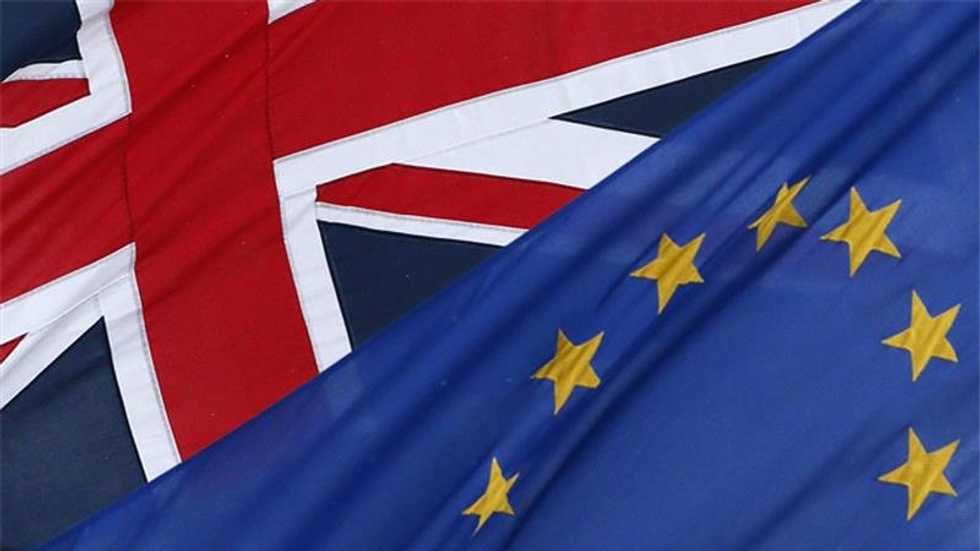
The European Union is a political and economic juggernaut.
It is the combined forces of 28 member states, which together have a population
of over 500 million and represent
25% of the world's nominal GDP, giving it more economic clout than China and
Japan combined (though still not quite as much as the United States).
The United Kingdom of Great Britain and Northern Ireland has
been a member state of the EU since its inception in the 1980s, and was already
a member of the EU’s predecessor, the European Economic Community.
Despite this, many in the UK have become increasingly
displeased by the EU for years now, often citing the growing power of the
central EU government. In recent years, new EU treaties have “shifted a growing
amount of power from individual member states to the central EU bureaucracy”,
and have allowed the EU to enforce universal European law on nation states. As
it stands, anything that is ruled by the EU overrides the national laws of
member states.
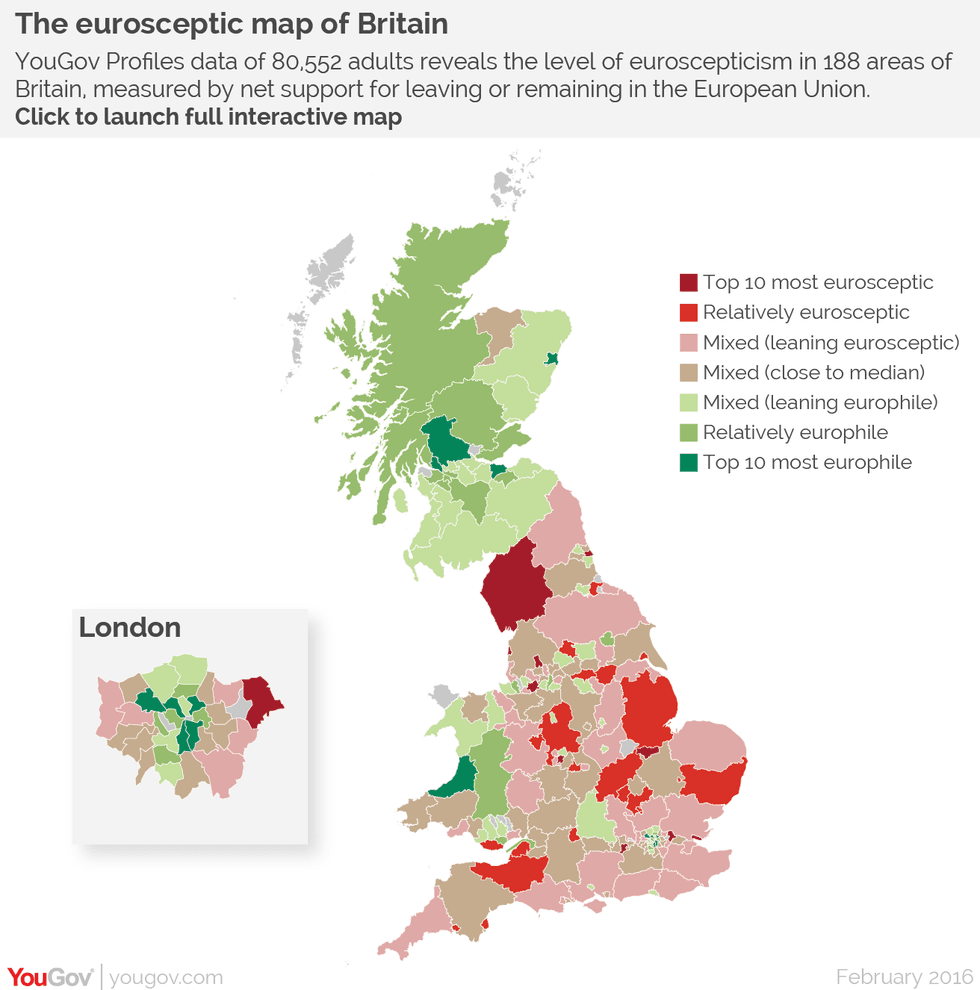
Because of this, and countless other grievances and
difficulties, the UK announced that a referendum would be held in the form of a
popular vote, in which the British citizens would be able to vote on whether or
not the UK should remain a member state of the EU, or whether it should leave.
This vote was nicknamed “Brexit”, a portmanteau of “British
Exit”, and it was announced that it would be held on the 23rd of June, 2016. As the vote drew closer and closer, the arguments and debates over how the British
population should vote grew more and more.
Some in the UK argued that the EU system is “not democratic”,
by pointing out that the European Commission, the legislative and executive
branch of the EU, isn’t accountable to voters in any of the member states. They
are appointed by other members of the EU, not by anything resembling a popular
vote. Those in favor of the Leave option argued that the ability of unelected
officials to “force” laws and regulations on member states, no matter the
opinion of citizens of those member states, was an attack on the sovereignty of
the United Kingdom, and denying the basic democratic rights of its citizens.
/cdn0.vox-cdn.com/uploads/chorus_asset/file/6690459/542116618.jpg) Other arguments for the Leave campaign often focused on
issues of the economy and immigration. Economic arguments often pointed to the “failure
of the Euro”, claiming that it was largely responsible for the massive
unemployment and debt in countries such as Portugal, Spain, and Greece.
Other arguments for the Leave campaign often focused on
issues of the economy and immigration. Economic arguments often pointed to the “failure
of the Euro”, claiming that it was largely responsible for the massive
unemployment and debt in countries such as Portugal, Spain, and Greece.
On the other side, those campaigning for the UK staying in
the EU argued that if the UK voted in favor of Brexit it could lead to enormous
economic difficulties for the British. Members of the British Labour Party
stated that it could result in the loss of half a million public sector jobs,
and could cause a 30 billion Pound cut in spending, and a proportionate rise in
taxes.
These figures are rather extreme, and many have expressed
doubt over their veracity. Even if they are correct, some have suggested that
the argument for UK sovereignty is more important than economic difficulties.
One British citizen, campaigning for leaving the EU, stated that he “would
rather live in a poor democracy than a rich tyranny”.
The vote was held last Thursday, and it was extremely close.
However, ultimately, the UK voted slightly in favor of leaving the EU, with 48%
voting in favor of remaining and 52% voting in favor of a British Exit.
At first glance, it appears that the worst economical fears of the Remain camp came true. The Pound immediately dropped to lows not seen for over two decades, mere minutes after the result of the vote was announced. This was to be expected: the economic and political fallout of Brexit will no doubt be enormous, but nobody can be quite sure what exactly they will be—a situation that’s often bad for the global economy.

they're faced with this morning,” said Dennis de Jong, the managing director of
an online public trading platform. “The shockwaves are likely to reverberate for some time and the warning lights are flashing brighter now than ever.”
The political fallout has also been immediate and extreme:
the current British Prime Minister, David Cameron, has announced his intention
to step down from office by October to allow a new, fresh start following the
Brexit vote.
However, the long term effects of the Brexit vote are still
up in the air. The ultimate results have yet to be seen, and the debates rage
on over whether or not this will be a boost to the UK and world economy, or a
handicap. Only time will tell what this will do for the economic sphere, and for
the political landscape of the West.
Only one thing is certain: last week, the UK made history.
By leaving the European Union, they changed the world as we know it.