The world watched as Europe held its breath Friday morning, June 24, while waiting for the UK’s European Union (EU) referendum vote. In the largest voting turnout for the UK since 1992, 51.9 percent of the 30 million voters won the decision to leave the EU. This is the first time any country has left the EU. For those of you wondering what this all means, here is a simple (hopefully) explanation.
For Starters, What Is The (EU)?
The European Union is made up of 28 countries in Europe, including Britain, France and Germany. The EU was created after World War II with the hopes of creating a partnership among countries enabling easier trade and alliances during war times. The EU also prompted the creation of the euro, a form of currency used by 19 of the 28 countries.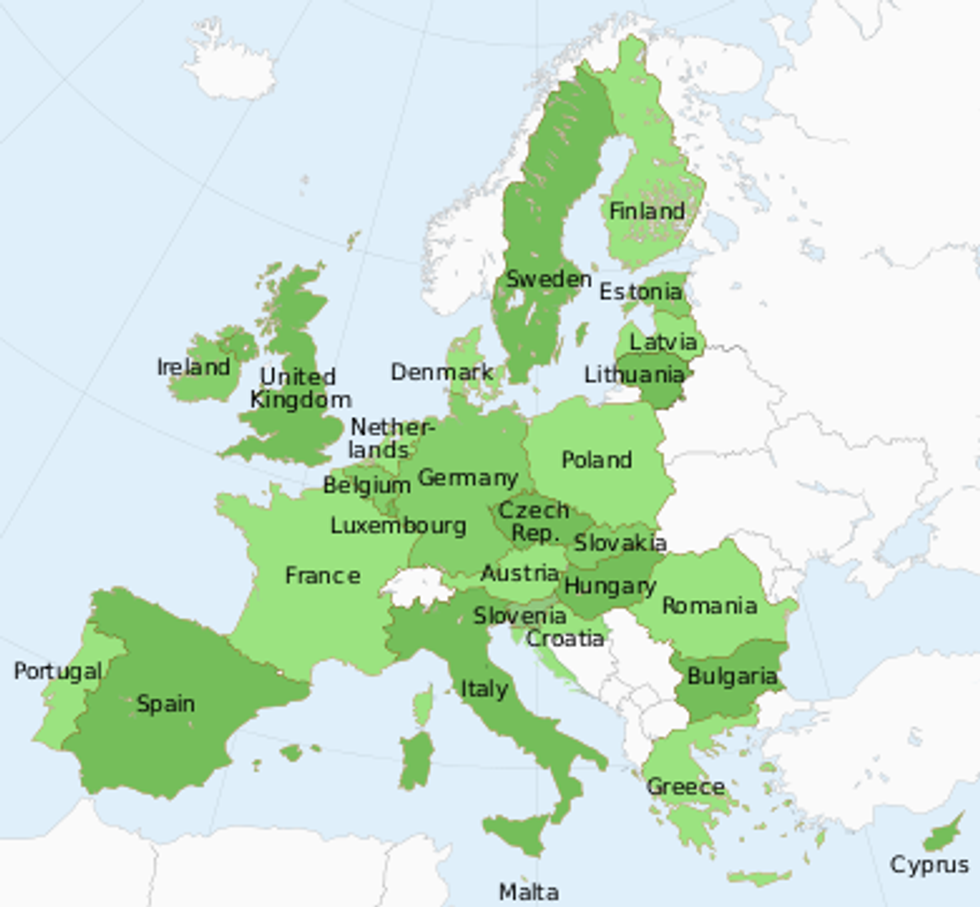
Who Wanted To Leave/Remain?
The breakdown of the UK’s referendum vote subjects the British vote to have led the decision to exit the EU. England had a split of 53.4 percent of voters choosing to leave. On the contrary, Scotland and Northern Ireland voted 62 percent and 55 percent respectively to remain with the EU.
What Were The Arguments To Remain?
What Were The Arguments To Leave?
What Does This Mean Economically?
Over the course of Thursday night into Friday morning, the value of the pound dropped 10 percent, the lowest in 30 years. Investments were quickly and nervously moved to the safety of U.S. banks. With the drop in the value of the pound, inflation will rise, leading to income drop. Essentially, a reduction in Britain’s gross domestic product (GDP) will affect Europe’s economy by half the value of Britain's reduction.
For Americans and other tourists, this means it is now much cheaper to visit the UK than ever before, so pack your bags!
What Happens Next?
In the wake of this historical statement, many members of the UK are left rethinking the course of their positions. With the announcement of the resignation of the British prime minister, the world is left wondering who will leave next. The withdrawal from the EU will take years, but until it is officially separate, the UK will still abide by EU legislation and rules.
Most eyes are now on Scotland and Northern Ireland. Two years ago, Scotland held a vote to determine its connection with the UK, and voters decided to remain, mainly to keep it’s tie with the EU. With the new independence of the UK and the power Britain possesses over smaller Scotland and Northern Ireland, the hesitation to write their own course and position with the EU is predictable.
Even if Scotland and Northern Ireland choose to separate from their unification with England and Wales, that will not be the end of the consequences of the UK’s leave from the EU. There is no way to say for sure what will occur next, but this referendum is likely to have a domino effect. An important question is who will be next, and what does this mean for the U.S. presidential vote in 2017?