


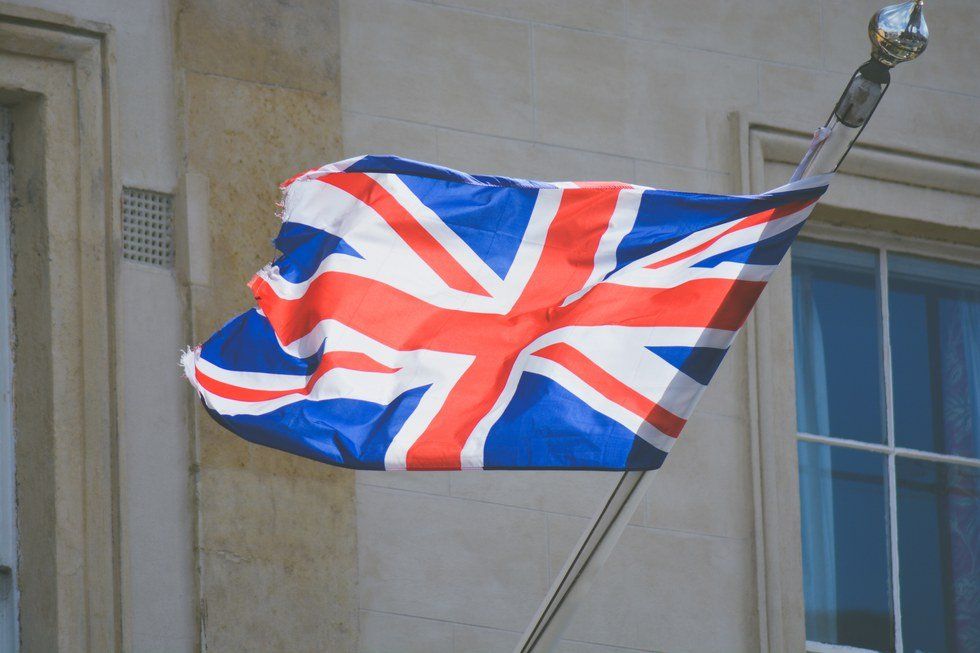
On June 23rd, 2016, the United Kingdom held a vote about whether or not the UK should remain or leave the European Union. Over 33 million people turned out to vote at polling stations for one of the most influential votes of recent history. Slowly the count came in, showing that "Leave" was winning by a good margin. Over the next few hours, news stations were reporting that it was 85% likely that the UK would leave the EU. And then, with 51.9% of the vote, "Leave" won. But what does this really mean, especially for the United States?
Firstly, we have to establish that this is not an immediate change and that the UK will not be leaving the EU right away. It will be a steady process of leaving that will continue until around 2018. In fact, Article 50, the legislation that will allow the leaving process to begin, has not been activated yet. Right now, informal talks with the EU will occur to begin negotiations but the formal, legal process has not begun and will not begin until the new Prime Minister is elected.
Speaking of Prime Minister, the current PM, David Cameron, has decided to resign. This will not take effect until September. Cameron stated that he was "not the right captain to steer this country to its next destination". While he is being criticized for doing this since he should be the one to steady everything out, I believe that it was the best decision for him since he was a supporter of the "Remain" campaign and did not have the same vision for the country as the populace did. In the last few months of holding Prime Minister, Cameron will begin talks with the EU and help manage the fallout that this decision has created.
But what does this mean for the rest of the world? Already, the vote has sent shockwaves through the global economy as the pound plummeted by over 10%, a new low since 1985. This has also caused many other currencies, including the dollar, to drop as well, just not as much. It is expected that this split could create another recession due to the impact that has on the global economy. It has also started talks in other countries, such as France and Italy, to consider leaving the EU. Scotland is calling for another referendum on Scottish independence because Scotland voted, overwhelmingly, to remain in the EU. In addition to this, Ireland is looking toward reunification so that Northern Ireland can remain in the EU instead. This referendum has also deprived the right of the people to live and work in other European Union countries because this will effectively make it harder to exit and leave the United Kingdom, especially for business purposes. People trying to study abroad in the UK from the United States will also encounter this since Britain's borders will be tighter and it will be harder to get a student visa.
Overall, the referendum has done more harm than good so far. Possibly the worst part of it was that the older generation were the deciding factor, even though they will live the shortest amount of time in this new UK. The younger generation voted "Remain" by a huge margin and will now have to deal with the consequences for the longest amount of time. Brexit has become an example to the rest of the world that votes do matter and, regardless of country, people need to vote. I can only hope that the results of this vote are not too devastating and that an agreement can be made that will benefit everyone.

















