
Having a concussion sucks. It was literally the worst six months of my life. Although I am still affected, I have worked hard to get myself to cope with it. After all, that is the only thing you can do.
Sensitivity to bright lights and loud noises, short-term memory loss, headaches, blurred vision, and many other symptoms are not normal. Regardless of the sport, concussions are a risk that everyone is taking by participating. Imagine if you were hit by someone skating at full speed and you woke up in a place you don’t remember with people you don’t remember. It’s a scary thought. When a player is struck in the head but does not go unconscious, it does not necessarily mean they do not have a concussion. It could be a few days after the incident that they start to show symptoms. Every person, parent, friend and coach should be aware of the severity of concussions. Multiple incidents of head trauma can turn your brain into slime, with you eventually becoming a vegetable. Concussions are not something to be handled lightly, as they can change a person’s life in an instant.
When I got my concussion, I was just going out to play some casual hockey with my friends. Now, my retention and attention span are decreasing as my headaches and migraines are increasing. Concussions force us to re-evaluate our American culture and society, the increased technology we have that is supposed to be helping protect the players from injuries, and psychology of the players and what happens to their brains -- during and after the play in the league.
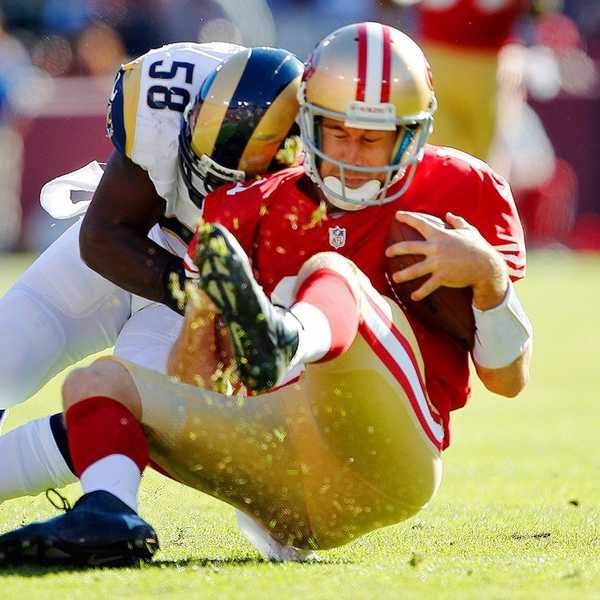
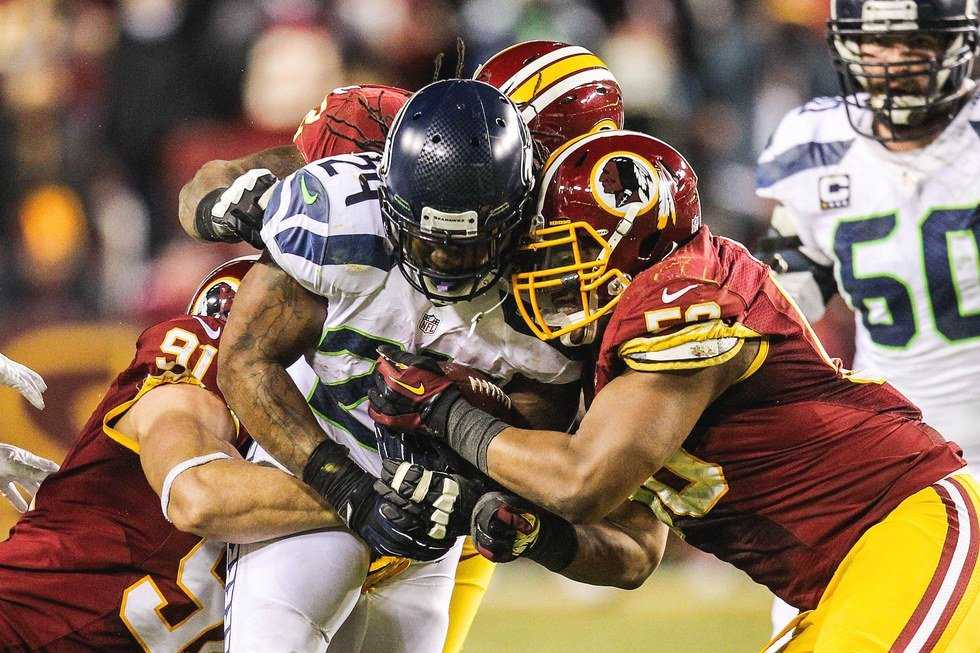
Humans have always been brought up with sports. It is a place we go to when we want to escape from our everyday lives for a couple hours. We watch to be entertained and get adrenaline rushes. We love watching people, professionals in particular, doing amazing things. Contact sports are the center of American society. Most young children even strive to be a professional athlete when they are older. But one of the main reasons why we watch sports is for the hard hits and the injuries that are a cause of it. That is why people sit around their television of Thanksgiving to watch football, or go to the huge Stanley Cup Champion parade downtown.
The modification of the rules could cause a drop in popularity, because fans are also attracted to the hard hits and the injuries. When someone gets hit hard, fans want to see that and replay it over and over. But why? Why do we watch people break their bones or go unconscious, just for a sport? We, as a human race, have a connection with sports unlike any other entertainment can give us. We love the violence. Violence has been in our blood since the day humanity was created. We associate the violence with our primal instincts passed on by our ancestors.
Many people, myself included, would say changing the guidelines of the games would strip the tradition away from the sport and essentially make less money for league, players, and the sport as a whole. The people who say that don’t want to take into account the fact we are learning more than ever before about injuries and how they are able to sustain for the course of a lifetime. In a recent study done by the U.S. Department of Veterans Affairs and Boston University, a remarkable number, or 87 out of 91, of former NFL players tested positive for CTE, chronic traumatic encephalopathy, a degenerative brain disease that causes memory loss, dementia, and depression.
A concussion is serious and is not something to be handled lightly. So why do we like our sports so much if we know the possible damage that it could bring? I believe we love sports because we love the violence the sport brings, but also the intellect it gives us. Sports give us something to watch and be connected to like no other entertainment can do. We are connected to sports in our blood. I know that sounds crazy but think about it. Sports used to be the only for of entertainment the Greeks and Romans used to have, which is why the Olympics stemmed from that era. Sports connect us back to our primal instincts and roots.
Concussions are very severe and potentially fatal to the brain. Making people more aware of the severity of concussions is vital in order to preserve the mental stability of the former athletes.