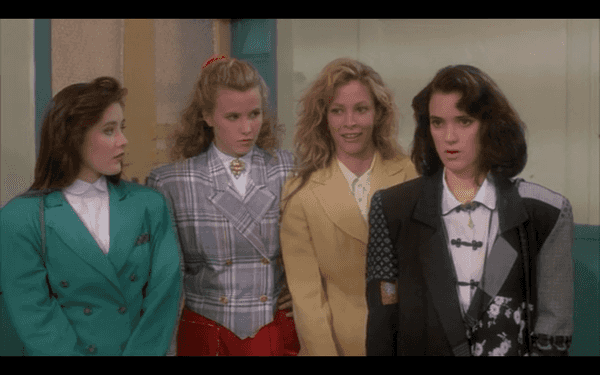
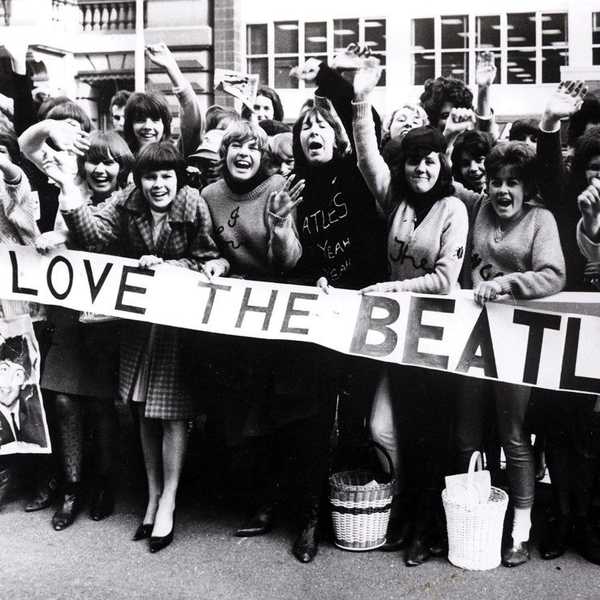
My father raised me on Journey and John Hughes.
Thanks to my mom, I became familiar with the pop and rock music of the 1980s at a very young age; Madonna, Whitney Houston, and Bon Jovi were regular fixtures on the radio in her car, and I grew to love them throughout my childhood years. But the instances of bonding with my dad really sealed the deal.
I remember the classic rock compilation CD one of his friends gave him when I was around nine years old. He would always play it on repeat during our trips to the store or a nearby playground. Sometimes my sister was in the car with us, sometimes not -- the only thing I really paid attention to was the resounding echo of arena rock music in my ears. Once I learned the words to "Don't Stop Believin'" and "Open Arms" there was no going back.
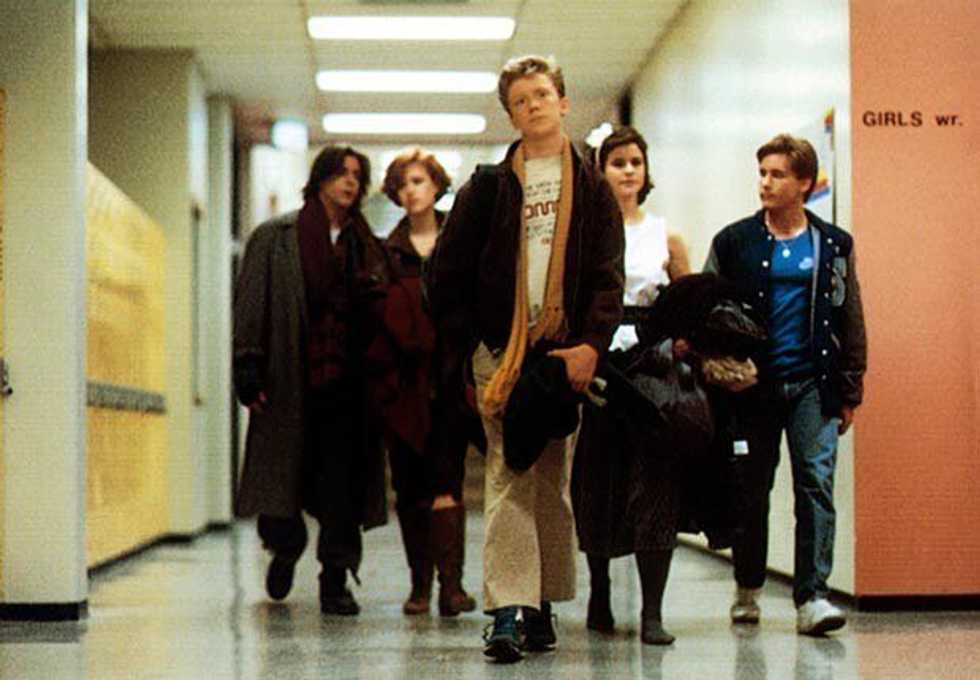
Not long after my first formal introduction to the music of his generation, I found "The Breakfast Club" in our DVD collection and asked him what it was. He said something about how it was one of his favorite movies when he was younger, but it was inappropriate and I couldn't see it until I was older. When I was 15 I finally watched it during a sleepover with a friend, and I'm not exaggerating when I say that it changed my life. I was captivated by the soundtrack, the way each character dressed and acted, and every scene that brought them closer together. "The Breakfast Club" was like my pop culture gateway drug; I became obsessed with every classic cult movie I could find. I wanted to forget present day altogether and pretend I was a teenager in an '80s fantasyland.
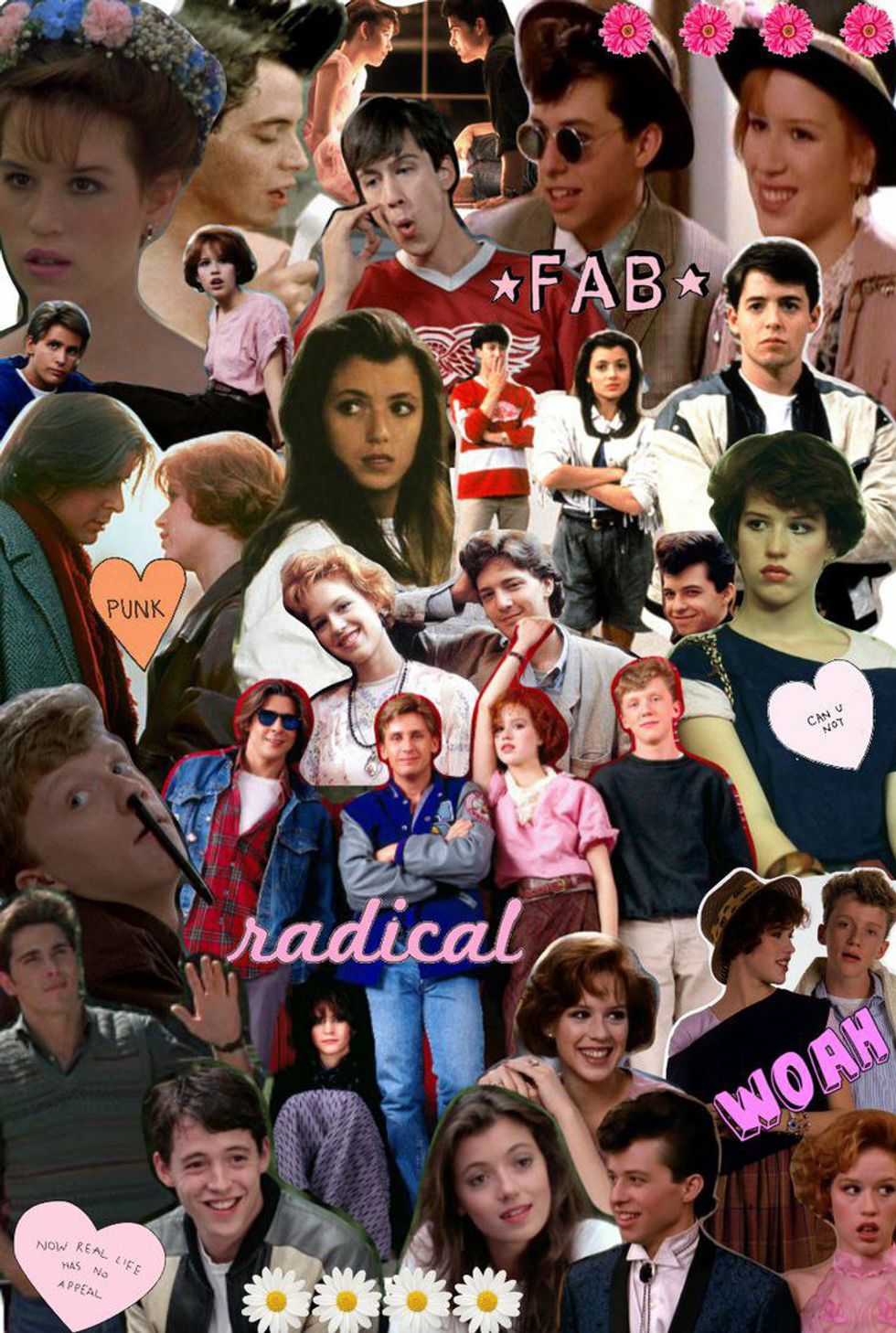
These bits and pieces of exposure to what society seemed like during my parents' younger years affected me so much that I seriously envied them (not going to lie, I still do). Why couldn't I have been there to live through the age of MTV, cheap concert tickets, and teased hair?
My mom and dad take every opportunity to teasingly tell me that I was "born in the wrong generation."
You hear that phrase all the time, but what does it actually mean? Was life (and the state of the world) actually better in the past than it is today?
For example, I have heard several people express their desire for our society to go back to the way it was in the 1950s, which is apparently when romance still existed and times were simpler. But simpler does not always equal better. Sure, the idea of sharing a root beer float with a cute boy at the diner may appeal to you, but would you also swoon over the reality of blatant racism, homophobia, and sexism that existed at the same time? Probably not.
I think the problem with our nostalgia for the generations of the past is that we water them down to romanticized visions of what they actually were. Yes, I am thankful for the iconic movies and amazing songs that have lasted through the years. I am so glad that I get to listen to my parents' cool stories about going to clubs and huge stadium shows when they were in their twenties. I am grateful for those times in the car when my dad and I geek out over how incredible Steve Perry is. But I also know that the 1980s didn't live up to all the hype. There were significant social, political, and cultural issues: to name a few, poverty among minority groups in major metropolitan cities, the unfair use of mandatory minimum sentencing laws, and a severe lack of information about the HIV/AIDS crisis (especially in LGBT communities).
There is a distinction between appreciating the style, music, or overall aesthetic of a bygone era and actually wanting to live in that time. I will always love the 1970s and 1980s but I would much rather admire them from afar, as a member of technologically advanced society that is more educated and open-minded than it was thirty years ago. I'll stick to watching "Dirty Dancing" in an age of increased awareness about gender, race, and diversity, please and thank you.