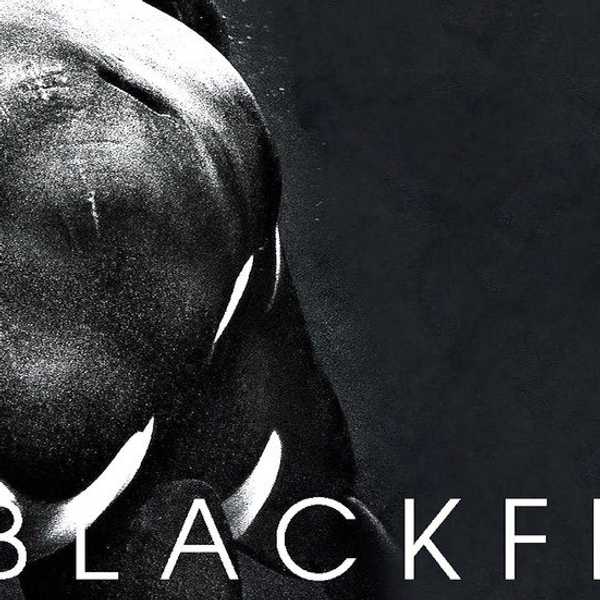

The American documentary “Blackfish” premiered at the 2013 Sundance Film Festival with a splash. The controversial documentary unleashed a huge tidal wave on social media. Across the globe, it seemed like everyone was decrying SeaWorld and boycotting the corporation. This documentary has diminished attendance at the parks, severely affected profits, and damaged the theme park’s reputation.
This documentary was so successful because it showed the conditions that orca whales must suffer and how this has adverse effects on their health. Many have made the analogy that an orca whale living in captivity is like a human being living in a bathtub.
Eventually, the effects of this documentary culminated in SeaWorld making a decision to listen to the public opinion. In March 2016, SeaWorld announced that it would end its orca breeding program, as well as begin to phase out the live performances using orcas. In a video announcing the changes, SeaWorld proudly announced, “We heard you.”
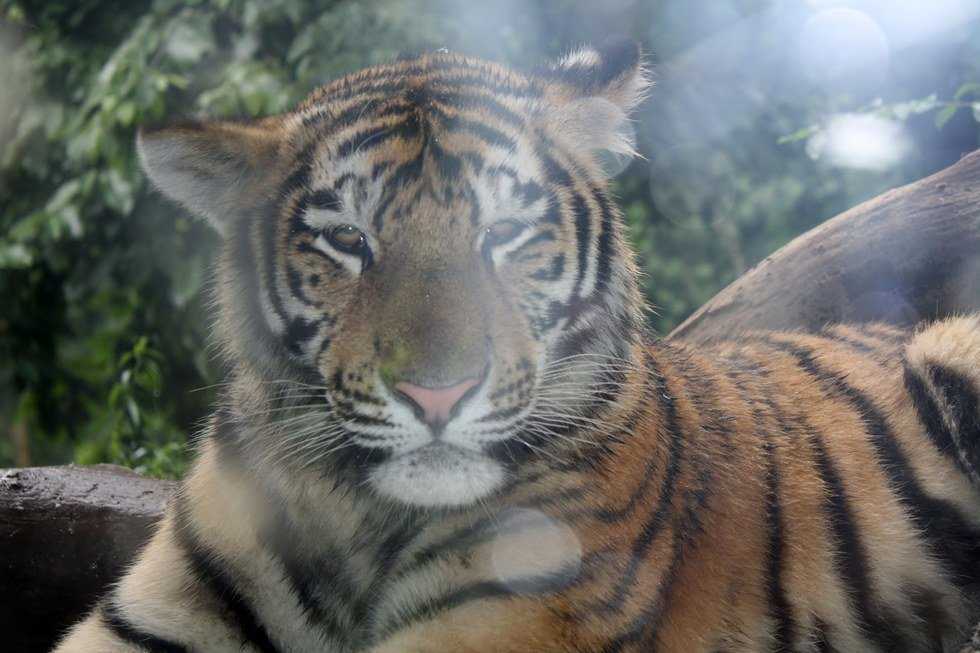
If Blackfish can have this kind of impact on SeaWorld, can animal rights activists have a similar effect on the zoos all around the world? Many videos like this one have been shared, showing the pain and suffering that captive animals experience.
In the video, a captive lion is seen pouncing and scratching at the glass window, where a little stands staring. The video shows a lot: mainly how unnatural the situation is. The lion has no privacy, his natural instincts are being suppressed, and the small enclosure is essentially his prison cell. Similar videos of gorillas slamming their bodies against the glass display a similar behavior. These animals want out. There is a sense of desperation to their existence and suffering.
If we’ve made the connection with “Blackfish” that it is unethical to keep orcas in captivity, when will we make the connection with zoos and circuses, too? Zoos and circuses are nothing more than capital exploitation of these marvelous living beings, who belong out in nature in protected areas where they can happily live out their lives as they are meant to do. The argument that a zoo is a learning experience is outdated and privileges human curiosity over the liberty of a living, sentient being. If your child is so interested in learning about animals, there are thousands of documentaries, videos, and books available.
“Captive animals are deprived of everything that is natural and important to them, and as a result, they become bored and lonely and many evens uffer from a condition called “zoochosis,” Michelle Carr writes.
If we look at “Blackfish” and its affects on SeaWorld, it is a refreshing and positive case for animal liberation. Our voices are being heard, but there are still many hurdles. If we are to advocate for total animal liberation, we must begin to protest zoos, circuses, and companies that test on animals. With this victory, it’s time to send another message: that we will not stand for animal exploitation, and that these animals and their freedom are important matters that can no longer go ignored.