
Your childhood sport shapes the platform from which you launch. It does not dictate who you will become, but what you learn can definitely help you later on in life. Church, school and sports tend to be what has the most impact on you growing up. When I find myself in times of reflection, I realize more and more how playing a sport (because you play power tumbling, right? Right!?) has shaped my path into adulthood.
Tumbling has shaped how I view difficult circumstances and glossy, easy-going seasons of life. It is amazing how tumbling is a literal, yet metaphorical representation of everything in my life. If you have played a sport, especially an individualized one, then you will relate! Which leads me into the first topic …
1. The basics.
I have heard over and over again that you have to start somewhere. Well, duh, to a 7-year-old that is like telling them to go eat a donut. It is easy to take initiative when things come easy, and decisions are not heavily weighted and lofty. At first, when your coach asks you to do a forward roll you reply, “No problem!” Then, you proceed on and do the best doggone forward roll the world has ever seen. Next thing, you want to do a front tuck on the trampoline. The coach lets you, or, at least, mine did because they want you to keep your enthusiasm high.
Sometimes, though, you learn very quickly that if you jump past the basics you run into blocks later on. If you never learn a proper forward roll, then how can you expect to learn a proper front tuck, front pike, or even layout? You have to master the basics, even if you do not see the purpose of them in the moment.
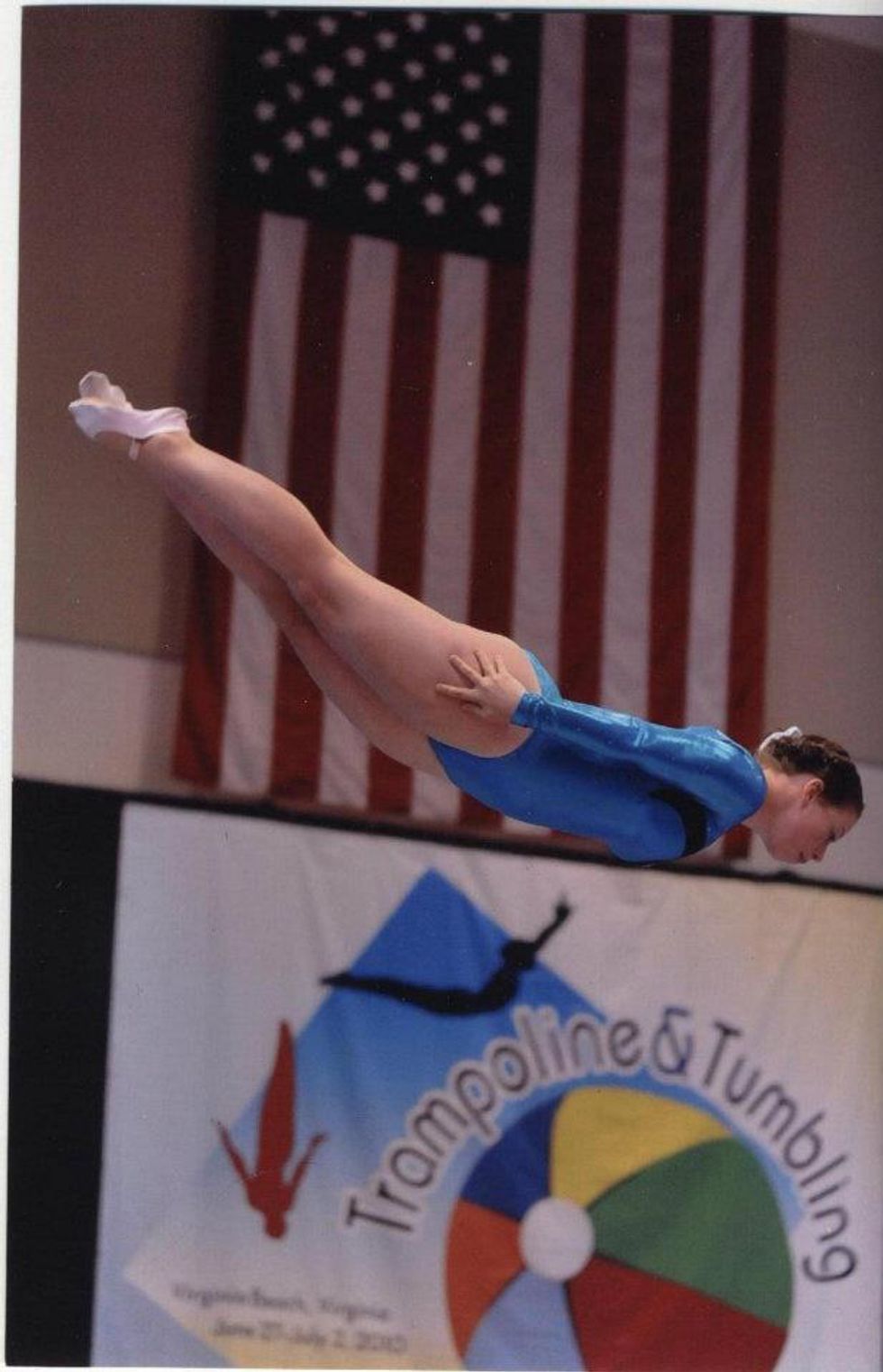
“You can’t build a great building on a weak foundation. You must have a solid foundation if you’re going to have a strong superstructure," Gordon B. Hinckley said.
2. Always appreciate the throw in mat and the one who throws it in for you.
I made a bet with myself. My birthday present to myself was to do my first round-off back handspring on my birthday. I did it. When it came time to learn a standing back handspring I said that I would do it without a spot. I did that too. When I made it to level five on the double-mini, I was bound and determined to do a front tuck off of the double mini without a spot, and I accomplished that without a spot.
Time and time again I prided myself in my ability to get by and succeed without help. However, later on, when I needed help learning a swan dive and a porpoise on the trampoline, I was too stubborn to ask for a mat to be thrown in. I never made it to an optional level on the trampoline because I continuously never allowed anyone to help me. With that being said, I realize that my foundation was wrong.
I wanted it all, but on my own terms. That is not how anything works. People need each other, and when you learn how to accept and give help, you have learned a fundamental life skill. Always except a throw in mat because there will come a time where you will have trained yourself out of accepting help when it is so freely offered to you. And, appreciate those who are there to throw the mat in for you. If you push them away, then they will not want to help you succeed. It feels great to accomplish something by your own strength, but, in the end, you robbed someone else the blessing of helping you and yourself the chance to grow on so many levels.
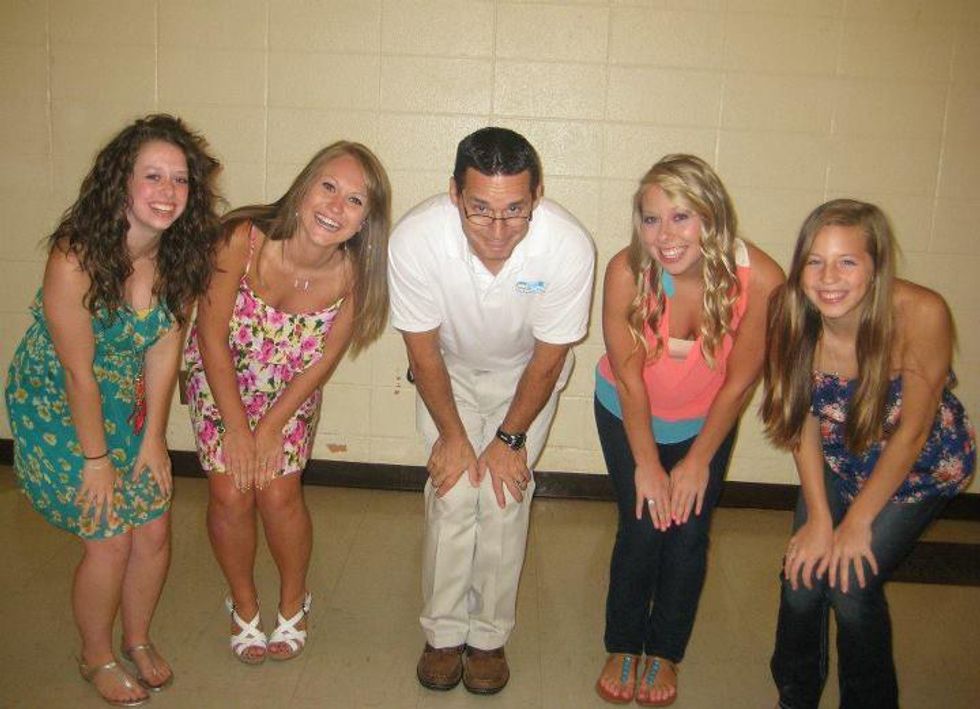
“None of us get to where we are alone. Whether the assistance we received was obvious or subtle, acknowledging someone’s help is a big part of understanding the importance of saying thank you," Harvey Mackay said.
3. You learn how to win.
Winning is not all it is cracked up to be. Winning was something that I had wished and dreamed of. I had a label maker when I was younger, and I loved to categorize things and give them a home with the use of my label maker. I put a label on all my binders, notebooks, and pencil pouches. I knew what belonged in them, and whatever the label described was where I could locate those items. I also made a label for my bedroom door that said, “You are now entering the room of a champion.”
I believed in myself and my potential enough to label my room that of a champion’s, and thereby saying that a champion lived in that room. I know, 10-year old McKenna sounds pretty vain, but I truly believed I was going on to do bigger and better things. I hit a lucky streak, and I won the highest title of the Junior Olympics National Champion. Wow, I could not believe what I had accomplished. I believed in myself, but I was surprised that it became a reality. In those short minutes of limelight, I realized something. Winning is a moment of time, a short season in life at best. It is nice and it is something — but it is not everything. Winning, if anything, teaches you humility.
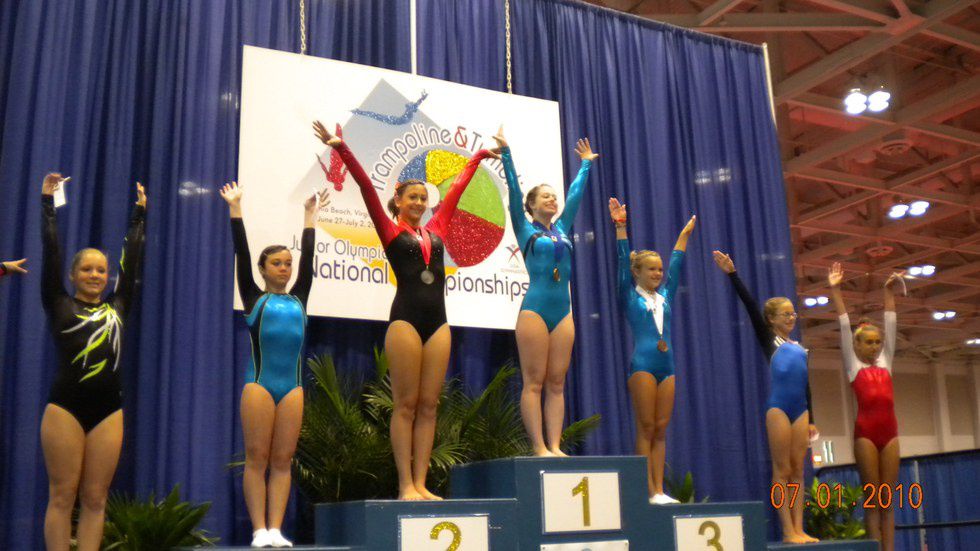
“To be a champion, I think you have to see the big picture. It’s not about winning and losing; it’s about every day hard work and about thriving on a challenge," Summer Sander said. "It’s about embracing the pain that you’ll experience at the end of a race and not being afraid. I think people think too hard and get afraid of a certain challenge."
4. You learn how to fall, fail and fall some more.
I realized early on that I had some talent, but as I got older it became clear that hard work reinforces and increases “talent.” Or in other words, talent and hard work are almost indistinguishable. Working hard means working through blocks, coming to understand what frightens you, and stop overthinking things. Once upon a time, in the great land of Tennessee little McKenna went to a gymnastics meet unprepared and frustrated. I was on a trying and failing streak for a certain skill combo. For the tumblers out there, the sequence was part of a trampoline routine, a barani backtuck. For the non-tumblers, a twisty flip and then a backwards not-so-twisty flip. Regardless of the specifics, it had me a little frightened! I arrived at the state meet, and I told myself “what happens, happens.” What happened was a surprise to even my coach, who was judging. I connected the skills for the first time in competition. He stood up, and told the other judge “wow, it is about time, I knew she could do it.” Life is variable like this.
Sometimes when you are at your lowest and you give it your all, circumstances fall into place. There are also times where you truly are there mentally, but things do not fall into place. Life is variable and sometimes unpredictable. To illustrate this best, I need to tell you yet another story.
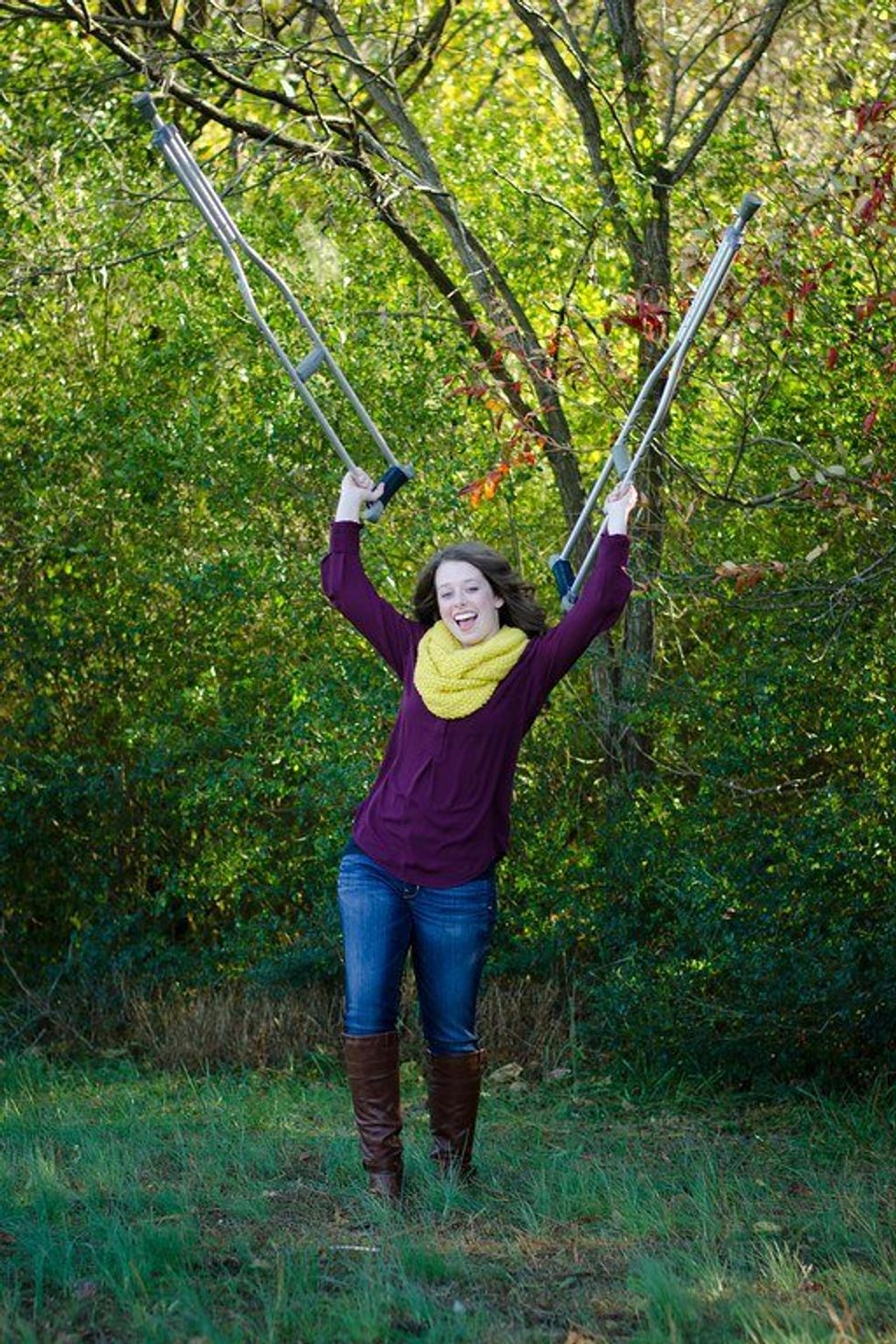
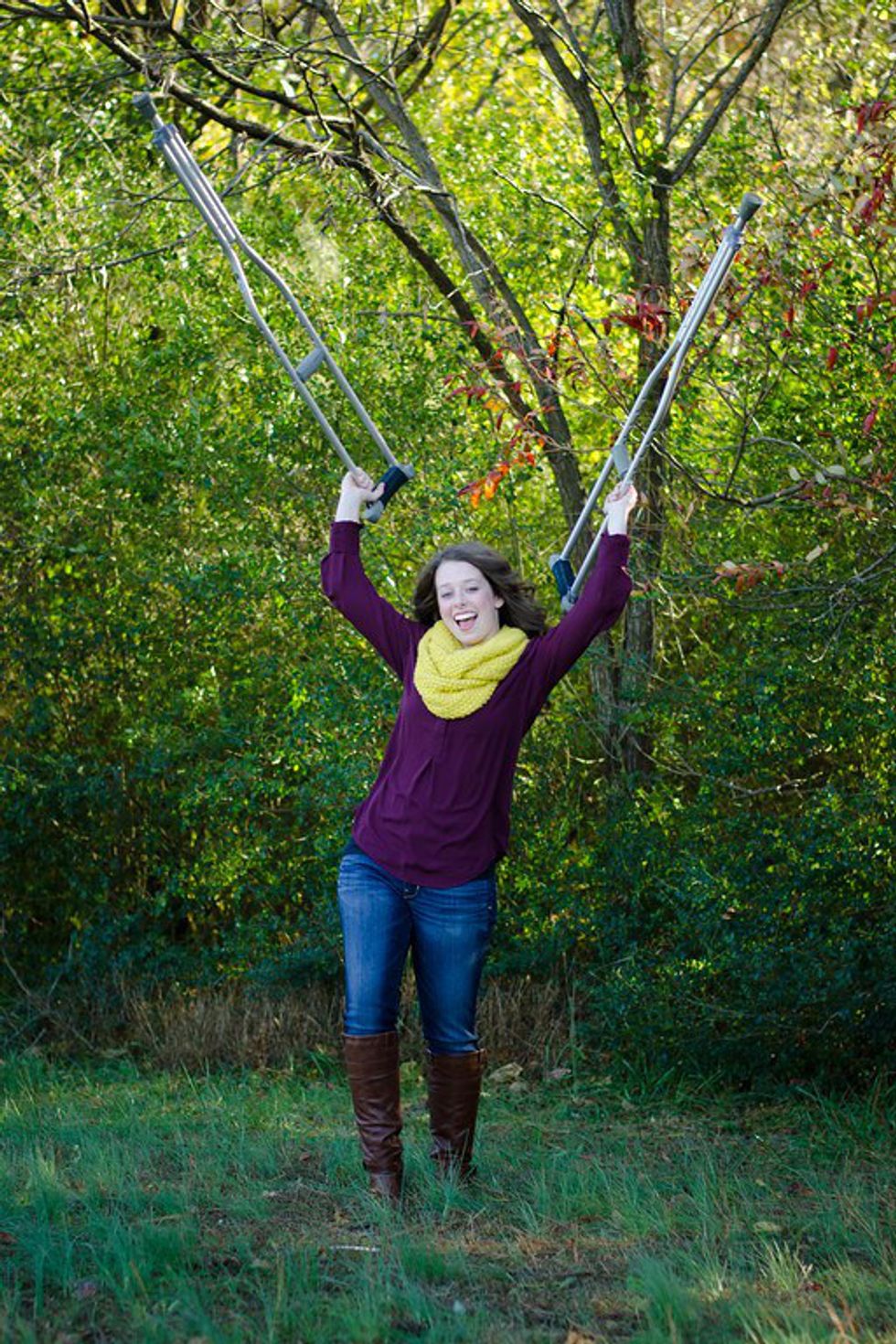
I had made my way back from a pretty bad knee injury, and I was ready to succeed in the sport I love. I prepared a place on my trophy shelf a little too soon. Two weeks before my senior year of high school, one night and a day away from the Junior Olympic National Championships, the worst nightmare of any athlete happened. I tore my Anterior Cruciate Ligament (ACL) and both meniscuses. This was my second go around with an ACL injury. There went my tumbling career. Everything was gone in an instant. Just like that; it was over.
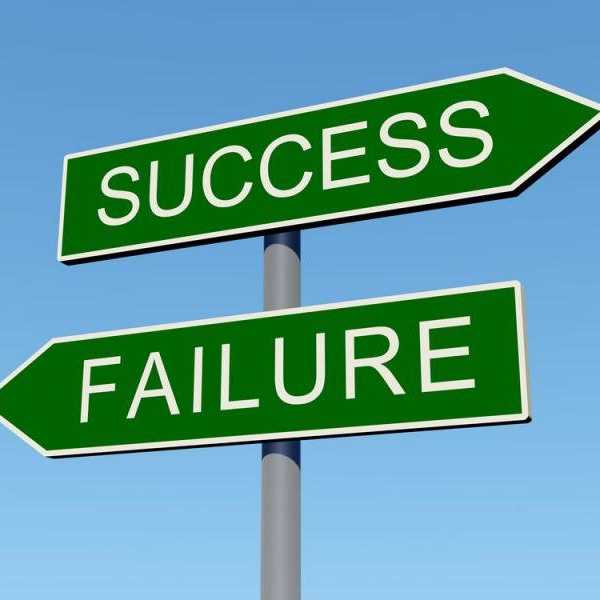
Anything can happen. Just because you believe you have worked hard and deserve something in life does not mean that it will happen. Falls taught me more than victories ever could. There comes a time where you realize you are good at what you do. There are times for success and failure. There are times where you realize you are not going to the Olympics. There are times to experience pain and confusion. There are times for struggling, but all the greater, there are times to reminisce on all you have to be thankful for. Finally, there are times to accept that something is in the past, so that you can fully appreciate it, and look forward.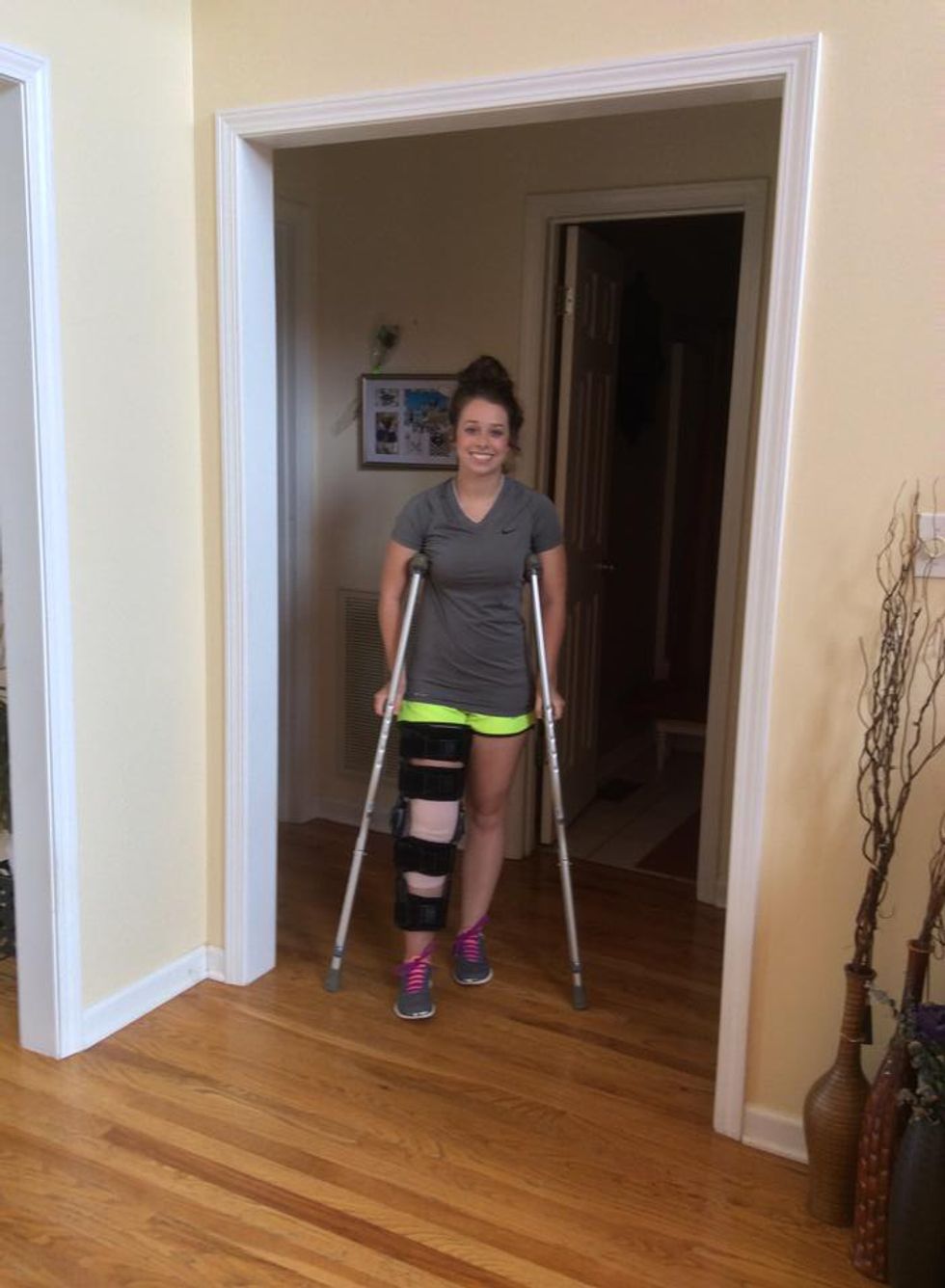
“You can’t always get what you want. But if you try sometimes you might find/ You get what you need," The Rolling Stones sang.
5. You learn philosophy without realizing it.
When you try, you may succeed. When you do not try, you may fail. You may get lucky; you may not get lucky. Sometimes you will have a great day for no apparent reason, and sometimes you will have a bad day for no apparent reason. Life is variable. Every success is not as great as it seems, and every failure is not as awful as it feels. You are one person in a sea of competitors. You always have a chance to succeed. Everything depends on your attitude. Life does not make sense sometimes, and sometimes it does. When it boils down to it life is life, and a little piece of life’s struggles and triumphs can relate back to whatever we do. Tumbling helped make life make sense for a season, and I am grateful, but all good things come to end in a sense. In another sense, nothing really comes to an end. Tumbling has taught me the philosophy of life, the greatest lesson being that “nothing is ever as bad as it seems.” Circumstances rely heavily on your mindset.
Life can be simple or hard, but it is mostly variable. You may learn the hard or the easy way. You may catch on quick or slow. Some skills, or life lessons, will be harder for you to learn than others. You will have people to lavish you with grace during those hard times and fill you with humility in those times of triumph. When you succeed, and when you fail, do not forget who walked each step with you. Do not neglect them or push them away; life is meant to be lived in community. To reach a level where you can see where each step took you, you have to focus on the big picture. There are seasons of plateau where you try and try, but you are simply stuck on a skill. There are seasons where skills come easy and you surpass your limits. The limit may be different for everyone, but there is a common sense of humanity and we all go through the same experiences just in a different form and at different levels. Take heart in this because there is more to life than a sport, but a sport sure can teach you a lot about what is important.
“Very little is needed to make a happy life: it is all within yourself, in your way of thinking," Marcus Aurelius said.