


A lot of life-changing events happened during the 2000s. In 2001, terrorists bombed the World Trade Center; the internet grew exponentially; financial markets all over the world crashed; and the United States elected its first African-American president. These events, among many, many others, seeped their way into the consciousness of people all over the world. Cinema, naturally, followed suit by covering themes that weren't as prevalent in '90s movies.
Here are my favorite films from the years 2000 to 2009. A lot of incredible movies came from all over the world, so here are my honorable mentions in alphabetical order:
"127 Hours," "21 Grams," "Almost Famous," "American Psycho," "American Gangster," "Antichrist," "Bad Lieutenant: Port of Call New Orleans," "Before the Devil Knows You're Dead," "Broken Embraces," "Broken Flowers," "Bronson," "Capote," "Catch Me If You Can," "Children of Men," "Confessions of a Dangerous Mind," "The Dark Knight," "The Departed," "Doubt," "Elephant," "The Fantastic Mr. Fox," "The Girlfriend Experience," "In Bruges," "Inception," "Minority Report," "Munich," "Oldboy," "Punch-Drunk Love," "Revolutionary Road," "The Room," "A Serious Man," "Spider-Man 2," "Up in the Air, "W.," "Zoolander"
Now, those are all great movies, but the list below is what I consider essential. If you're going to watch 10 movies from that decade, go after the ones you haven't seen from this list. You're welcome. It goes in ascending order, No. 1 being my personal favorite.
10. "Finding Nemo" (2003)

In Pixar's high point (the only ones that have been as good since then have been "Up" and "Inside Out") of the late '90s and early '00s, the studio created "Finding Nemo." It's cute, fun, and touching, a dazzling blend of animation and marine biology that, at the end of the day, is really about the relationship between father and son.
9. "500 Days of Summer" (2009)

Featuring the best screenplay of that decade (by Scott Neustadter and Michael H. Weber), "500 Days of Summer" gets inside the head of its heartbroken protagonist by juxtaposing scenes of the rise and fall of his relationship with the eponymous Summer, all leading up to the moment where he gets dumped. It perfectly walks the line between goofy and sentimental, exquisitely and neatly representing the confusion of a relationship gone awry. Its subjective nature rewards multiple viewings, and heck, it's also really funny and has a great soundtrack.
8. "Inglourious Basterds" (2009)
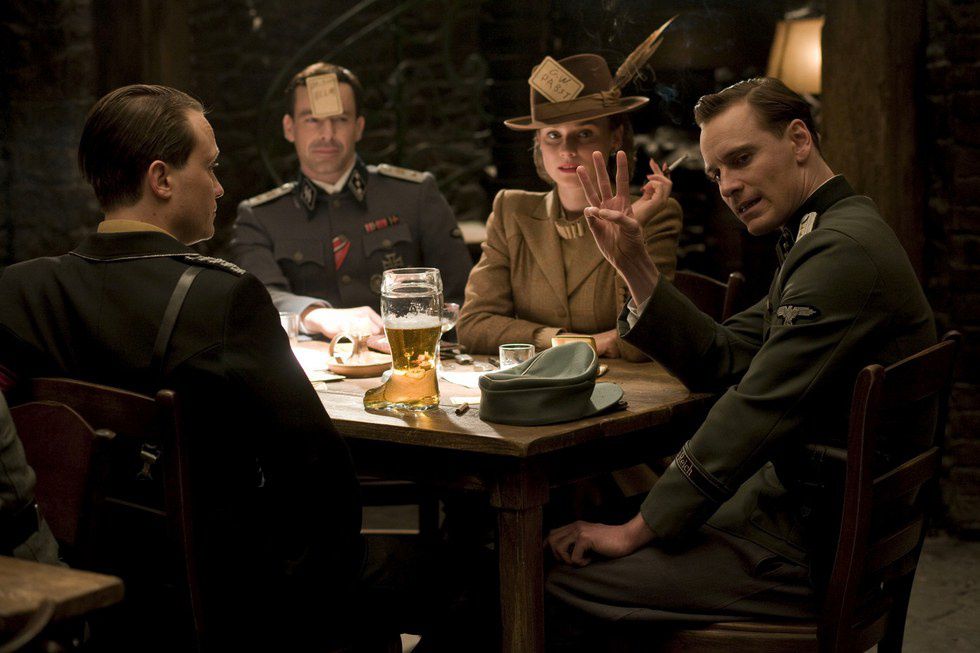
It's Quentin Tarantino's best movie since "Pulp Fiction," and he still hasn't topped it since. Besides the filmmaking mastery of having very long scenes in different languages be completely enthralling, the film is elevated by being a genre-busting but never-disorganized war movie. It's brutal but fun, dark but funny. And it introduced the world to Christoph Waltz, one of those few actors who could make everyone in the audience realize he would be a star from his very first scene.
7. "No Country for Old Men" (2007)

Speaking of international star-making, Javier Bardem's turn in one of the Coen Brothers' best films still holds up as a thoroughly mysterious, funny, and undeniably iconic villain. Its anticlimax turned off some (including me, at first), but it only gets better with multiple viewings. A fly-on-the-wall portrait of a few good men in an evil world, the effect of "No Country for Old Men" is lasting and powerful.
6. "Lost in Translation" (2003)
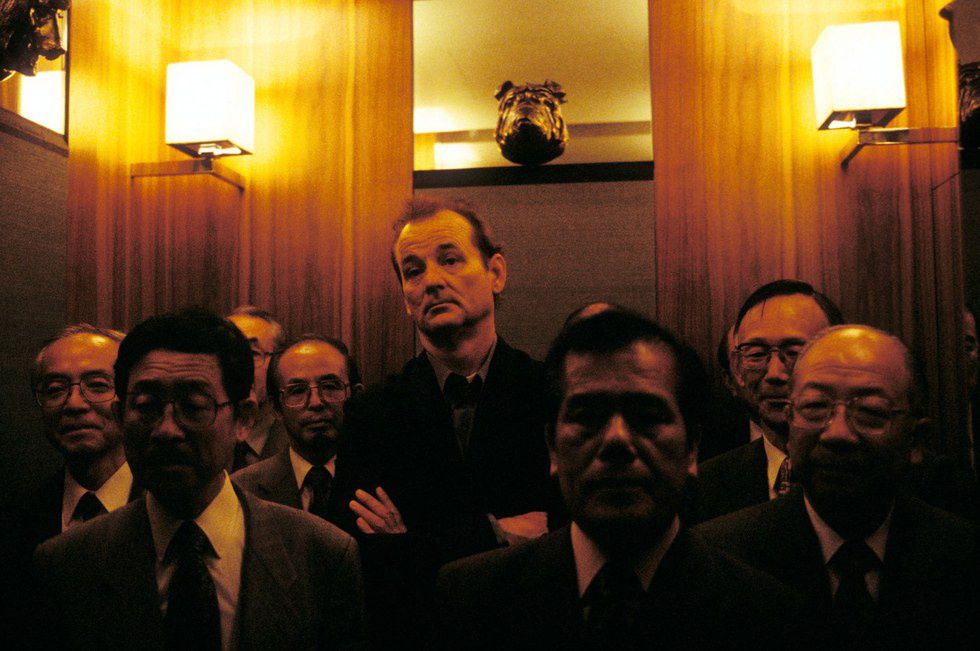
Not that anyone ever doubted Bill Murray as a talented actor, but Sofia Coppola's "Lost in Translation" introduced this god among men to a new generation and catapulted him into a new stage of his career. But above all, it's a tragicomic story about lonely people in a world with too many people. Its spiritual sibling is "Her," written and directed by Coppola's own ex-husband, Spike Jonze.
5. "The Wrestler" (2008)

Darren Aronofsky's "The Wrestler" might be the most relentlessly depressing movie on this list — a story about an aging, sickly wrestler living in a trailer park, working at a deli and on a comeback — but it's a starkly humanist and honest portrayal of fragile people in a broken world. It's a shame that Aronofsky made the schmaltzy and, frankly, phony "Black Swan" as a follow-up. Watch this film instead.
4. "Synecdoche, NY" (2008)
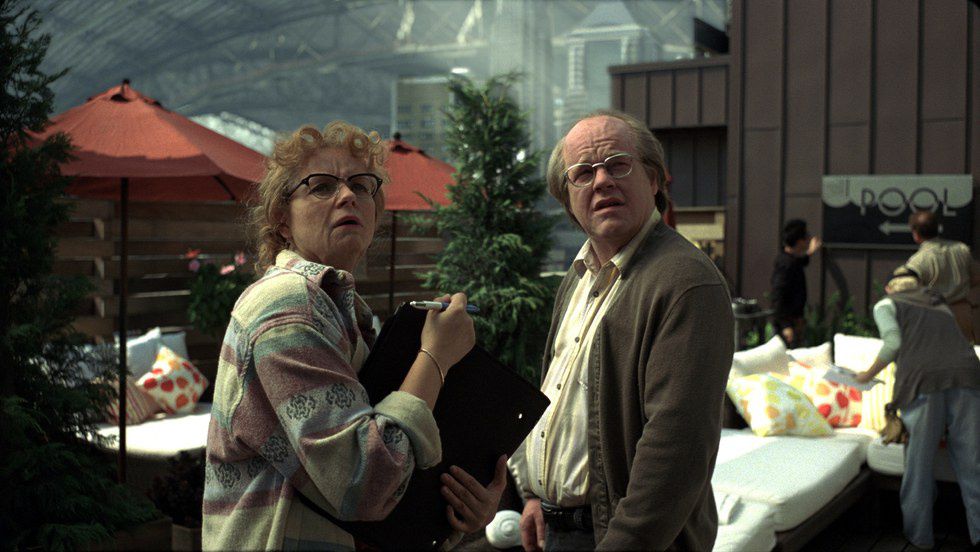
Charlie Kaufman's directorial debut is a very strange film, a reality-bending surreal comedy-drama that's ostensibly about a theater director in Schenectady who builds a synecdoche of New York City in a warehouse located in New York City. How is that possible? That's not the point. It's a movie about the tragedy of life, love, and loss, with metaphors inside of metaphors. The acting is, predictably, stupendous, and the film will linger in your memory for quite some time after.
3. "Zodiac" (2007)
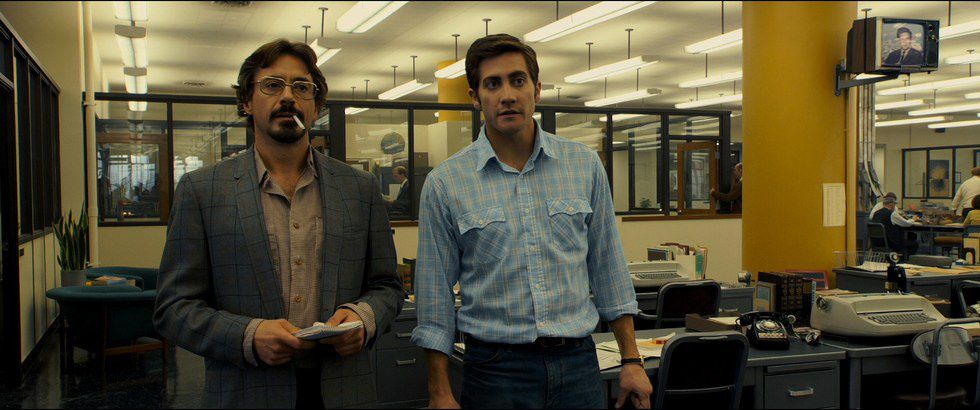
David Fincher's masterpiece in a career of great work confounded me at first. On the surface, it's a serial killer movie with no known resolution. I knew quite a bit about the Zodiac case, and while I admired its attention to detail (which, by the way, is documentary-like and probably the closest "true story" film to reality I've ever seen), I didn't quite get the point. And then I saw it a second time, and it all became clear. It's not about a serial killer -- it's about people becoming obsessed with a dream that the audience knows is unsolvable. It's a film about investigative journalists and the law trying to bring justice and, unlike "Spotlight," is visually stunning and has an unsatisfying ending. But that's exactly the point.
2. "Mulholland Drive" (2001)

You may not understand what's happening in "Mulholland Drive," but writer-director David Lynch's genius is in making such a film totally enthralling. A film that's as much about lost dreams as it is about the seedy weirdness of Los Angeles, "Mulholland Drive" combines film noir, mystery elements, and dark comedy into a surrealist melodrama about people trying to find their identity, literally and metaphorically.
1. "City of God" (2002)

If "Goodfellas" and "Mean Streets" had a kid in Brazil, this would be the result. Due to sexism from the Academy (the one that gives the Oscars), people misremember this film as only being directed by one male: Fernando Meirelles. Really, it was co-directed by Kátia Lund, who's a woman. Regardless, it's a violent film bursting with energy that also serves as a thesis on the nature of evil, poverty, and social injustice. It may not have done wonders for Brazil's tourism industry, but "City of God" is a perfect film.
Watch these movies. Please.

















