

Picture your stereotypical high school English class. The bell rings, and students sit down. The teacher takes attendance before standing up to address the class.
“Okay, everyone, today we’ll be starting a new book.”
The groans echo around the entire room, and several students slump back into their chairs in defeat. Assigned reading is notoriously painful, as kids are forced to delve much deeper into books than they would normally care to. However, this does not always have to be the case. In fact, throughout my high school career, I have thoroughly enjoyed some of the books assigned to me. Though some have made me want to slam my head into a desk… repeatedly… others have let me know what it truly means to be dubbed classic literature. Here are some examples:
1. Of Mice and Men
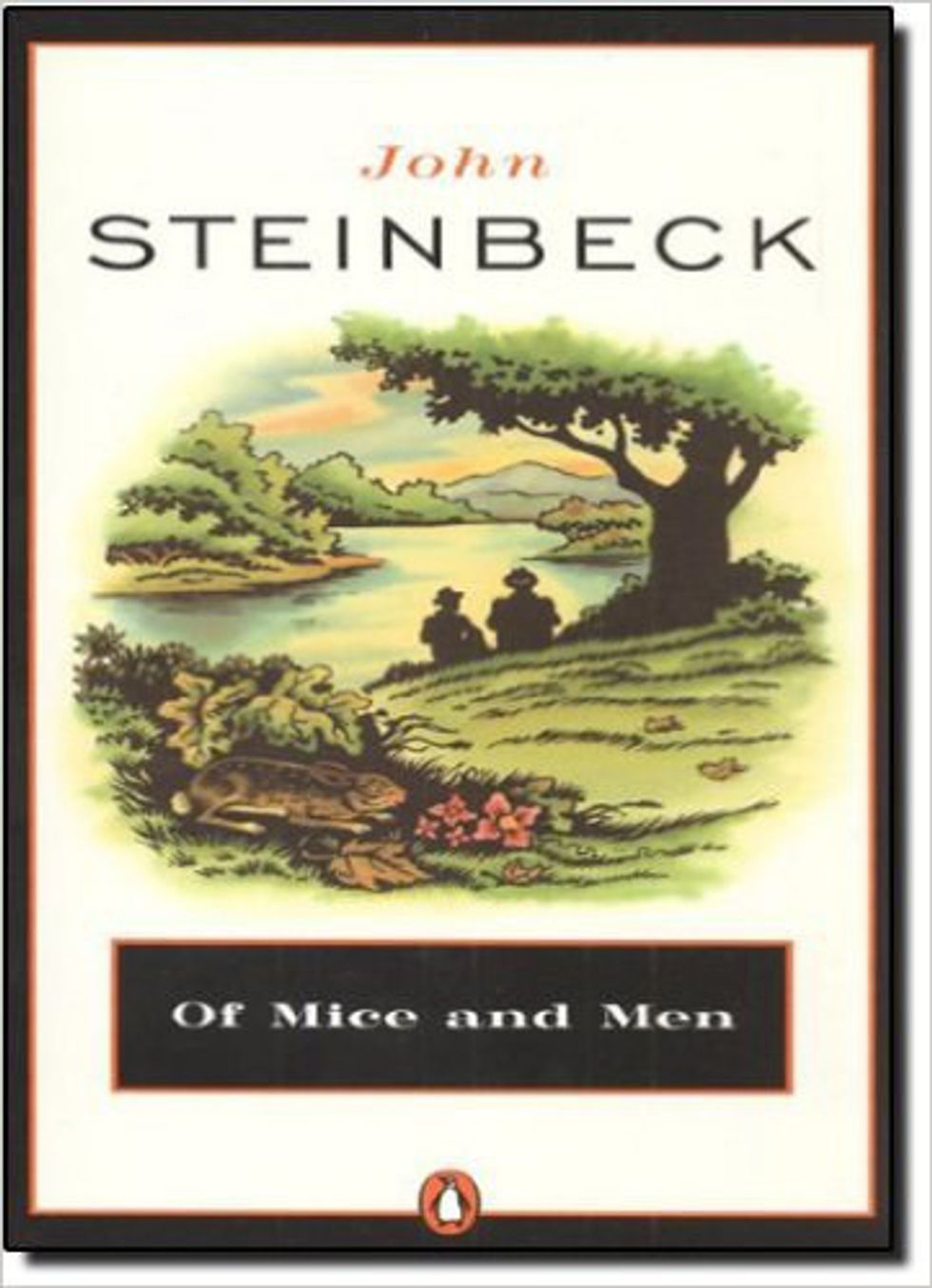
Arguably Steinbeck’s best work, Of Mice and Men tells the story of two friends, George and Lenny, who wander from farm to farm in search of work. George must watch over Lenny, who is mentally slow and dreams only of he and George one day having enough money to buy their own farm. This book manages to be both heartwarming and heartbreaking and contains one of the most spoiled endings of all time, but only because nobody could ever see it coming.
2. The Adventures of Huckleberry Finn
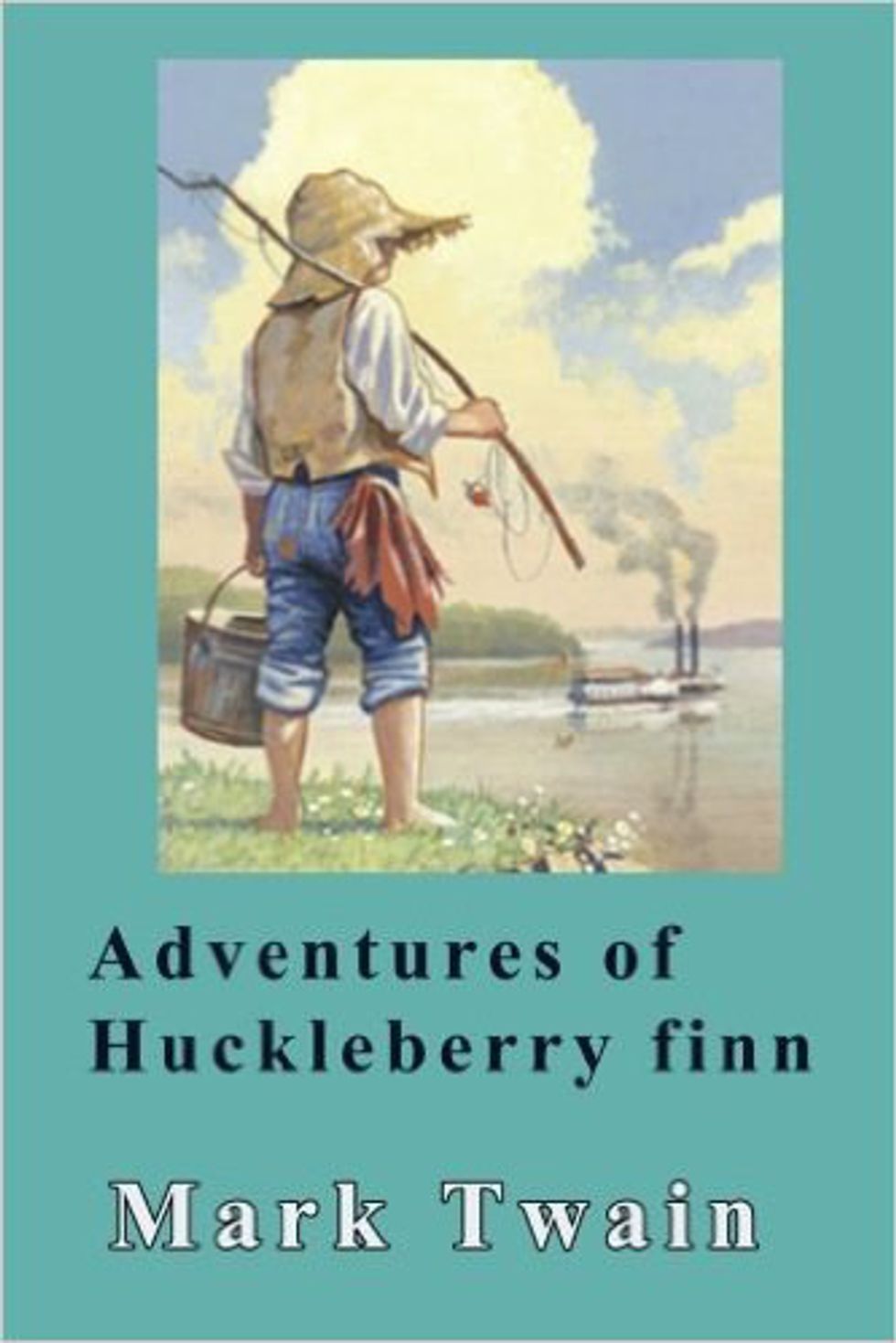
Keeping with the theme of old-timey America, Huck Finn is considered by some to be the quintessential American novel. It follows up right behind The Adventures of Tom Sawyer, though this time, the story is all about Huckleberry Finn, who in the last book, seemed only to be a sidekick. Issues like slavery, robbery and abusive relationships are all touched upon as the protagonist and his various comrades all try and balance adventure with being what others call “civilized.”
3. The Glass Castle
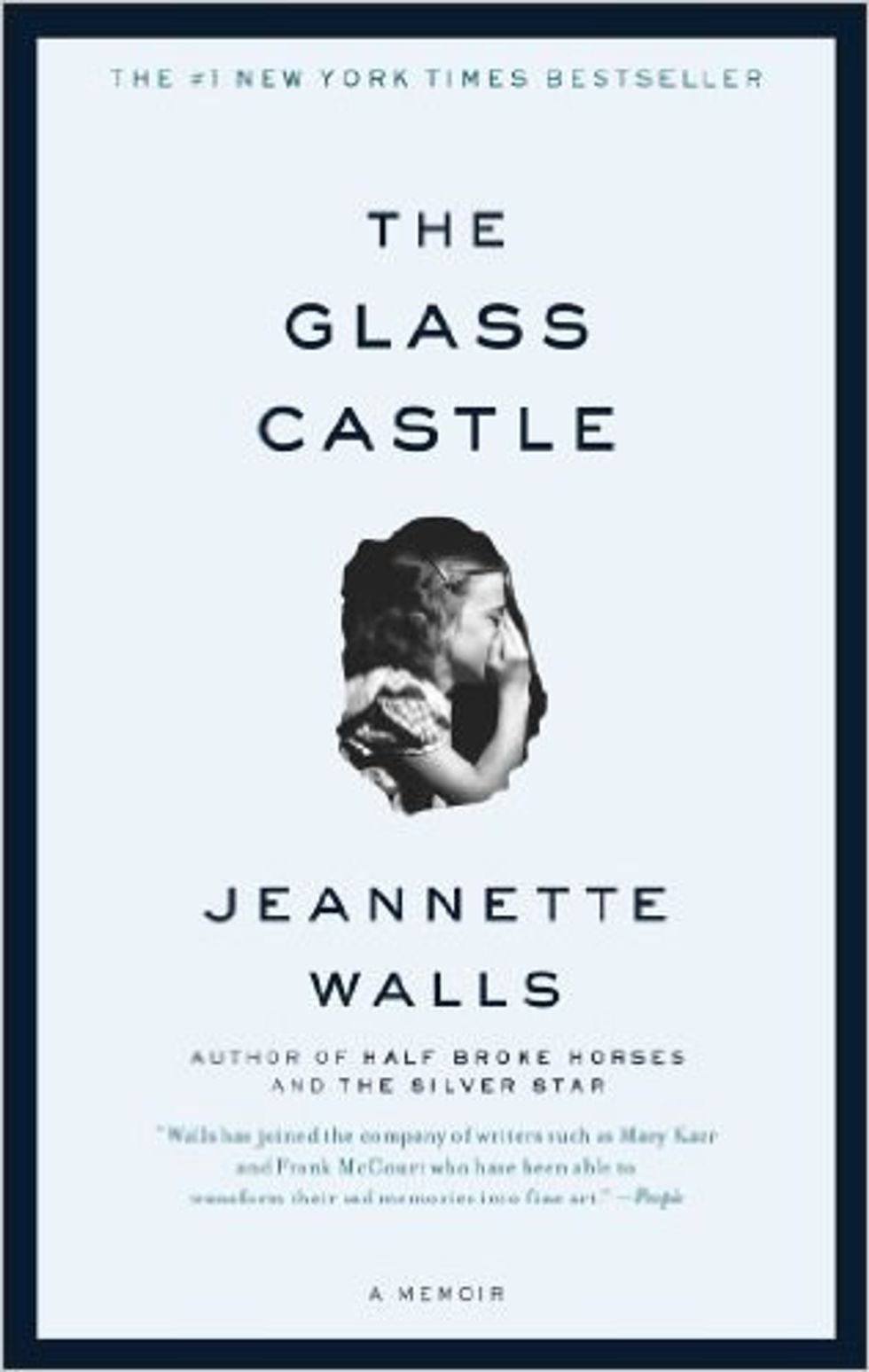
Though not yet considered classic literature, this novel by Jeannette Walls details the struggles of lower-class Americans in a different way than that of the previous two books. The twist here is that the Walls family is homeless, unlike George, Lenny, Huck and Jim, who could be considered merely wanderers, or nomads. What makes it more intense is that this is a true story, a memoir by Walls as she recounts stories from her childhood. If you ever want to provide teenagers with a fresh perspective on life, this is the book with which to do it.
4. Lord of the Flies
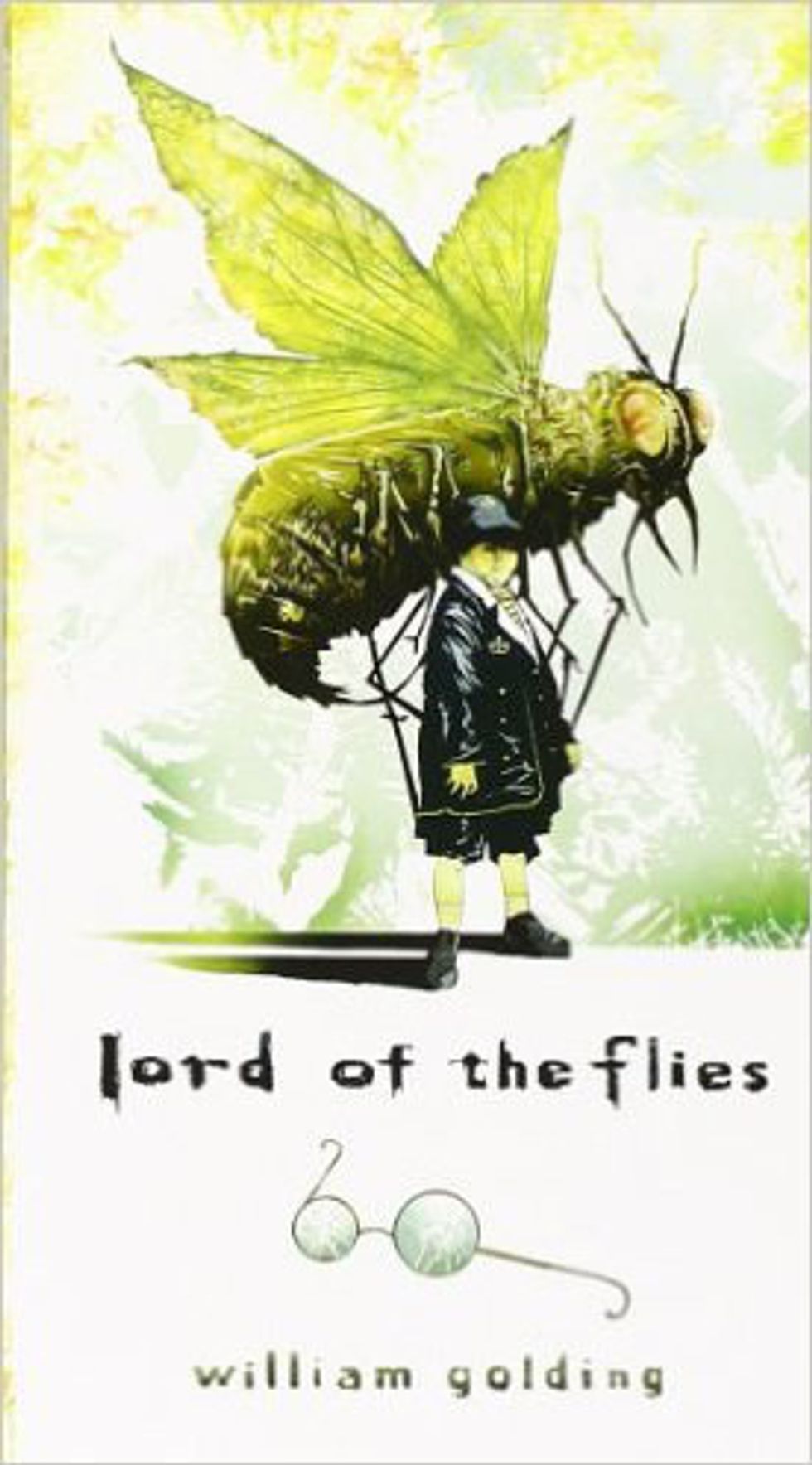
This is one of those books that’s scary because of how real it is, despite unreal scenarios. It doesn’t take readers long to get past the denial of “I would never resort to that” to understand the desperate positions in which these boys were placed and realize that “Oh wait, I would resort to that.” The novel details what happens when a bunch of boys whose ages range from child to older teenager are shipwrecked on a deserted island, creating haunting images as the stranded boys try to survive.
5. Animal Farm
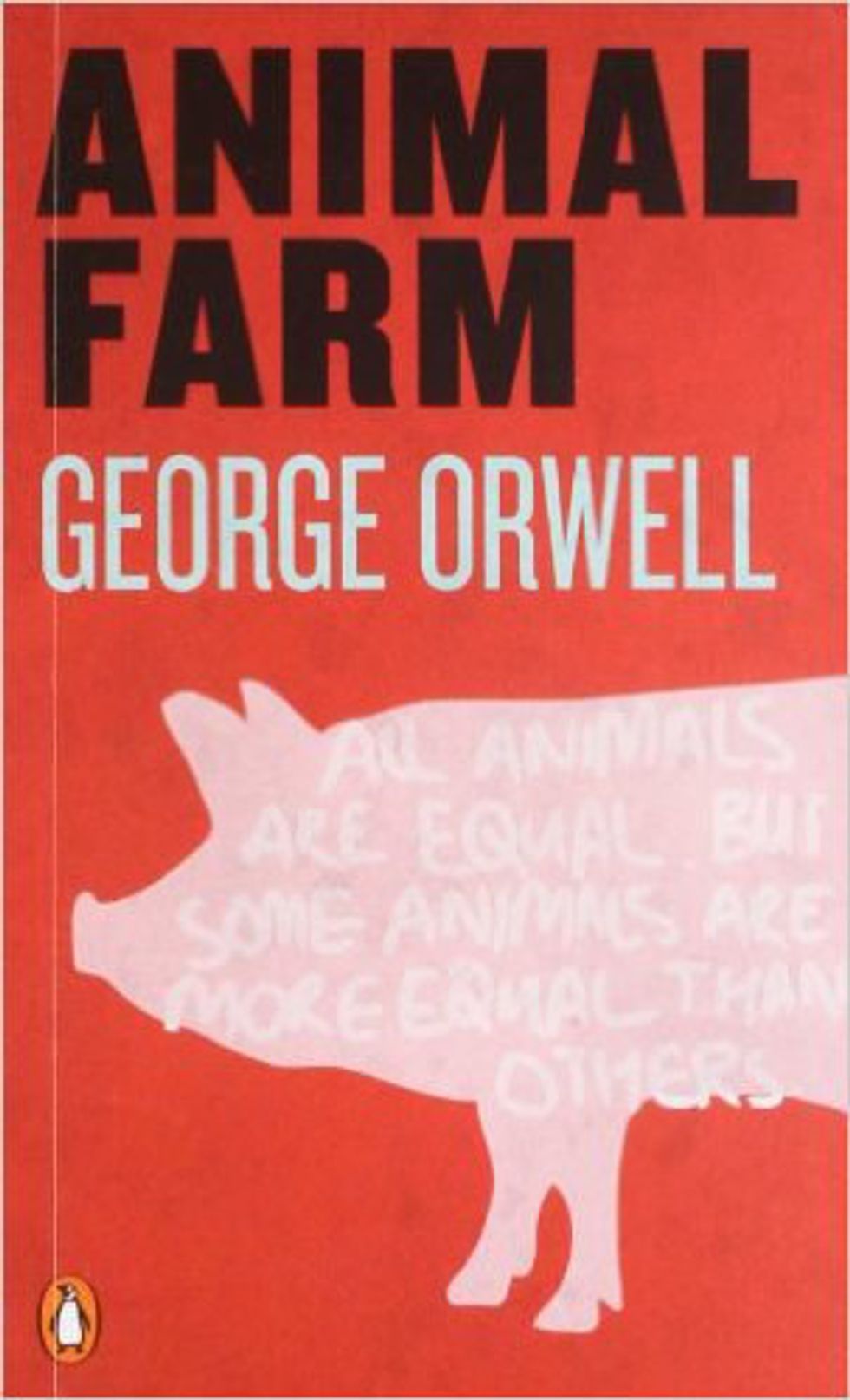
George Orwell’s infamous allegorical story mimics the time of the Russian Revolution of 1917 and rise of communism that would lead to the creation of the USSR. Watching the parallels unfold throughout the novel is nothing short of fascinating, and not only does the book help you understand literature, but history as well.
6. The Great Gatsby
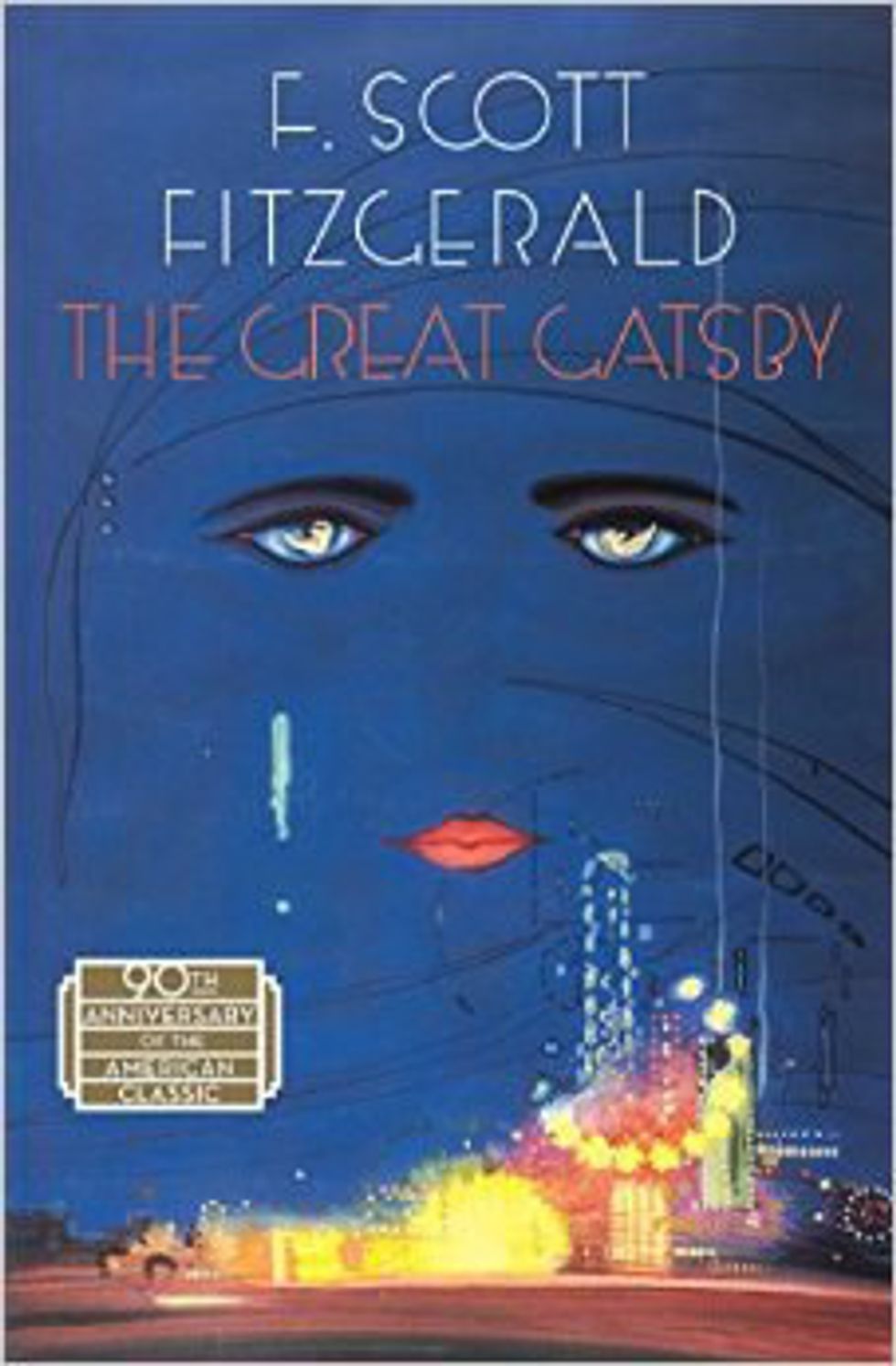
The aesthetic value alone of F. Scott Fitzgerald’s 1920’s scene would sell this novel for me. Flowering descriptions and illuminating characterizations make readers feel as though they have been dumped right into the middle of the Roaring Twenties. The tragic love story is icing on the cake, told from the third-person viewpoint of enraptured narrator Nick Carraway. With twists and turns on every page, The Great Gatsby is a book with the ability to leave readers speechless.
7. The Catcher in the Rye
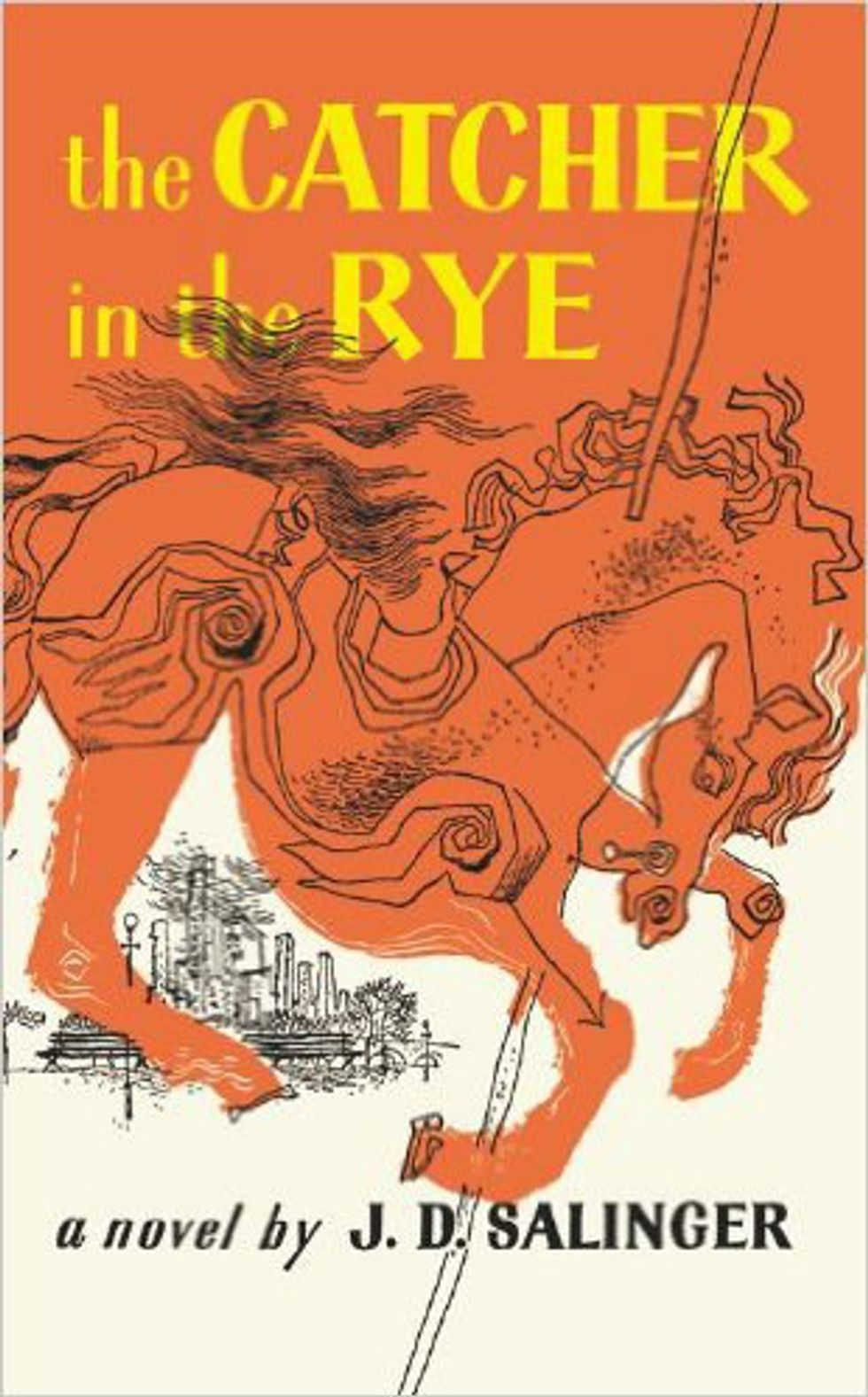
I’ve written numerous essays on Catcher, and each time, I am able to add pull something new from the book and incorporate it into my work. Driven by the complex issue of a teenager's coming of age, narrator Holden Caulfield can make readers wince at his childishness on one page and melt their hearts with his inherent sweetness on the next. It’s the perfect book for teenagers to read, as they sometimes feel as though Holden is stumbling through the same kind of problems they are. There is so much to uncover within and beyond J.D. Salinger’s words, and if taught well, this book will have a lasting impact on its readers.
Literature is messy. It is complex and difficult and sometimes, downright weird. However, if appreciated the way in which it was intended, this form of human expression can connect with people on an entirely new level. Therefore, teaching literature well is critical, especially for high schoolers. Teenagers, like literature, are messy and complex and difficult and weird. So if they can find a good book with which to connect, they can find solace in the pages that they can carry with them for a lifetime.