It was past due in June 2015 when NYC proclaimed the Lunar New Year an official school holiday. How can a large city with multiple East Asian ghettos neglect one of the (if not the) most important holidays in East Asian culture? This year, Asian children throughout the five boroughs rejoice in knowing that they can gather with their extended families and celebrate the Lunar New Year’s Eve without worrying about going to school the next day.
Even with a day off and a parade through Chinatown, most of us don’t quite understand what the Lunar New Year is all about—myself being one of those people, despite its importance in my family. For the sake of having more useful/useless information (subjective), we can just start off with some basics, courtesy of my own personal experiences and Travel China Guide.
Technically it’s the Lunar New Year, not the Chinese New Year.
We’ve become accustomed to calling it merely "Chinese New Year" because it is indeed the biggest—almost ubiquitously—celebrated holiday in China and because, let's face it, the close to 1.4 billion population certainly overwhelms other smaller countries. Some of the most well-known traditions are exclusively Chinese; still, it’s not fair to exclude other Asian cultures when we talk about the Lunar New Year. Some Koreans, Japanese, Filipinos, and even Vietnamese (to name a few) celebrate the New Year according to the moon’s cycles as well. While their celebrations may not be as extensive as those of the Chinese, the holiday is just as significant in their cultures.
The Lunar New Year follows the lunar calendar.
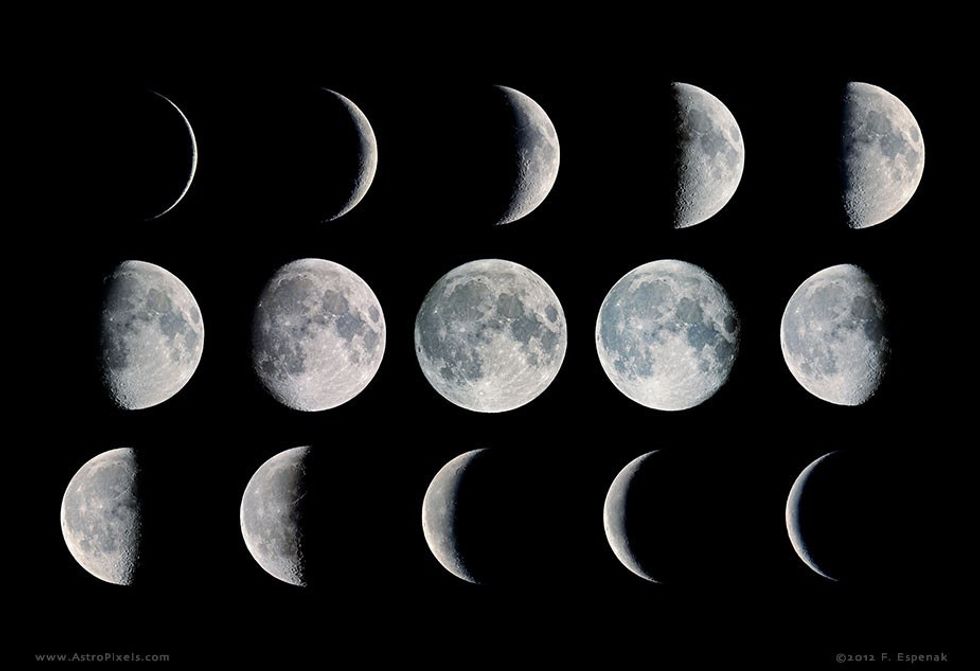
Which is why I have to look up the date every year. It’s always changing, but it always falls between the end of January and the end of February. The lunar calendar is based on—you guessed it—the moon and its phases. A new moon ushers in the new month and every month consists of however long the moon cycle takes, which is roughly 28 days. A lunar year can have 12 or 13 months because the date of the New Year relies on when the lunar month containing the winter solstice starts, i.e., when the December new moon is, the New Year will then follow two moon cycles afterward.
The lunar zodiac calendar and its accompanying animals are not dependent solely on year.
You may see the 12 animals and a list of years under each one. The list works conveniently for about 11 out of the 12 birth months, but chances are, January and February babies may not have the zodiac they would think. The years do not align with the solar calendar, but rather the lunar calendar. Therefore, depending on which specific day the Lunar New Year was in that year, you may or may not be a monkey like the rest of your classmates. Find out for sure without having to go through the past calendars with this easy calculator.

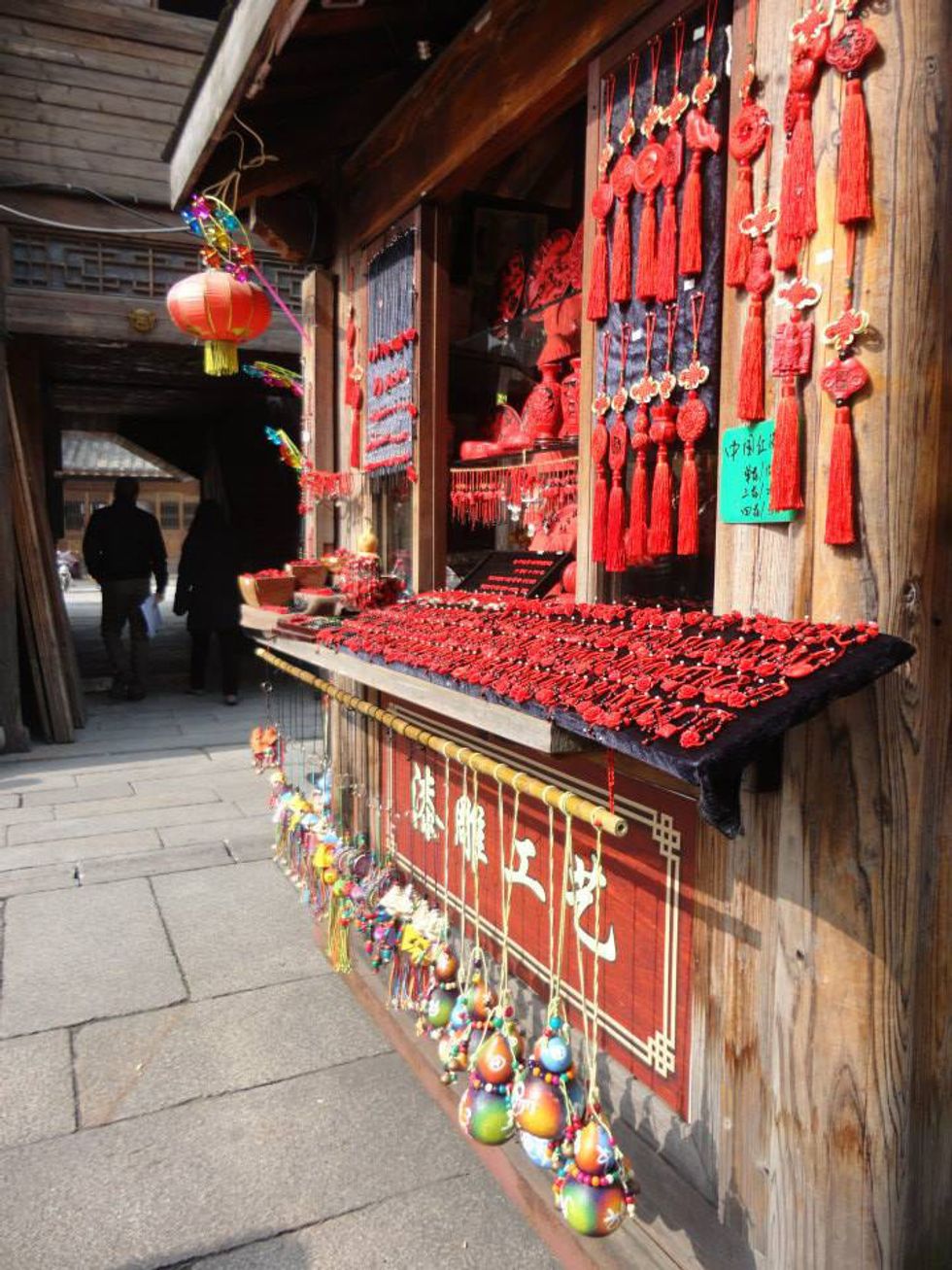
Red is good luck!
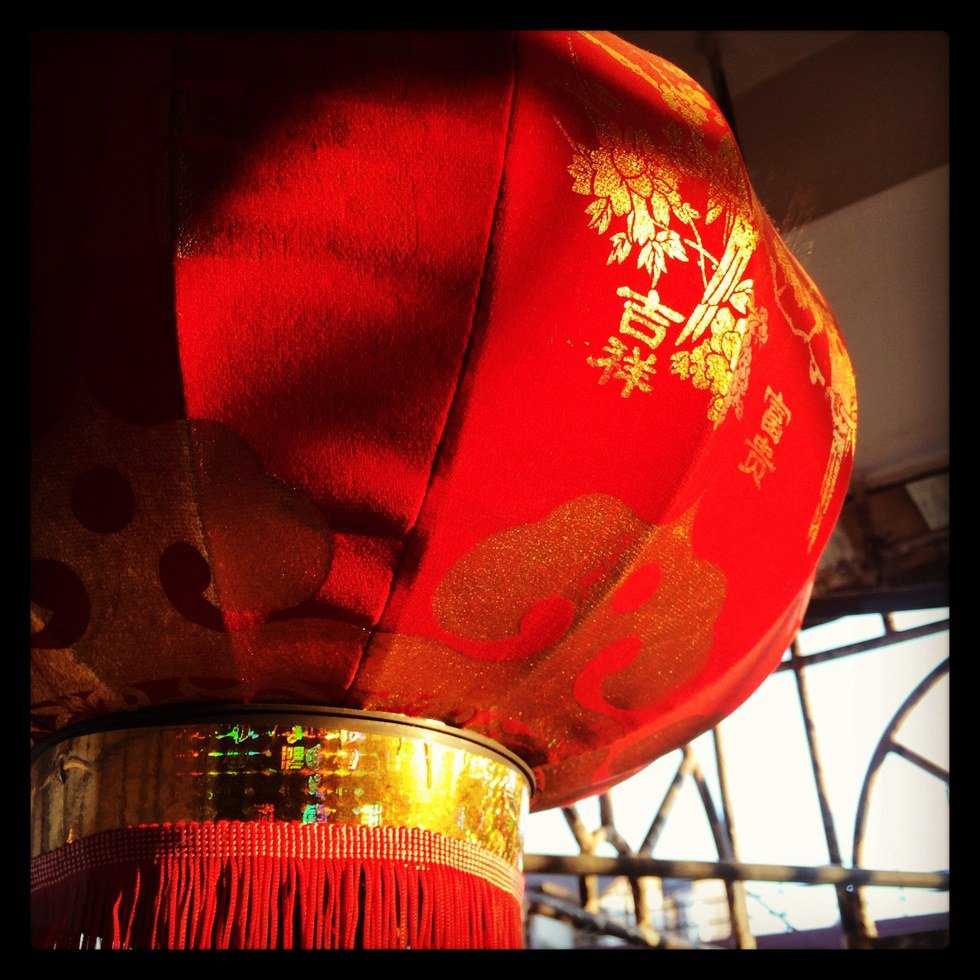
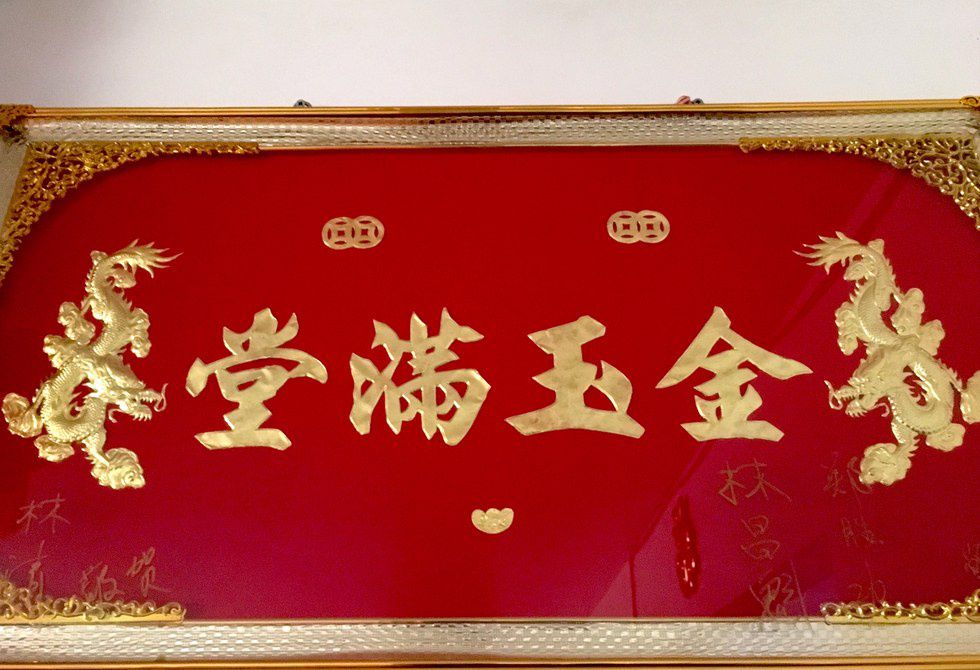
It’s all about luck, prosperity, health, and family. My family, along with billions of others, hangs red Chinese characters throughout the home and workplace to set a benevolent stage for the New Year ahead; red envelopes containing crisp bills find new owners as they are passed from elder to child; efforts to wear our best gold and don ourselves with as much red as possible are conspicuous. Whatever it is, the main goal is to welcome the positive, and we believe that red will attract that. Before that, however, we must shoo away the negative: We clean the house to symbolically eradicate the dirty past that we’ve accumulated over the last year, and we rely on our friend the dragon, with his famous dragon dance, to scare away the evils that are eager to ensnare us.

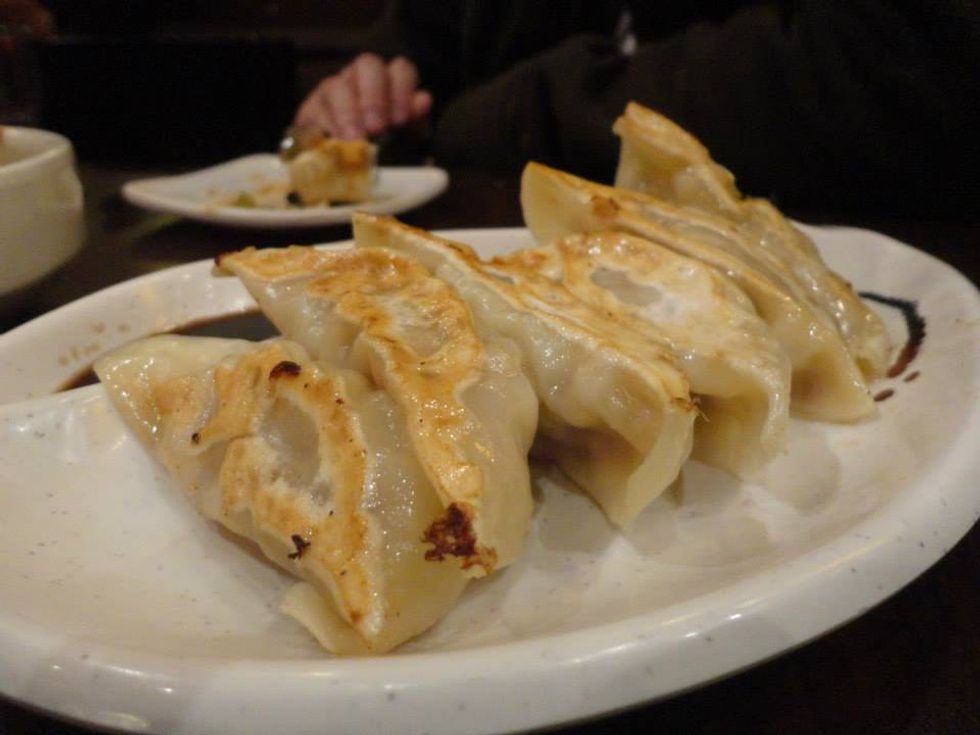
Dumplings truly are authentic Chinese food.
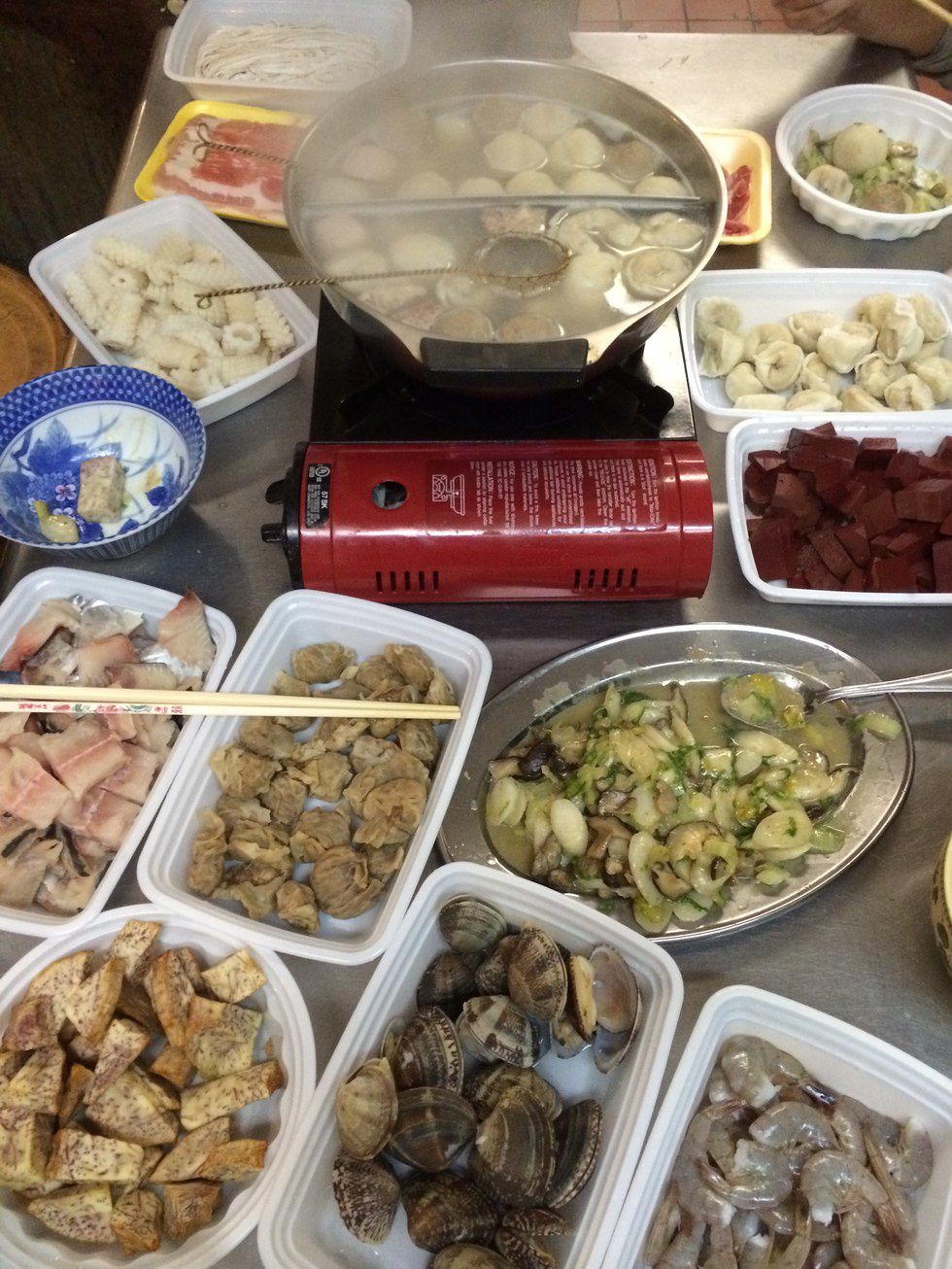
Not everything you find on the takeout menu is a lie about Chinese culture. Indeed, we do eat dumplings—among a plethora of other foods—during the New Year, and if you’ve ever watched Sagwa the Siamese Cat, you’ll know they’re a delicacy because the emperor is always engulfing them. The Lunar New Year’s Eve feast differs from family to family, but mine has leaned heavily towards seafood and hotpot: lobster, spinach, crabs, oysters, fish, and mushrooms fill the table. Don't forget noodles! They're a staple and a symbol of longevity. Of course, this differs from culture to culture as well, but as with Western holidays like Thanksgiving and Christmas, food is always always an integral part of the celebration.
With the day off, kids can not only have a worry-free, food- and fortune-filled Sunday night but also attend the pre-game the following morning at Sara Roosevelt Park. Plus the extravagant parade runs through Chinatown on Sunday, Feb. 14 this year, so there’s something you can do to take your mind off of the cheesy romance ravaging the city. Or for the couples, it's a great way to celebrate your cheesy romance—tons of red and firecrackers guaranteed.
We’ve only skimmed the surface of the Lunar New Year, which actually comes with thousands of years of history and traditions, but with its potential widespread fame in the future, soon we can all partake deeply in the celebration of well-being, fortune, wealth, and loved ones.