1. Anyone who tells you they know what's going on in the Republican primary is lying.
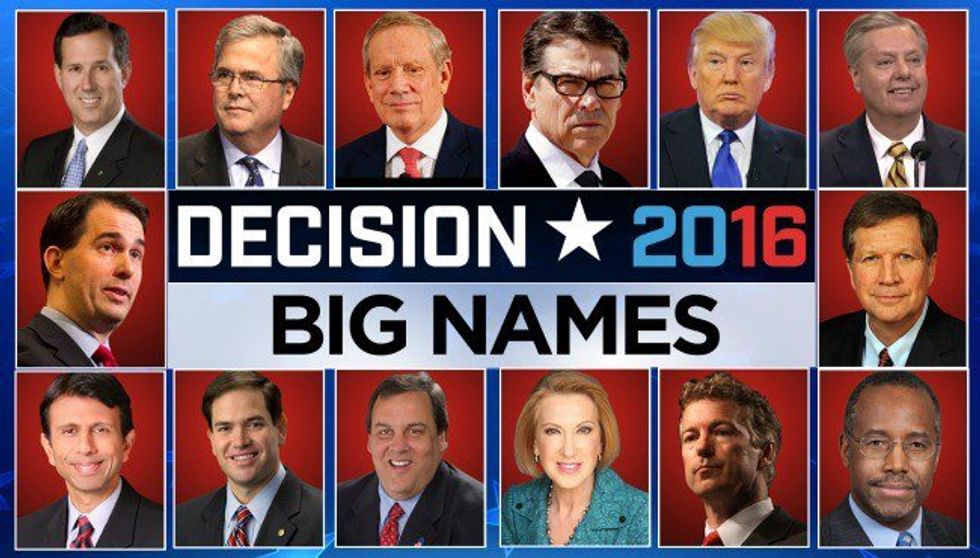
This is the most open primary we've seen in a long time. There are anywhere from six to 10 candidates with a plausible path to the nomination. Anything can happen and a million different things can change how candidates are perceived by the time we actually get to voting. The average person's guess is as good as the most experienced pundit. Predicting a winner or a top five at this point is just asking for disappointment when you're inevitably wrong. That being said, I'll go ahead and tell you exactly how this race is going to turn out.
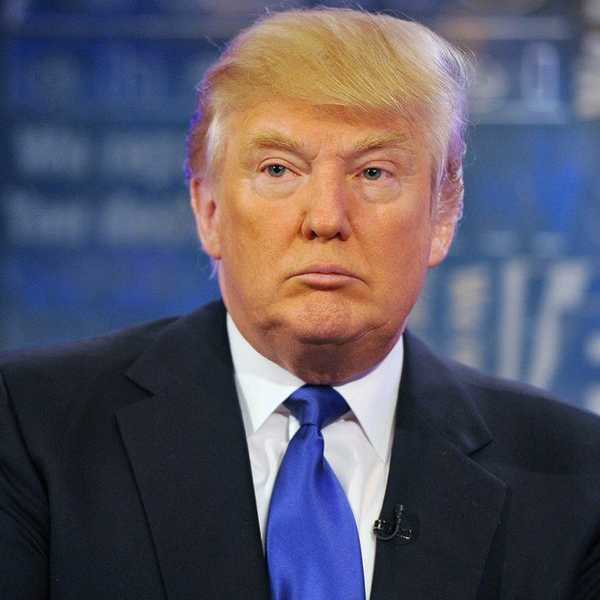
2. Donald Trump won't be the Republican Nominee.
Plain and simple, Trump will not be the Republican nominee. Early primary states like Iowa and New Hampshire are almost entirely dependent on two things: Evangelical support and strong campaign infrastructure. Trump has neither of those things. For someone who is considered a tea party candidate, he has flip-flopped on social issues. He was pro-choice before he was pro-life and he was pro-LGBT rights before he was against them. Evangelicals have a multitude of candidates who have been consistent on those issues in the past and have demonstrated that in the polls. Despite his "strong" national poll numbers, Trump has middling Iowa numbers.
Trump also has a weak infrastructure in comparison to every other candidate in the top five. New Hampshire voters are unique voters that are used to a personal, retail style of politics. Unfortunately for Trump, he hasn't done much of that and traded personal meet and greets for "yuuge" rallies. It's a new style that's never worked in the past and doesn't have much chance of working now. Unsurprisingly, losing the two first states typically means that you won't be winning the nomination.
3. Republicans have their work cut out for them in the general election.
This primary has been extraordinarily divisive and negative. Many of the party's most active supporters have picked a candidate, put everything behind that candidate, and have convinced themselves that every other candidate is the absolute worst. So then the party is faced with an extremely divided party that has the unenviable task of somehow gluing itself back together in time for the general election. The general election is going to require as much effort turning out Republicans as it will be convincing independents to support the nominee. It'll need every passionate conservative to get out and not only vote, but be an activist and convince others to vote as well. The party is up for the challenge and fortunately, an incredibly polarizing opponent will undoubtedly aid their work.
4. Hillary Clinton will be gifted the Democrat Nomination.
Hillary Clinton will be the Democrat nominee for President. She will not earn this as a winner of a fair, competitive primary, but as a result of her established friendliness towards the Democratic National Committee (DNC) and the benevolence of DNC chairwoman Debbie Wasserman Schultz. Wasserman Schultz has gleefully and publicly antagonized almost every one of Clinton's opponents, but none more so than current second place contender Bernie Sanders. The DNC publicly admitted to shutting off his access to voter files over an error that they triggered. The voter file is a lifeline for campaigns and provides them with nearly all the information they use to strategize and ID voters. Also, less openly, the DNC has limited the process to six under publicized debates held at unpopular times. It's a shameful display of favoritism that will do nothing but hurt its own base in the future.
5. The Democratic Party is about to have its Tea Party moment.
Frustrated by a recent string of losses in Congress and at the state level, the Democrat base has grown increasingly uncomfortable with the ideological tone of the party. While this frustration can usually be kept quiet by a strong national organization, the rise of Bernie Sanders has given the frustrated base a voice. There's real potential for that base to not be as motivated by Clinton and to not turn out in the way they've turned out for President Obama. It is imperative for Clinton to work to unite that base behind her if she wants to win the White House in November.