


It’s that time of the semester: all-nighters, procrastination, and stress. Yes, that first month of getting by on attending lecture is over. Time to hit the books for 30 percent of your grade! If your classes are anything like mine, “midterm” is an extremely misleading name for exams that are supposed to take place once during the middle of the semester. After the first midterm, it’s like being on a midterm rollercoaster that is impossible to get off of without failing. Then, just when you think you can take a breath of relief and catch up on that Netflix series, you are put on a rollercoaster for finals. After a year of successfully surviving the dreaded midterms, I have learned a thing or two.
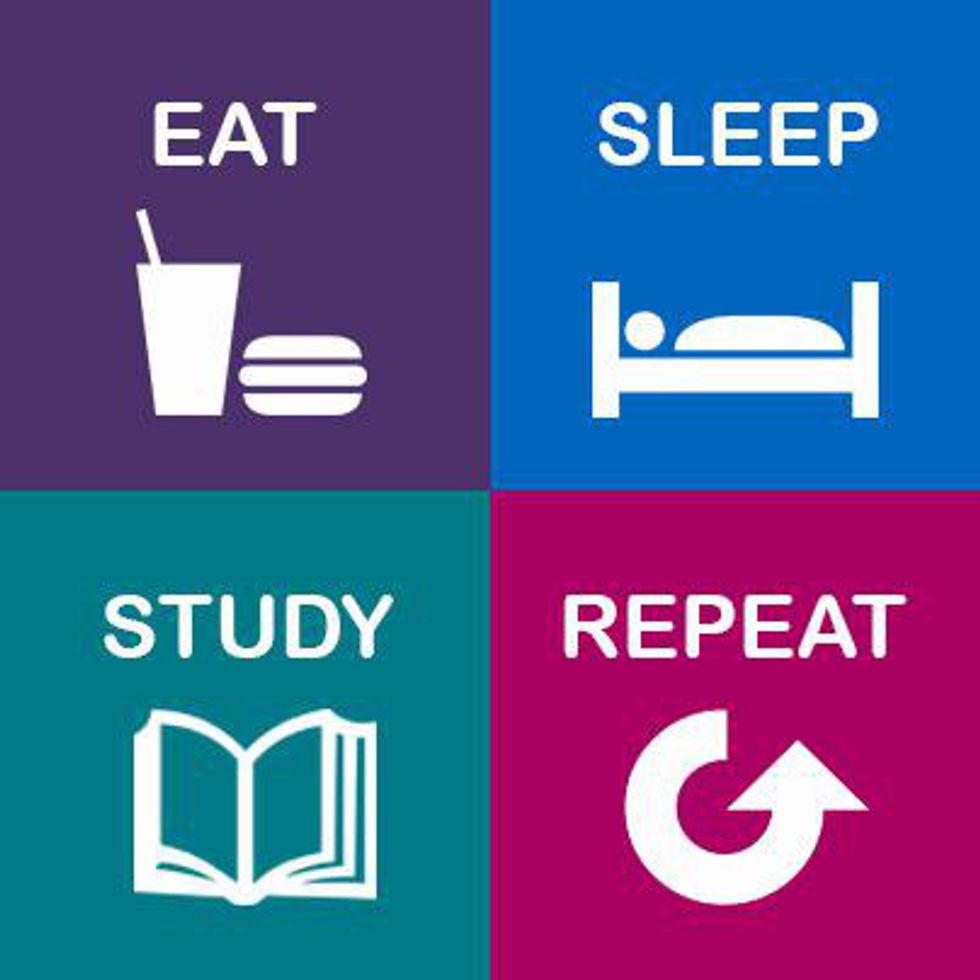
1. Eat and Sleep
I know, everyone says it: concerned parents, professors and advisers. However, this is worth mentioning. Many studies suggest that lack of sleep and an empty stomach not only affect your mood and emotions, but can also damage your study performance. A grumpy mood, headache, growling stomach, dry eyes, and fatigue are horrible conditions for studying. There is no point in wasting precious time and energy in half-memorizing concepts. Instead, take a couple of minutes to eat a snack or take a power nap. It is also a smart idea to keep healthy snacks in your study space, such as fruits, nuts, or granola bars, just in case you forget to eat.
2. Manage Your Time and Stay Organized
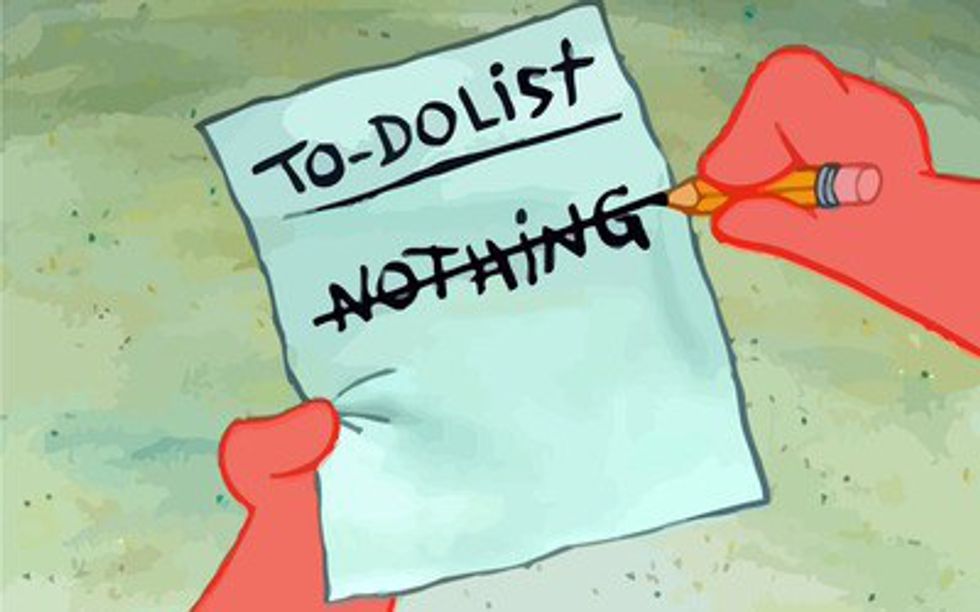
Wouldn’t it be nice if you had all your time to study for midterms? However, there's homework, term papers, group projects, and club meetings to attend to. This is why it is important to keep an organized agenda, or a to-do list at the least. An agenda allows you to plan out your entire week to give you perspective on how much free time you have to study. To-do lists will give you peace of mind and keep you from over-thinking about all the assignments you have to complete. A to-do list can include group study sessions, alone review time, and time for other activities. This way, you will avoid leaving important assignments until the end. It is much better to do a little work each day a couple weeks in advance of your midterm than overwhelming your brain with a month of information the night before.
3. Study in a Comfortable Environment
Everyone is different. Some can study with larger groups, some study in partners, and others feel best studying alone. Whatever your preference is, make sure to create a quiet and peaceful environment. Whether it’s at a coffee shop, the library, or your dorm room, make sure to remove distractions and avoid distracting people. If you enjoy listening to music while you study, make sure it’s not too distracting that it will make you lose focus. Overall, make sure you are in a comfortable environment where you feel you can retain the most information in the easiest way possible.
4. Take Breaks, You Deserve It!
It’s a familiar scenario: you have been studying for hours, possibly all day, and suddenly everything seems confusing. You’re getting distracted at the smallest concepts, and nothing makes sense anymore. This might be a sign that it’s time for your brain to take a break. A study break should not be too long. Use this time to do something that does not distract you from studying. For example, eat a snack, relax, listen to some music, exercise, or read. Do not watch “just one” youtube video or episode of your favorite show; your “study break” will turn into a binge-watching session, and you will waste precious study time. Trust me.