
At my conservative uncle's Christmas party in winter 2007, 12-year-old Andy stood around as the adults in the room talked politics. Much of the attention was given to the usual suspects: Could John McCain learn his lesson from his 2000 defeat? What did Hillary Clinton have that John Edwards didn't? The conversation lasted many hours and several glasses of wine, but only cursory recognition was given to then first-term Illinois Senator Barack Obama--as my dad put it, "What about that skinny black guy with the funny name?"
A little less than a year later, my parents walked out of our local polling place teary-eyed. In their minds, that same skinny guy from Illinois was about to be the next President of the United States. A young black man, born in Hawaii, hailing from Chicago, was about to bring northern liberal tradition back to the White House for the first time since John Fitzgerald Kennedy. His message of hope and change swept the nation that campaign season, and nobody was entirely sure what happened. All we knew was that we were ready for whatever was about to come next.
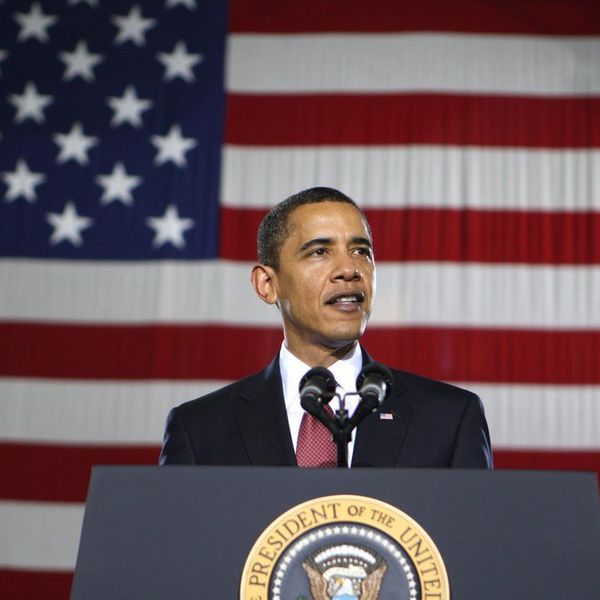
A few months after that, in January 2009, my parents and I were at it again. This time, we were helping a larger, older African-American woman over a jersey wall near the Smithsonian castle in Washington, D.C. It was Barack Obama's inauguration day, and we'd be damned if a little three-foot concrete barrier was going to keep anybody from witnessing this history. That day, over a million people braved temperatures in the low teens to watch Barack Obama take the oath of office. The next day, Obama would start putting into motion an action that would shut down the American prison at Guantanamo Bay. Obama's campaign promises of universal healthcare, stricter regulation of Wall Street, and American retreat from two ill-advised wars in the Middle East seemed less like a matter of if and more one of when. Backed by a Democratic majority in the House and Senate, it seemed that Barry O's legacy as a progressive reformer was merely a formality. The nation was charged with infectious positivity, and Barry O seemed perfectly placed to capitalize.
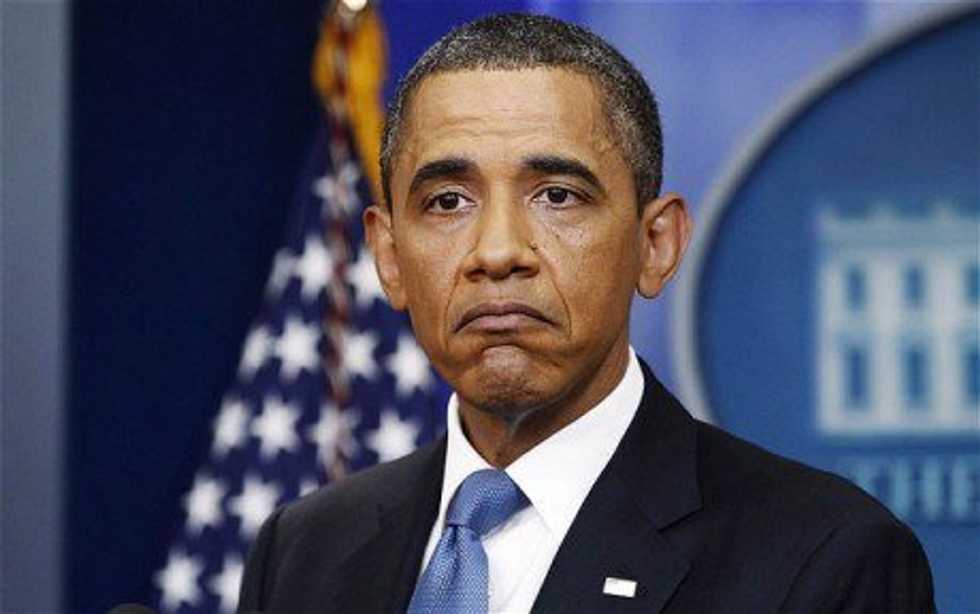
Fast-forward seven years, from January 2009 to January 2016, and Obama's legacy is cementing in a far more controversial fashion than he would like. Before our eyes, the man who wouldn't stop talking about the future is quickly becoming past tense. His State of the Union address acknowledged as much--as much as it looked forward, he managed to look back and celebrate the achievements of his time in office. Obamacare stands, defended (albeit gutted) by the Supreme Court, despite near-constant fights for its repeal from Congressional Republicans. Gay marriage is becoming law of the land, not just a controversial liberal fantasy. The United States has dialed back its military involvement overseas and held landmark diplomatic talks with Iran. Although it gave him quite a few grey hairs and wrinkles, Barack achieved a significant amount in his eight years, especially when considering the obstructionist work done by Congressional Republicans.
Barack Obama's signature policy achievements--retreat from wars in Iraq and Afghanistan, establishment of the Common Core, some recent tentative gun regulations, bank and auto industry bailouts, not to mention the notorious Obamacare--will always be controversial, hotly debated topics along partisan lines. In a way, this is a sign of their importance; after all, true progress takes real work.
But Barack Obama was never merely a policy wonk of a president--more than anything, he was the product, and harbinger, of social change. Obama's message of hope and change, as trite as it may be, was incredibly impactful and significant. 2008's primaries and general election saw minority voters, particularly black ones, turn out in unprecedented numbers to support Obama, and rewarded him with the Presidency. Even in a national climate governed by fear mongering and hateful divides, Barack Obama somehow retains a 47 percent approval rating. More than ever before, the importance of Barack's campaign slogans of hope and change rings true. The difference in tone between the State of the Union and the subsequent Republican debate, for example, was stark and horrifying. Barack was calm, assured; he acknowledged the threats and hardships of the modern world, while remaining confident in America's ability to pull through. A few days later, the clown car that is the Republican primary made it sound as if the world is burning to the ground around us. The world is still a chaotic, imperfect place; however, eight years after he began to make these promises, Barack Obama has given the people of the United States change to believe in.
My dad insists that Barack Obama is the best president of his lifetime. Only history can determine the true impact of his legacy; however, it's undeniable that Barack Obama altered the course of America in a way that few individuals ever have or will.