Most people have a particular image of someone who considers themselves an "introvert." Maybe they think of the shy person from their high school class who never raises her hand, or perhaps the geeky kid who hides behind a book and sits by himself at lunch. Very few believe introverts can be leaders, public figures, or even party hosts.
Introverts will tell you, however, that many of the stereotypes about us are based on an incorrect definition of the word. We have so many different personality traits and interests that can't be encompassed by the single aspect of preferring "alone time," and most of us are tired of the false assumptions about being introverted. Here are six of the most prominent incorrect ideas about what it means to be an introvert.
1. We can't be loud or talkative.
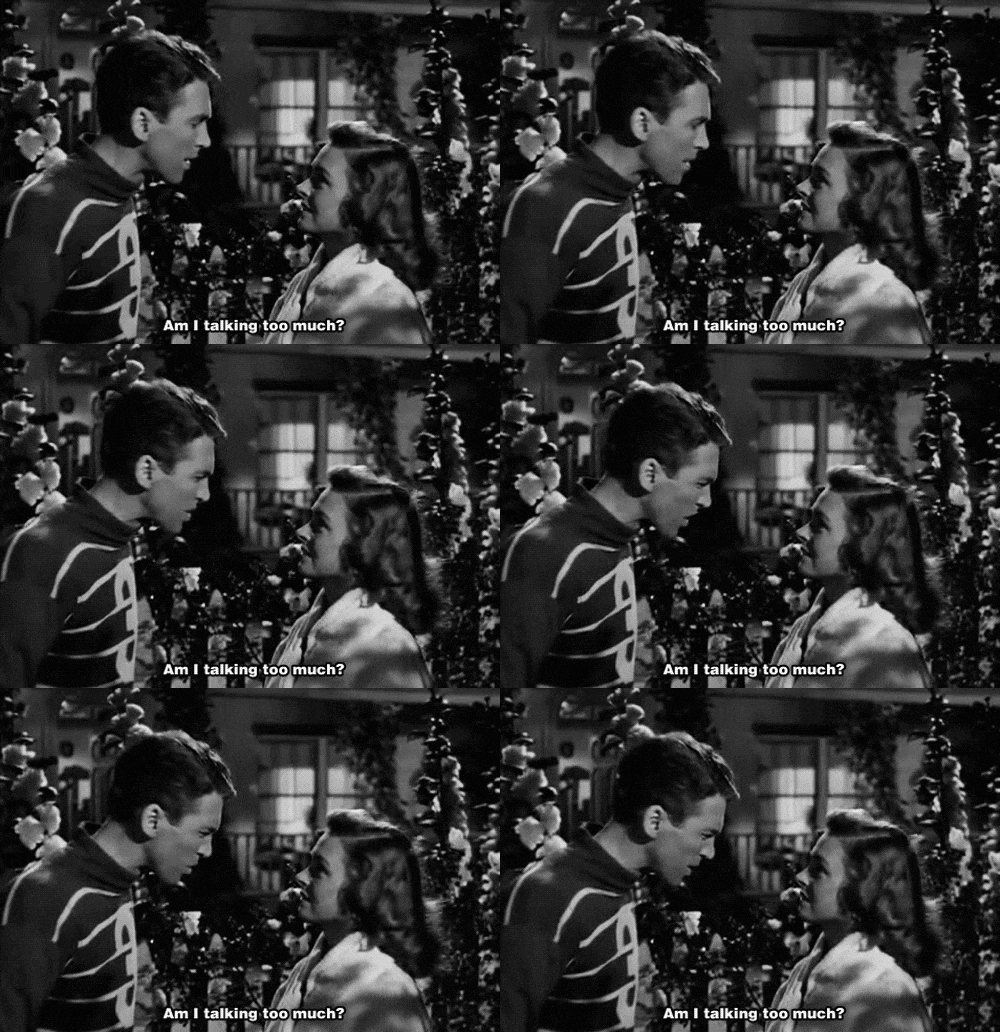
First, let's reiterate a key fact: "Introverted" does not mean "shy." It simply means that a person needs some time away from large groups to recover from the stresses of everyday life. We introverts get our energy from being by ourselves as opposed to with others, as our extrovert peers do. Nothing in the definition of "introvert" says that we can't be chatty; in fact, quite a few introverts will admit that sometimes they don't shut up, especially when they're with their friends. It's just a matter of company and other aspects of an individual's personality that determine talkativeness.
2. We'd rather be dead than at a large party.

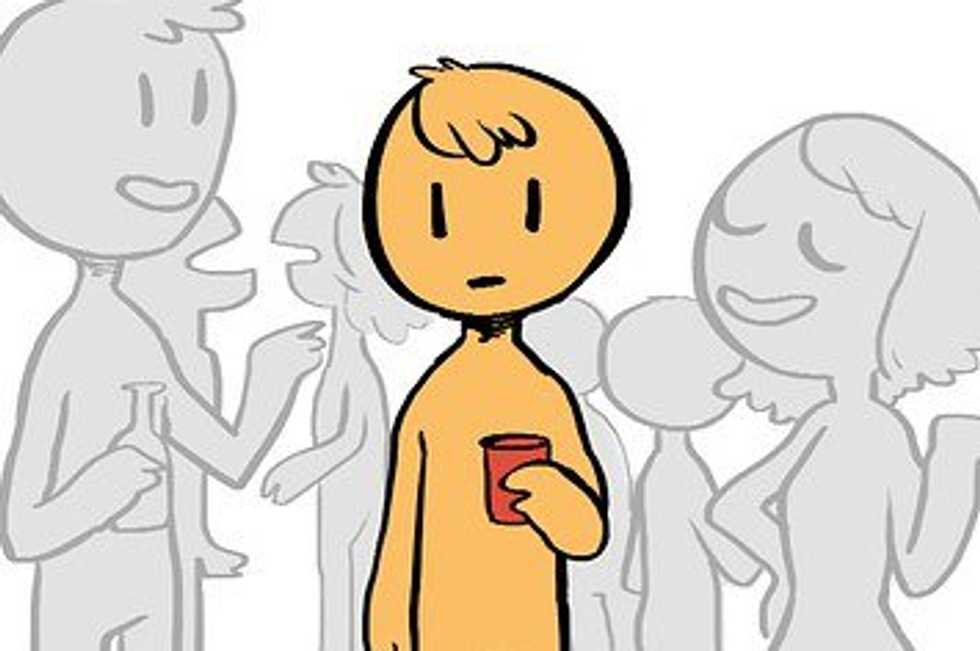
Some introverts don't mind going to parties— as long as they have adequate time to recharge by themselves. Many of us go to appease our friends' constant nagging and "encouragement" (most of which is well-intended). Given the choice, however, most introverts would prefer to stay at home and curl up with a pet and a good book.
3. We're unfriendly and unapproachable.

Introverts don't hate people. Many of us have a large circle of friends who we enjoy hanging out with regularly, and we also like meeting new potential friends. Although we need to recharge by ourselves or in very small groups, introverted people can and do find pleasure in being social at times.
4. We hate performing or speaking in public.
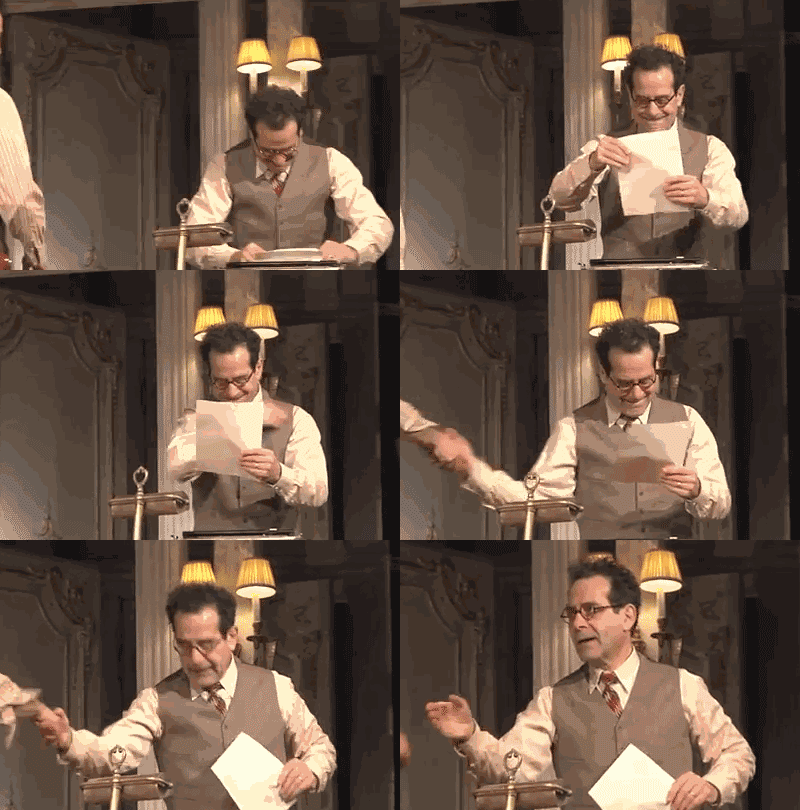
As an introverted drama geek, I'm living proof that this isn't always true. Both introverts and extroverts can be nervous about performing in front of a crowd – it's a daunting task. Many times, skilled actors are so absorbed in their roles that their own personalities don't ever appear in their portrayal of a character. Plus, there have been quite a few famous and extraordinary public figures who happen to be introverts, like Barack Obama and Eleanor Roosevelt.
5. We don't like to be involved in athletics or clubs.
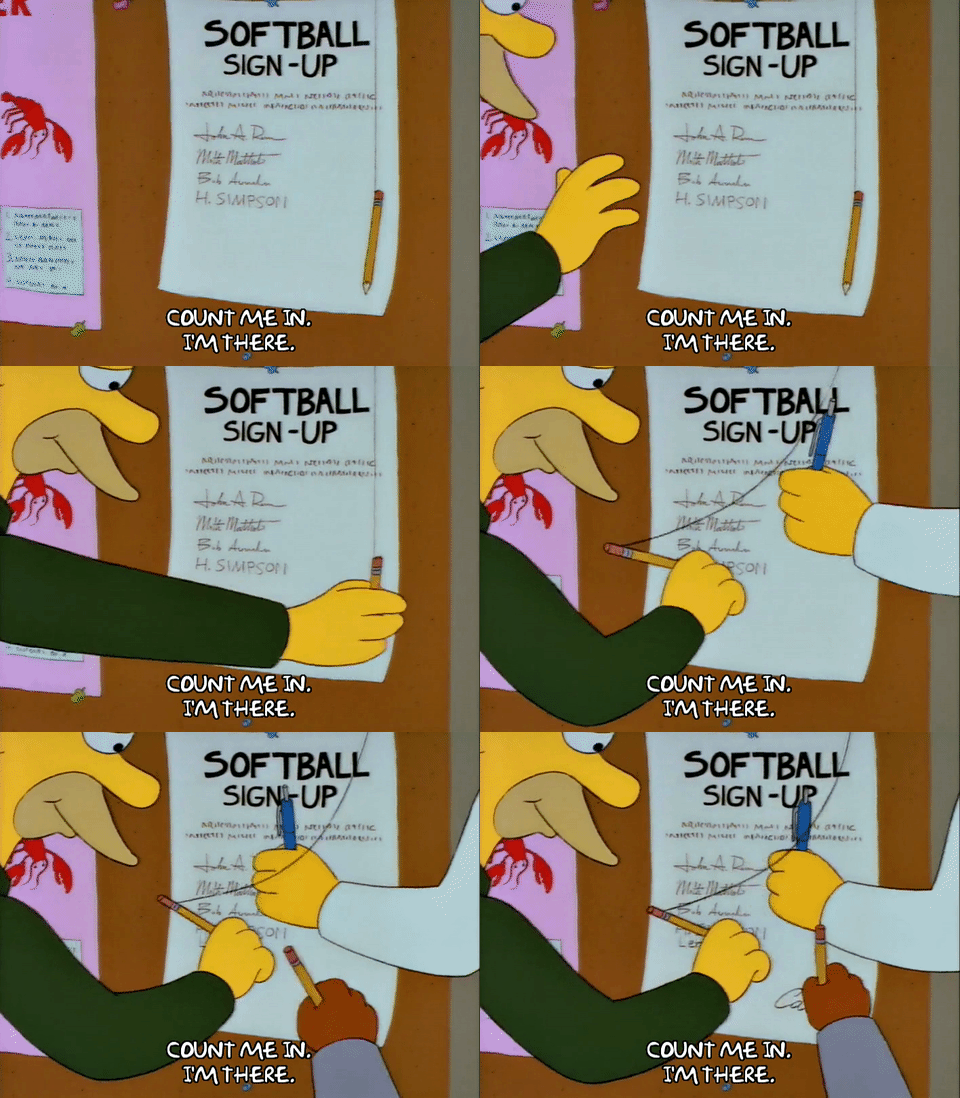
Extracurriculars provide a key outlet for introverts to socialize without feeling overwhelmed or drained. Even team sports require a level of focus and introspection that can work in an introvert's favor. A significant number of the top athletes of all time, particularly in basketball, consider themselves to be introverts.
6. We can become extroverted if we work on it.
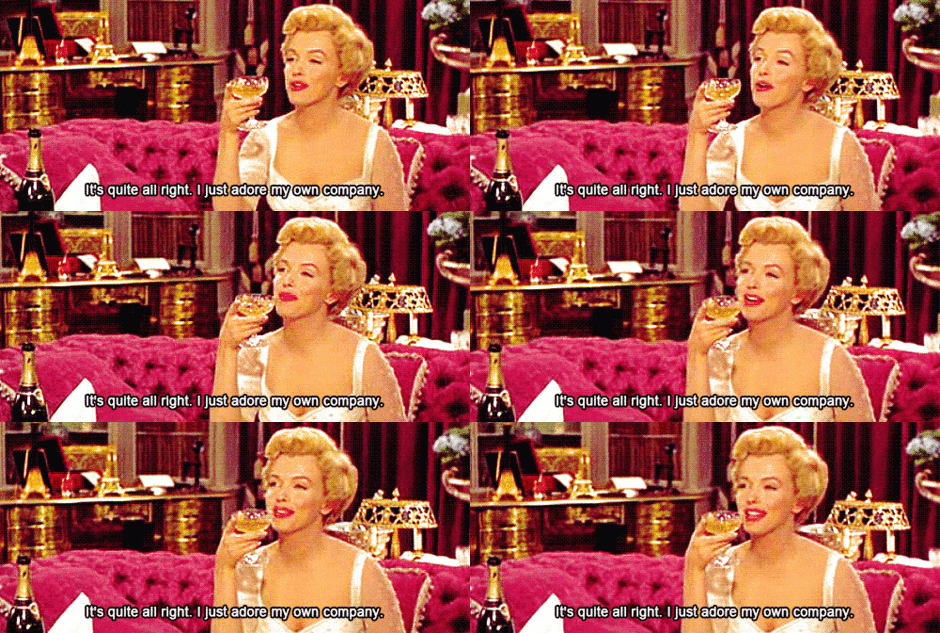
Again, introverts are not always shy people, so encouraging them to "break out of their shells" is, for the most part, rather useless. Making sure we don't isolate ourselves is an important job for friends of introverted people, but trying to change such a key part of our personality just won't work. Besides, there's nothing that needs to be changed about introverts. Saying that we should alter our personalities implies that there's something wrong with needing alone time to relax.
So, extroverts, don't leave us out from your party invites, but don't be surprised if we need a night to ourselves. Maybe you'll even snag an invite to watch a movie in pajamas with us.