
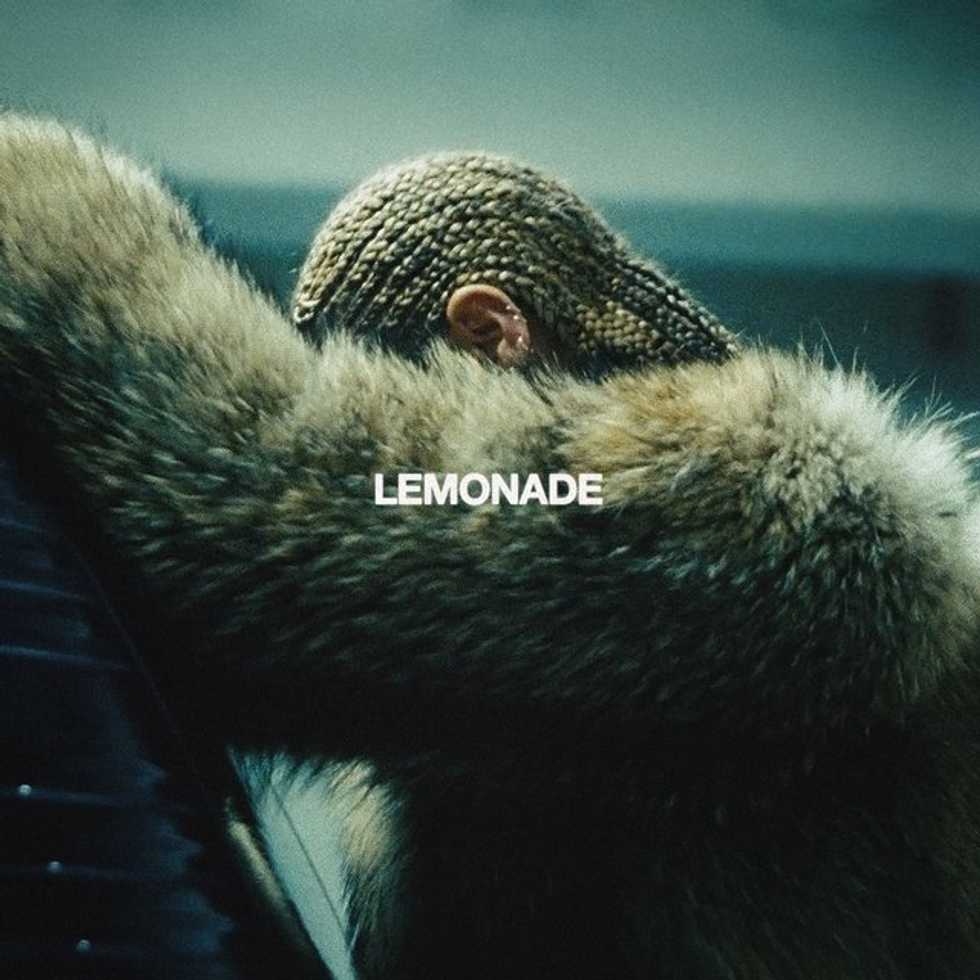
Beyoncé’s latest release, “Lemonade,” is an expertly executed exercise in thematic conciseness. The album explores not only the singer’s relationship with her husband Jay Z, but also racial and gender identity and empowerment with grace, all backed by an astoundingly eclectic production. It is this nearly flawless execution of the eclectic nature of the album that solidifies “Lemonade” as not only a unique piece of contemporary art but also as Beyoncé’s opus.
The eclectic nature of “Lemonade,” when dissected, shouldn’t work. How can an album feature songwriting credits from a cast of characters as diverse as Jack White and Kendrick Lamar? These two artists don’t exist on the same plane of artistry -- they are fundamentally and ideologically different. And the fact that this coexistence not only works, but works well, is surely a testament to the thematic cohesiveness of the album -- that is, they work as a whole only because they exist within the same thematic canon.
One of the most compelling songs, when viewed in this lens, is “Hold Up.” The track sonically manifests as a catchy pop song. Originally produced by Diplo for Ezra Koenig of indie band Vampire Weekend, the track was optioned to Beyoncé, and then further worked on by Joshua Tillman, better known as indie rocker Father John Misty.
The track truly does have an indie feel, aided by an additional lyrical credit to Karen O of the Yeah Yeah Yeah’s (in the repeated refrain “they don’t love you like I love you” from “Maps”). However, Beyoncé flawlessly navigates the track and makes it her own, aided by personal references to her own marriage to Jay Z.
Conversely, the track features a lyrical reference to Soulja Boy Tell ‘Em’s track “Turn My Swag On,” adding an astoundingly accessible esotericism to the track. The idiosyncrasy of “Hold Up” serves as a microcosm of “Lemonade,” an album seemingly overstretching in several directions yet gracefully manifesting itself within the canon of pop music. This sort of juxtaposition of the featured writers and samples within the album, all tied together neatly by Beyoncé’s lyrical exploration, is a true testament to artistry.
Why is this important? “Lemonade” clearly shows a new musical direction for Beyoncé -- one that transcends traditional understanding of pop music. This transcendence manifests as an establishment of an almost boundless set of sonic parameters for popular music. For an artist with an established sound and fan base to not only go experimental but to execute experimental this well while still maintaining accessibility in terms of radio play is, as far as I know, unprecedented. Sure, plenty of artists release experimental or demi-experimental works, but few are able to achieve the immediate success and nearly universal critical acclaim of “Lemonade.”
On a personal level, as someone who has been sort of ambivalent about Beyoncé's career to this point, to see an established artist take such an extraordinary artistic leap is not only refreshing -- it gives me hope that this transcendence of established tropes will be emulated by more artists.
Overall, the artistic expansion that Beyoncé undergoes with "Lemonade" is what truly establishes the album as not only a work of contemporary art, but also as her opus.