The answer would be yes: an olive, just like a plum or a cherry, is a fruit. The olive is the small, bitter-tasting fruit of the olive tree(Olea Europea). They belong to a group of fruit called drupes, or stone fruits, and are related to mangoes, cherries, peaches, almonds, and pistachios.
This article tells you everything you need to know about olives.
Olives are classified as a fruit because they're formed from the ovary of the olive flower, and they're seed-bearing structures - those small stones (or pits) that you leave on the side of your plate could grow into trees if you planted them. However, olives are like those other fruits, tomatoes, and are treated as a vegetable.
Olives are one of those foods that can range from simple to exotic—from a basic black to a vibrant green, from very mild to super salty. They can be eaten alone out of hand or incorporated into recipes. And in many cases, you either love or hate this small-sized fruit, or you may prefer a particular variety. There are 5 common types of Olives.
The Culinary Culture of Olives
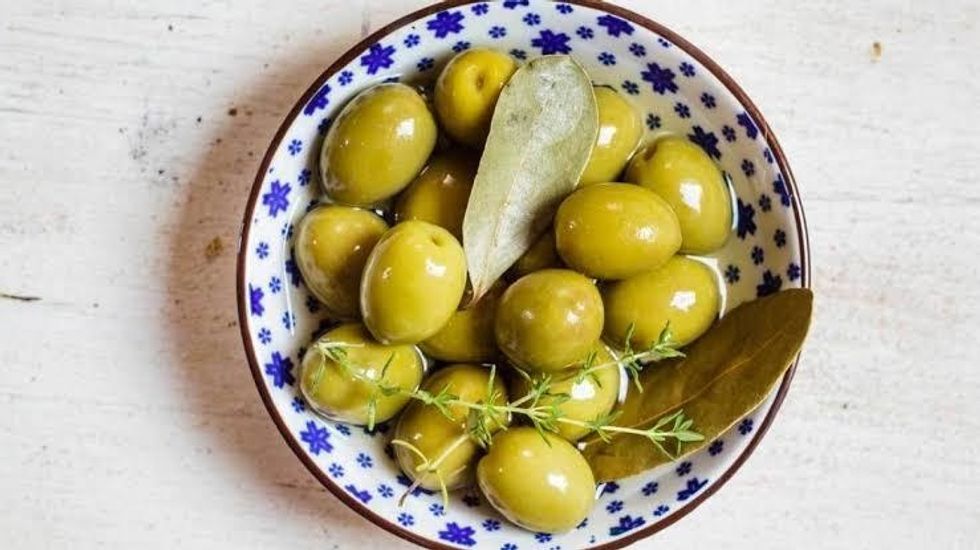
In culinary terms, however, olives are like those other fruits, tomatoes, and are treated as a vegetable: we eat them in savory dishes or on their own as a snack. Olives are often enjoyed in salads, sandwiches, and tapenades. Even dogs can also eat olives.
Because olives are very bitter, they're not usually eaten fresh. Instead, they're cured and fermented.
The lowest levels of bitter compounds are found in ripe, black olives. They can be eaten alone out of hand or incorporated into recipes.
Nutrition Facts of Olives
Olives contain 115–145 calories per 3.5 ounces (100 grams), or about 59 calories for 10 olives. It also contains water, protein, sugar, carbs, fiber, fat. Olives are an unusual fruit because of their high-fat content. Their most abundant fat is oleic acid, which may have several health benefits. Olives are a good source of vitamin E, iron, copper, and calcium. They may also contain high amounts of sodium if packaged in saltwater.
Olives are low in cholesterol and a good source of dietary fiber, which the body needs for good gut health. They are also rich in iron and copper.
Health benefits of Olives
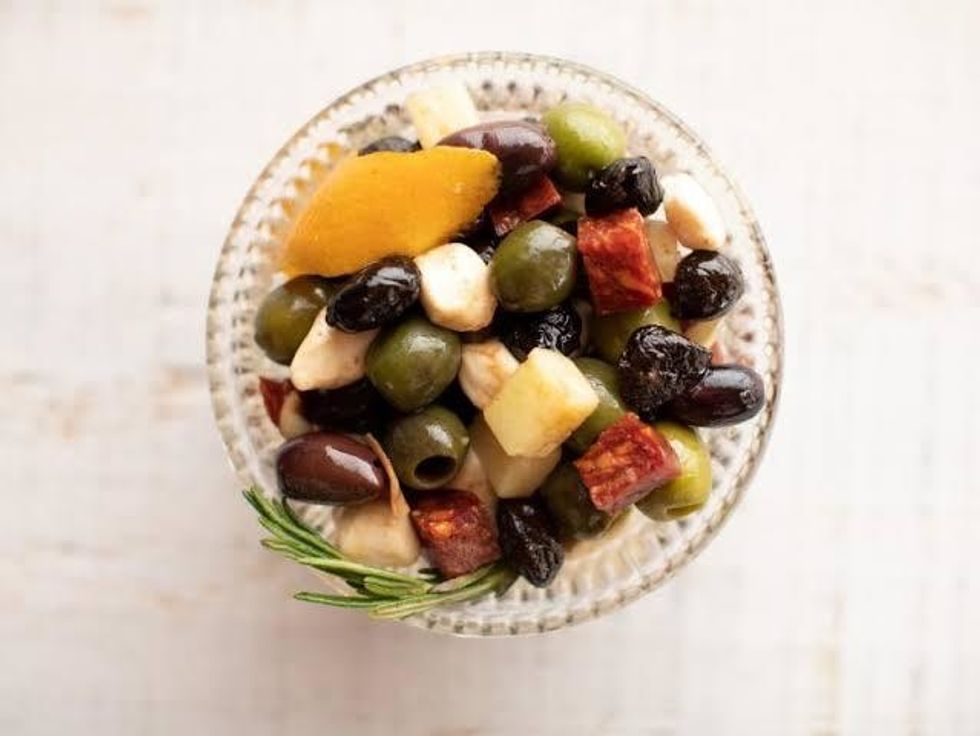
Olives are very high in vitamin E and other powerful antioxidants. Studies show that they are good for the heart and may protect against osteoporosis and cancer. The healthy fats in olives are extracted to produce olive oil, one of the key components of the incredibly healthy Mediterranean diet. Olives are very rich in antioxidants that may contribute to a variety of benefits, such as lower cholesterol and blood pressure. They may also reduce your risk of cancer and bone loss, but more research is necessary.
Oleic acid, the main fatty acid in olives, is associated with improved heart health. Furthermore, some studies note that olives and olive oil may reduce blood pressure. Some of the plant compounds found in olives and olive oil have been shown to help prevent bone loss in animal studies, and it also benefits hairs.
It's possible that olives may help reduce your risk of cancer.
It Turns Out Olives Are Actually Fruits
Whether you primarily eat them with martinis or sprinkle them on your pizza, olives make just about everything taste better. But while you might consider that tapenade a savory treat, the flavorful Mediterranean delicacies have another hidden side: They're technically fruits. Just (carefully) pop any unpitted olive into your mouth for proof.
The stones inside act as the seeds for the Olea europaea tree. In any botanist's book, that means they're technically classified as fruits — specifically, a kind called drupes, i.e., stone fruits.
Olives are a savory and delicious addition to meals or appetizers.
They're low in carbs but high in healthy fats. They're also linked to several health benefits, including improved heart health. Olives are usually well-tolerated, and allergy is rare. However, they may contain small amounts of heavy metals and high concentrations of salt. Some varieties may also contain acrylamide.
This stone fruit is very easy to incorporate into your routine and makes a great addition to a healthy, whole-foods-based diet.