
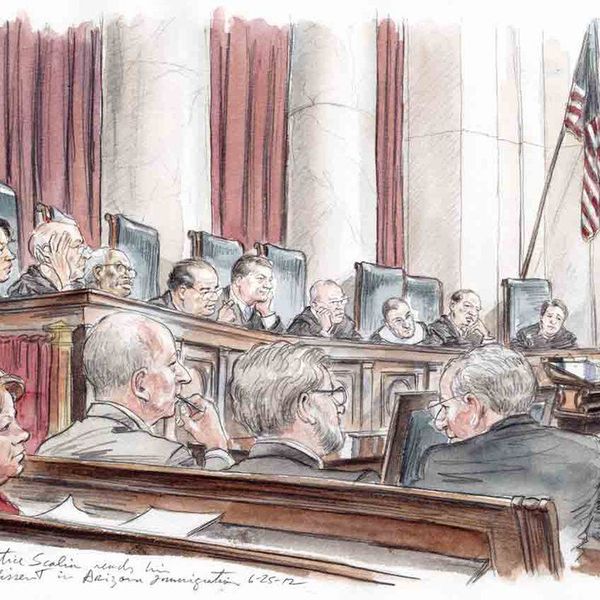
Last week, the United States said goodbye to Supreme Court Justice Antonin Scalia. As we and our country mourn his recent passing, we cannot help but be mindful of the implications of the new vacancy in the Supreme Court. Scalia, a conservative, held a critical position in the court system, as he kept a conservative foothold in a judicial system that has, in recent years, become increasingly more politicized. According to Wall Street Journal writer Peggy Noonan, “Conservatives… took succor from his bracing 30-year presence on the bench. The country, and the court too, benefited: With his fierce dissents Scalia helped people accept decisions with which they disagreed.”
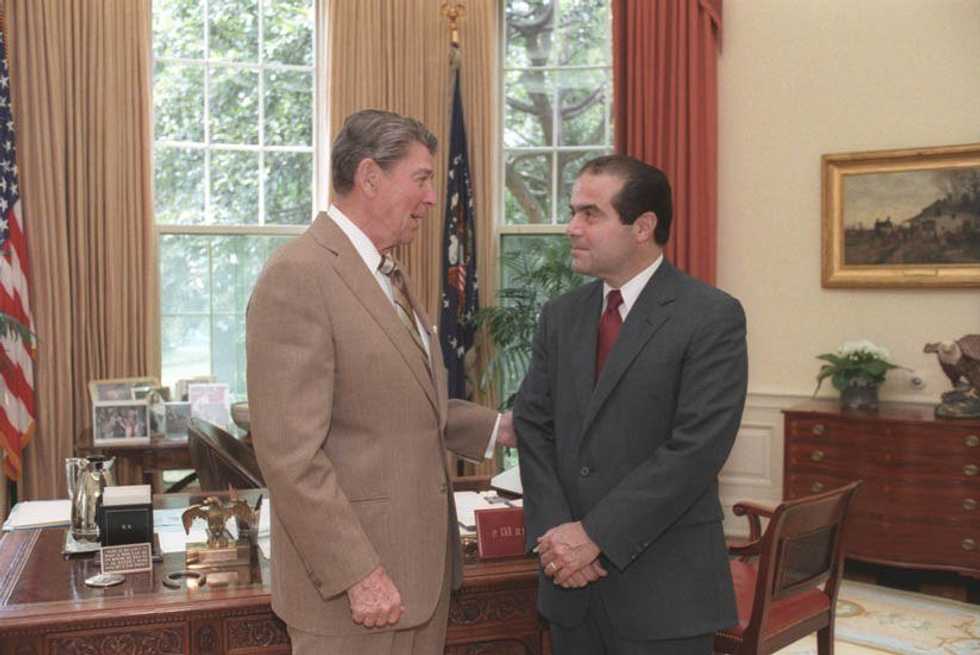
Born in 1936 in New Jersey, Scalia served as a justice of the Supreme Court for almost 30 years. A conservative since his appointment to the Court by President Reagan, Scalia’s ideology could best be described as “originalist,” meaning that he preferred to abide by the original implications of a law or legal text, which he believes should remain preeminent and should serve as precedent for current rulings. Also implied by this originalist stance is that Scalia took the meanings of the U.S. Constitution to be the same as when the Founding Fathers penned the document in the early years of the nation.
A politically split Supreme Court has ruled over and currently holds the fate of several critical cases in its hands. With the death of a conservative judge comes the implications that the balance of political ideologies and, thus, the balance of justice (which is now increasingly tainted by political partisanship) could be swayed to a side that is either more liberal or more conservative. The current 4-4 split in the Court causes the United States to anxiously await the appointment of Scalia’s successor by President Obama. How will the Senate resolve the issue of who to approve for the vacant post? Undoubtedly, this decision will result in a simultaneous outpouring of happiness or unhappiness for United States citizens, depending upon what political frame of mind the people ascribe to. This rare situation leads me and others to ask: How is justice measured in this day and age, and how will that change as we move forward?
Justice Antonin Scalia passed away in his West Texas home at the age of 79 due to natural causes. Thank you, Justice Scalia, for your years of service to this country, and we hope to find someone to fill your position and carry on your legacy of pursuing justice.
(Sources: The Washington Post, Wikipedia, The Wall Street Journal)