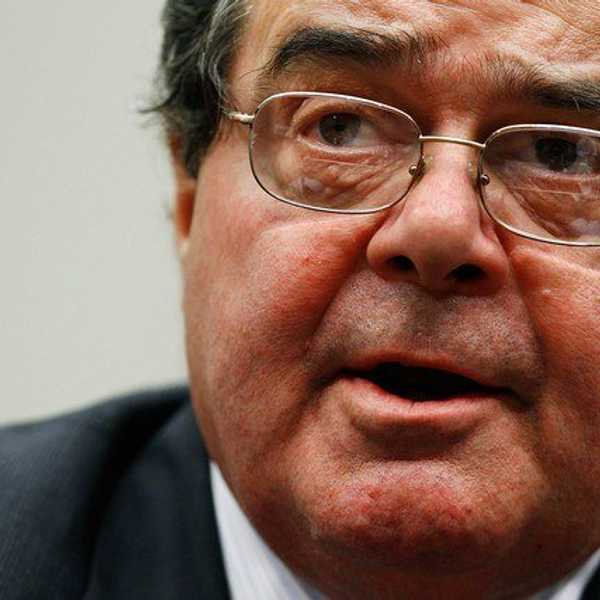
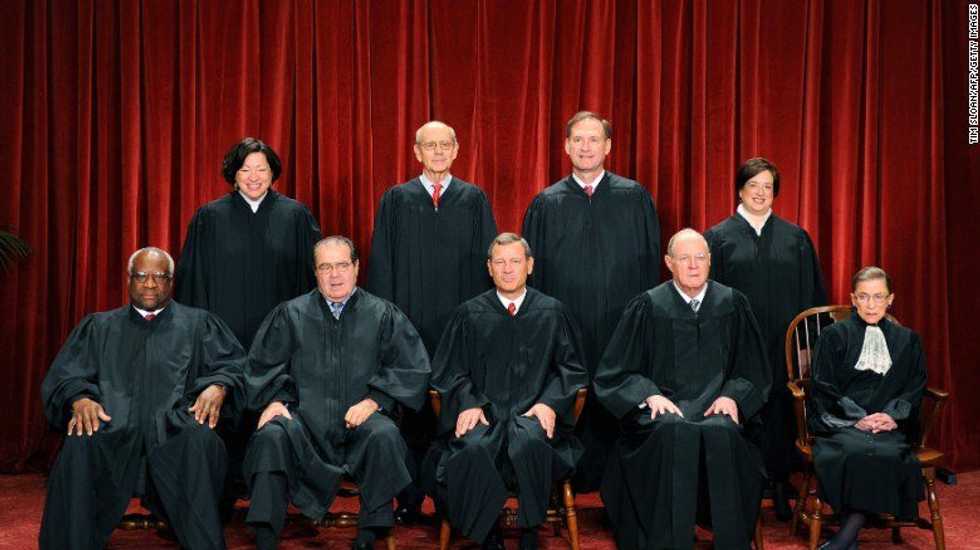
Justice Antonin Scalia’s death is a definite game changer in the American political system – especially with the upcoming election and severe polarization of Democratic and Republican parties. Until President Obama appoints a new justice in Scalia’s place, the Supreme Court consists of eight justices and an even divide of liberals and conservatives. With the new justice replacement pending and a transitional period in politics in full force, the question is whether there will be any form of efficiency within the political system during a time when politics is currently in a state of unpredictability.
President Obama, who was persistent in announcing his plan to appoint a new justice while he maintains presidential office, needs to take action quickly, as he will soon be replaced on January 20, 2017. Republicans are set on making the addition of a new justice a challenge for the president. It should not come as a surprise that they are encouraging President Obama to step back and allow the next president to choose who will replace Scalia. Democrats, however, are pushing him to make a decision as soon as possible, while there is still the assurance that a democratic president will have the ultimate say.
Senate Minority Leader Harry Reid stressed the importance for President Obama to make a decision soon: “It would be unprecedented in recent history for the Supreme Court to go a year with a vacant seat. Failing to fill this vacancy would be a shameful abdication of one of the Senate's most essential constitutional responsibilities.”
On the other side of the isle, Senate Majority Leader Mitch McConnell wants the American people to “have a voice in the selection of their next Supreme court justice,” a statement that clearly has a motive behind it, because the American people already had a voice when they decided to elect President Obama.
The events that will imminently take place during the time it takes for President Obama to select a Supreme Court justice will determine whether the current political system is becoming outdated or whether it can be sustained moving forward. Who decides the next Supreme Court justice and where that justice stands on the issues are questions of major importance. The Supreme Court has many important cases on their hands in 2016, including “race in college admissions, how far states can restrict abortion, the viability of public sector unions, whether President Obama could defer deportations of unauthorized immigrants, and the tension between claims of religions freedom and […] access to contraception.” These decisions will be life-changing for Americans, and choosing the right justice to attend to what the people want is essential in preserving American democracy.
There are currently rumors of a possible replacement in mind – D.C. Circuit Court Judge Sri Srinivasan. Srinivasan works as the Obama Administration’s principal deputy solicitor general – with credentials that leave him well-suited to serve as a Supreme Court justice. His moderate liberal ideals have been compared to those of justices Sonia Sotomayor, Elena Kagan, Ruth Bader Ginsburg, and Stephen Breyer.
The impending selection of a justice to take Scalia’s long worn-in spot will determine many Americans’ futures and all of their freedoms. This year American politics is anything but dull, as we now have both the election and the fate of the next Supreme Court justice to keep us on the edge of our seats.