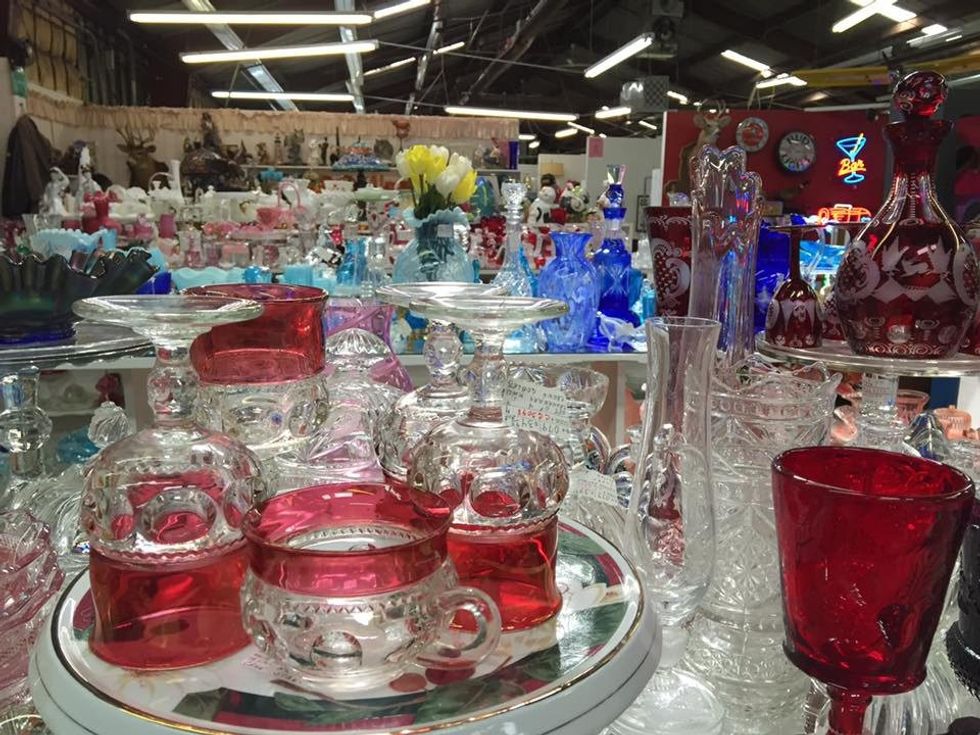
Multitudes of dust flakes float across a musty room. Random items are strewn along metal and wooden shelves, all of which are adorned with printed cursive on white price tags. These are the archetypal images of nearly all antique shops.
I have always noticed that 99 percent of those who antique are older than me. This wasn't very telling when I was a kid, but it still continues 20years later. While most millennials have never stepped foot in an antique shop, I have been inside hundreds across the country, the result of road trips and antique-loving parents.
To me, this age trend has never made sense. Even if I never buy anything, there is something peaceful and satisfying about walking up and down endless rows of abandoned or unwanted items. Antiques give their stores personalities beyond what food chains, convenience stores or online shopping do, and this is something most millennials don't realize. While we personalize everything from our dorms and offices, to our phones and laptops, we have not demanded this same individualization in the places we shop.
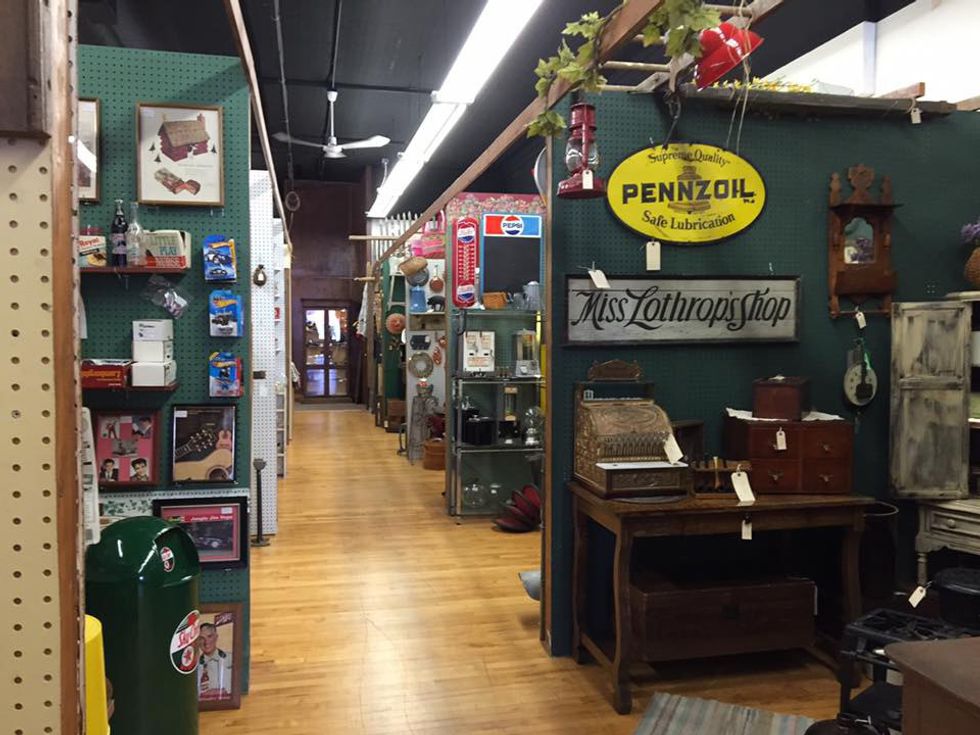
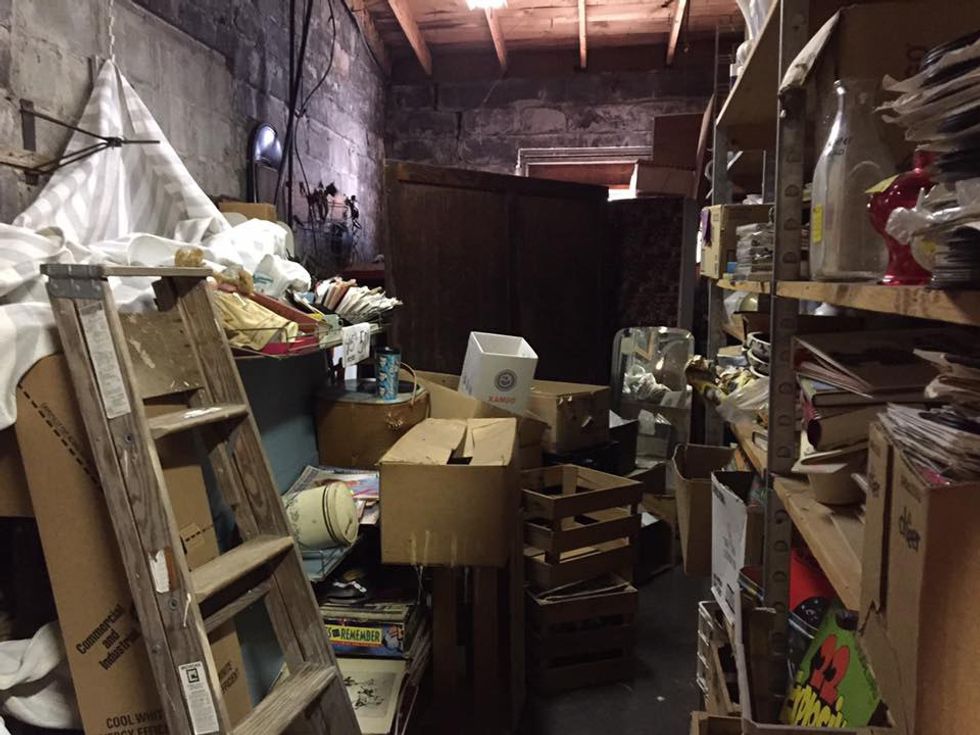
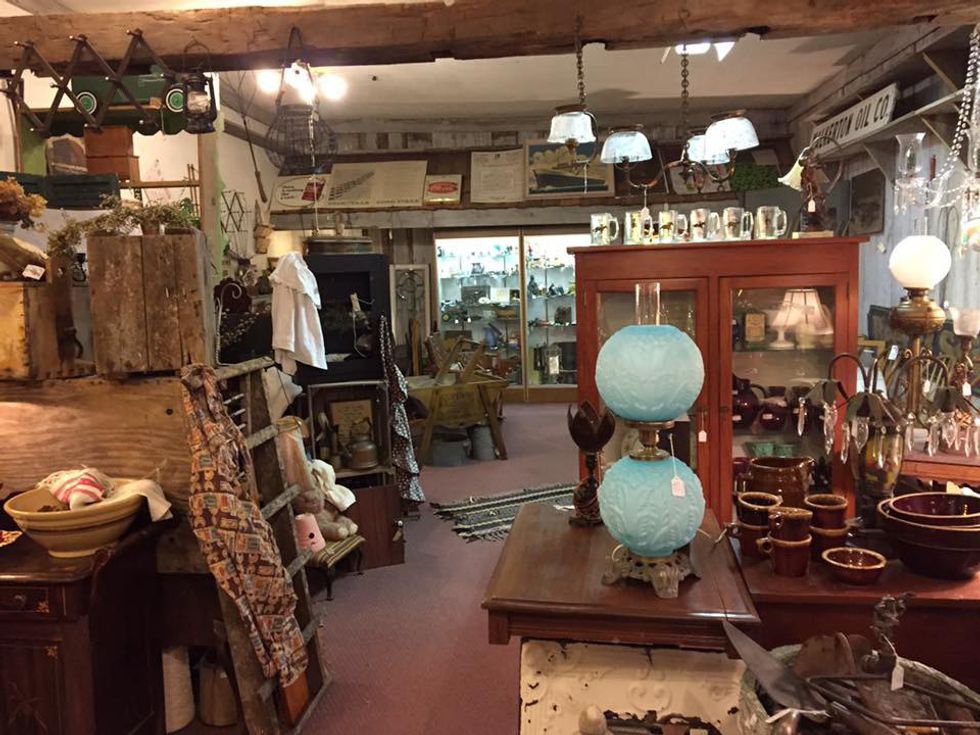
There is a unique yet predictable charm to each and every antique shop. Layouts range from sparsely organized to densely packed, but oddly enough the music is almost always reminiscent of an older time, with a few shops preferring the latest Christian music. Every item has a story, an old past that was forgotten, while simultaneously seeking a new future with whoever buys it. Just like a small business or local boutique, antique stores possess an added charisma that Target and Walmart could never portray. Below are some images that showcase how different each store is. The middle one may look a little scary, but you can't deny that all three have personality!
A myth that may discourage the thrifty buyer from visiting may be their reputation for being overpriced. While this can certainly be true, most of the time items are reasonably priced, with the occasional steal. The reason items are expensive should be because sellers presumably had to work to find them, they are in excellent condition or they are extremely rare. With the power of eBay and Amazon, knowing if something is a good deal or not is one Google search away. The same items are commonly sold for different prices, even within the same shop (or antique mall), so it pays to do some research on the desired item. Additionally, you always have the option of asking the person at the register for a discount when making a large purchase (it normally ranges from 15-20 percent off).
But the best part about antique shops is the thrill of the hunt. When I visit, many times I will have something specific I want in mind, like a table or dorm decoration. I could easily go to Kmart and search their college stuff, but there is nothing like the search for the unexpected. Because there are so many and they change their inventory, each visit brings something new. You feel special buying these items because you know that they can't easily be found elsewhere. Something I like to collect are pieces from the Capris Blue Depression dish set, which dates back to the 1920's. Every time I visit a shop, I wonder if I will find the rare serving bowl, a common plate and cup, or nothing at all. This ultimate game of hide and seek can only be played at antique shops, as they are more likely to have these items than a thrift store.
You may already see the value in shopping at Goodwill or Savers, but you need to give your local old time antique store a visit. You may even walk away with a treasure you didn't know existed, until you saw it and knew it was yours!