
The day he began to appear on nearly every news channel, headline, and story, I made a promise to myself: I would never write about Donald Trump. I intended to devote as little time, thought, and conversation to him as possible. I was satisfied in concluding that he was a joke of a candidate who people from all political parties recognized as someone they did not need to take seriously.
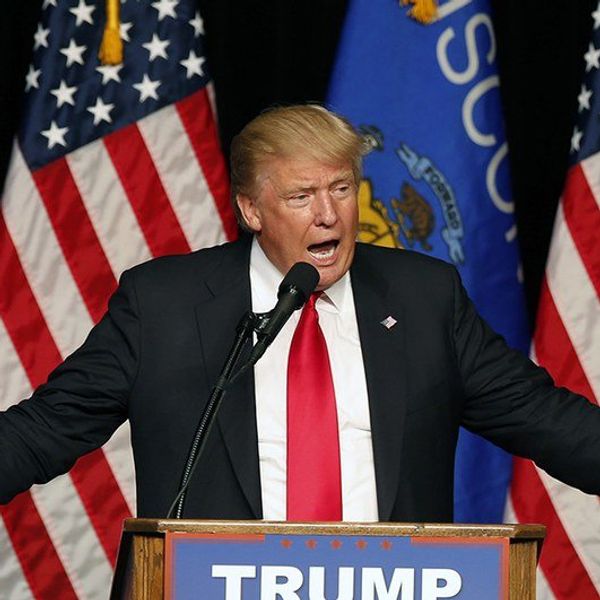
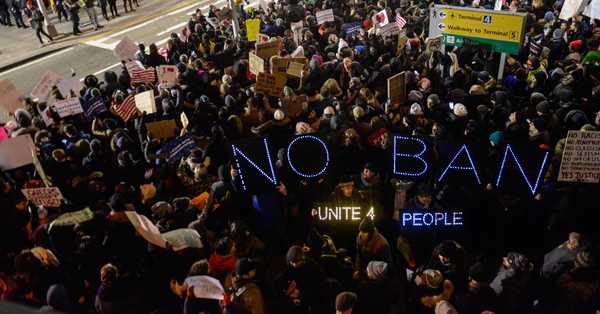
But then just a little over a week ago he proposed America place a ban on Muslims, and my resolve started to weaken. When a presidential candidate passionately supports an inhumane policy that America has executed in the past and regrets today, the determination not to care begins to fade. When over half of one of the most powerful political parties in the country does not condemn this ban but rather supports it, I can no longer ignore Donald Trump, and I can no longer not fear him.
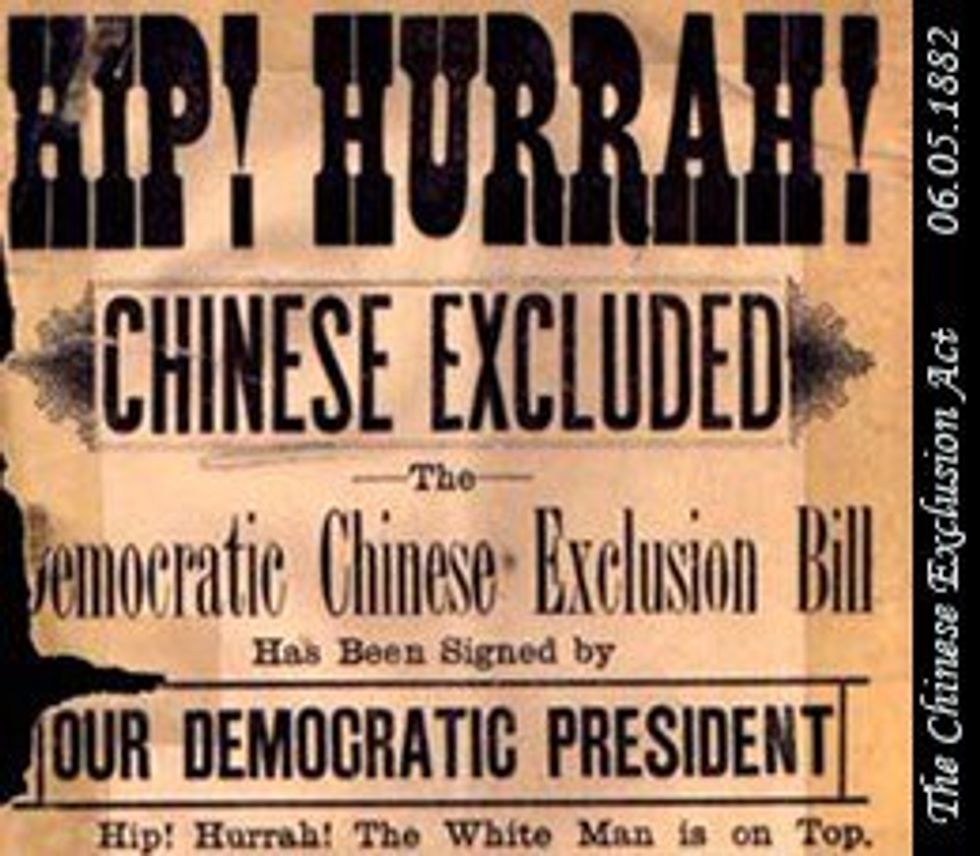
If Trump’s ban goes through to become law, it unfortunately, would not be the first time America barred entry to a specific group. The Chinese Exclusion Act, true to its name, sought to prohibit job-seeking Chinese people from arriving in America. Sadly, this ban was successful and lasted over 60 years. The United States government did not issue an official apology for this exclusionary act until 2012 – 130 years after the introduction of the ban, and almost 70 years after its repeal.
But just because Trump is not president, and therefore, cannot impose his law does not mean his Islamophobic sentiments do not have real effects. Since Trump announced his proposed ban on Muslim travel to America, civil rights groups have voiced concern regarding a rise in hate crimes. Unfortunately, their prediction rang true. In the week following Trump’s announcement, 19 hate crimes broke out across America against Muslims or anyone who looked to appear affiliated with the religion, such as Sikh people. In fact, a 12-year-old Sikh boy from Texas recently spent three days behind bars because a bully accused him of carrying a bomb.
Not only have these discriminatory acts involved abuse and imprisonment, but they also pose risks to job security and education. On Friday a district in Virginia closed all schools due to backlash over a lesson on Islam. Meanwhile in the collegiate realm, Wheaton College in Illinois suspended a professor on Wednesday for asserting that Muslims and Christians worship one God.
This escalation of anti-Muslim actions following Trump’s exclusionary policy proposal demonstrates that his statements have a disturbingly powerful impact that America needs to confront before his popularity spirals out of control. There have already been multiple comparisons between the rise of Trump and the rise of Adolf Hilter – a politician also deemed unrealistic in his time but whose messages had tragic and hateful effects on a targeted religious group. There continue to be obvious differences in Trump and Hitler’s respective political platforms and histories, but it is important to acknowledge the racism and hypernationalism present in both of their rhetoric.
Since the beginning of his presidential candidacy announcement, I dreaded the day I would have to evaluate Trump in a serious manner and consider him as a threat to the American political system. This proposed ban on Muslim immigration leads me to a place I never hoped to be – one where I worry that America will descend into intolerance and repeat one of the most shameful parts of its history.

















