A video was recently released of Adele talking to an audience to squelch rumors that she will be performing at the next Super Bowl halftime show (and that she is pregnant -- she isn't). In the video below, Adele jokingly reassures the audience that she's really just carrying a "cheese baby" from the cheese counter at Bristol Farms, and that while she was presented with a kind offer to perform at the Super Bowl, she has respectfully turned it down.
As a performer, Adele really does not owe anyone a justification for choosing not to perform at a given venue, but the hype behind the Super Bowl does garner some confusion when a famous performer turns down such a massively consumed performance opportunity. For this reason, I suppose, Adele told her fans that she didn't take the gig because "that show is not about music... I can’t dance or anything like that."
This statement confirms for me a topic I have discussed with others in the academic and professional field of music -- we live in a day and age where many performances by individuals identified by both themselves and others as 'musicians' can present 'musical shows' that can be far more about spectacle and sensationalism than they are about music. Much of the music consumed in mainstream media is more about an image or a sound than it is about the music itself in a theoretical or content-based way.
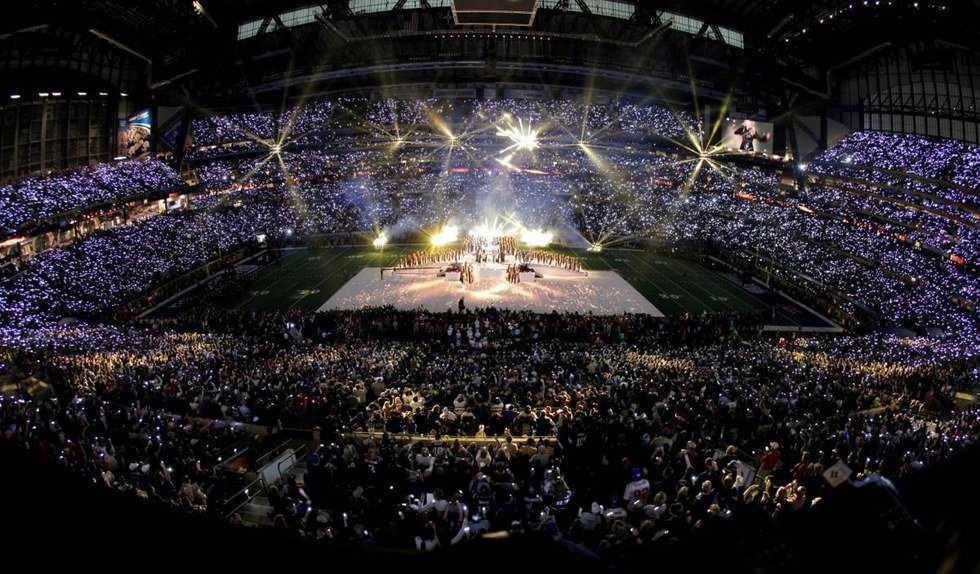
I know that the Super Bowl half-time show is not necessarily a platform for the arts, nor is it expected to be. Certainly, it lends itself to hiring artists from different disciplines and can present us with some innovations, but it is definitely a spectacle of entertainment that has a history of the employment of certain devices such as lip syncing that can lead some to believe that it is more about spectacle and less about the consumption of actively, presently produced music. As a classical musician, someone whose life traditionally revolves around live music production and the unique experience it presents its consumers, this is something that definitely gets me thinking.
I think Adele's polite declination of the Super Bowl offer presents us with the reality that just as we have expanded the scope and genres of our communication and consumption in other fields, music has greatly changed with the influence of new technology and trends. The popularity of sensationalism is nothing new -- French Grand Opera in the early to mid-1800's was all about large hordes of performers and lavish adornments on both sets and casts. However, the popular sensationalism of today includes a different kind of musicianship. It has given me food for thought to hear a pop artist deliver this statement because it does us all a favor by blurring the divide between the stratified ideas of academic or classical approaches to music and the sensationalist popular music with a lessened emphasis on the music itself. Suddenly, we are presented with the notion that no genre is a monolith.