What if I told you that the United States had just declared war on Satan? That at the same moment you're reading these words drones were firing hellfire missiles and the Pentagon was marching hundreds of thousands of troops into the depths. Sound like an article from The Onion, right? Now let's change one word a little; "Satan" to "evil." Suddenly the statement changes from being absolutely absurd to not all that foreign. The United States declares wars on concepts all the time. The War on Poverty, the War on Drugs, the War on Terror. Though I disagree with any "declaration of war" on a concept, for the sake of brevity let's merely examine the War on Terror. We often seem to accept this "war" as no different than a decision to declare war against a state such as Iraq. Nothing could be further from the truth.
How can one win a war on terror? Terrorism is in part perpetuated by governmental destabilization and poor economies. Does democratization, therefore, need to be a key part of any war on terrorism? Does this include overthrowing dictatorships and states which fund it or refuse to combat it? Should we invade Iran, for their support of Houthi rebels in Yemen, Gaza strip to fight Hama's, Nigeria to fight Boko Haram? When are we secure and where is the line drawn? All of that's before we even examine the fundamental question of whether winning a war against a concept is possible.
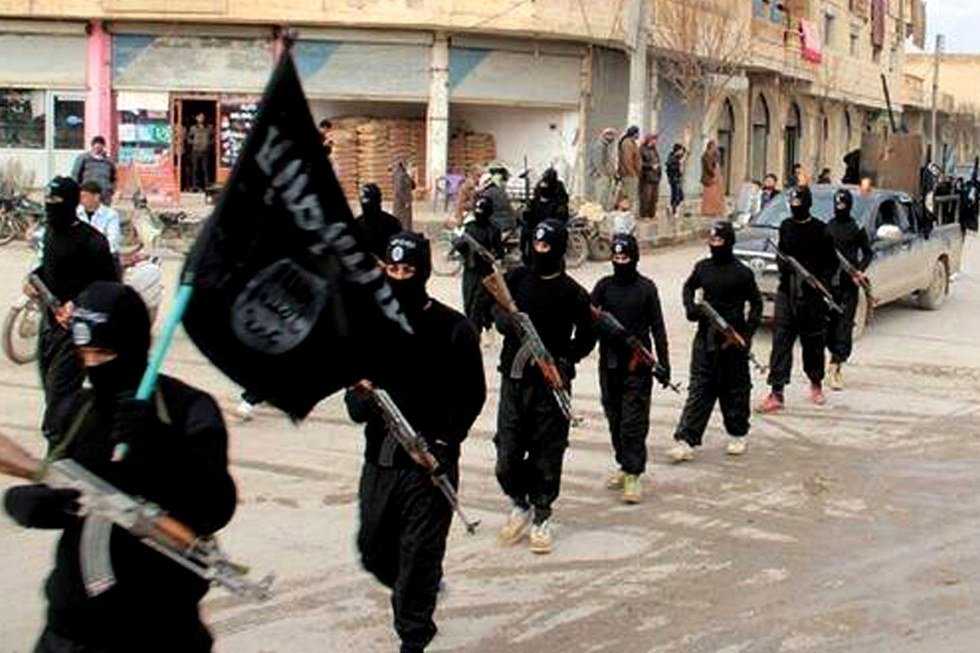
I will admit, that some of the individual issues under this mandate have succeeded. The weakening of the Islamic State, the death of Osama Bin Laden, and the weakening of Al-Qaeda and its affiliates are perhaps the most prominent of these accomplishments. Unfortunately, our primary mechanism for leaving, having relatively stable governments in place which we can work with in the long term, isn't even close to prepared. Iraq failed to prevent the rise of ISIS due to its disenfranchisement of Sunni's. There are a number of reports detailing Afghanistan's lack of readiness to transition away from NATO support. Somalia is still largely ruled by warlords That's without considering the concern that continued U.S. presence and anti-terrorism strikes spur more anti-American sentiment and thus more terrorism. As long as the United States is at war with a concept, regardless of any individual successes, we will be stuck in a war which is impossible to win completely.
Pointing out a problem, however, is futile unless you have an alternative. Here are a couple of choice lessons we need to incorporate into our government and public discourse if we want to stop declaring war on concepts.
First: Don't declare war because of a problem, declare war because of a solution. Regardless of how bad a situation is, we should never be forced into taking action for the sake of action itself. This is one of the dangers of public opinion; members of government will need to act in order to assuage the public regardless if enough people feel the same way. Remember how high Bush's approval rating was after he declared war on Terror? It was what the public demanded. If he hadn't, he would have been crucified. We can't demand or take action for the sake of action itself. Whenever the United States takes action we must have relatively clear objectives and a plan for how to accomplish these. This plan can change over time to respond to changing threats and may need to be confidential for security reasons, but it nonetheless must exist.
Second: A corollary of my first point is that inaction must be made politically acceptable. If inaction is unacceptable, action will always be taken against these types of highly visible threats. It's important to remember that terrorism is not an existential threat. Between 2001 and 2013, according to CNN, 3380 people died from terrorism, both externally and internally (including 9/11). Meanwhile, that same article points out how 406,496 people died from guns in the United States during that same time frame. As strange as it may be to say, terrorism really isn't all that harmful, it's just more visible. Imagine if even a fraction of the money spent on the war on terror was transferred to other sectors of federal government spending: Education, research, and development of medicine, implementing background checks to cover gaping loopholes, even Cyber-security.
A War on Terror is not the same as a war against a country or even a specific terrorist organization. Yes, there are times when a war against a terrorist organization can be successful and necessary. This is not, and must be made the same as a blank cheque to the U.S. government to deal with all terrorist groups as it pleases. A war against a concept can never be fully won. Acknowledging absurdity is the first step towards eliminating it.