
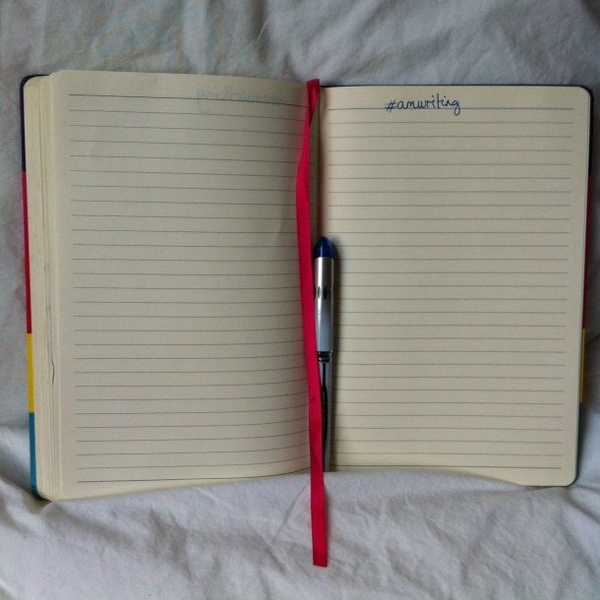

When the school year comes to an end and you find yourself preoccupied with summer plans, it can be difficult to find a reason to keep up with writing. No papers, no essays and no assignments, so you no longer have an obligation to write. And although you don’t have to write, you may want to improve as a writer or prevent losing what you already have. So here are eight ways you can keep your writing sharp over the summer.
1. Keep a journal
Journal-ing is a very flexible and convenient way of keeping up with writing. You can journal about whatever you want, whenever you want, as long as you want and however often you want. It all depends on you as a person. Some journal daily, some journal when something significant happens and some journal whenever they have a chance. You can write short entries or entries that are paragraphs long. You can take hours to write or 10 minutes. Not only is this a good means of practicing writing more often, but it’s rewarding to be able to look back on what you’ve written years later and remember the past and see how things have changed. It’s also a great and healthy way to vent.
2. Write down your thoughts and feelings
If a movie you watched moved you, if you need to think through and process something that happened, if you’ve had a sudden epiphany—write it down. This will give you ideas of what you can write about or expand on in the future. Plus, being able to identify your feelings is a trait of emotionally intelligent people. And if you can identify your feelings when they come, you’ll be better equipped to write about them in the future when it comes to personal stories or even describing the emotions of characters in a novel. And emotion is an important part of a lot of poetry, so this is good all the way around and everyone wins.
3. Write down your prayers
It’s like having a deep, intimate conversation with God using a pen and paper. This way, you are incorporating writing into your praying, which is essentially writing how you talk. I can imagine this would help with continuing to develop your voice as a writer as you put what you say to God on paper. There’s no need to make it fancy or word it perfectly because this is just about you talking to God and spending time with Him. It’s also helpful if you want to pray a certain prayer regularly because now you’ve got it written down already. And, like journal-ing, it can be rewarding to look back on what you’ve prayed about in the past and seeing all the answered prayers and how God was working in your life back then to bring you where you are now.
4. If any idea pops into your head, write it down immediately
One of the best writing tips I’ve ever heard—something that an author said when he spoke at my elementary school—is that if an idea pops into your head, write it down immediately so that you don’t forget it. I’ve been doing that ever since and it’s extremely helpful. Even if you have a fairly good memory like me, you shouldn’t always leave it up to your brain to hold all your ideas because there will always be things that you will forget. I normally use my phone notes to write these things down, but sometimes I may even be in class and a story concept or idea for a narrative pops into my head so I write it all out on whatever piece of paper I have in front of me. Where you write it is all up to you. The important thing is that when inspiration strikes, you write it down.
5. Write down people’s quotes
This is a fun one and it’s especially good for journalists. If you’re having a conversation with a friend or family member and they say something profound, interesting, hilarious or ridiculous, write it down word for word. This is a good way to practice picking out good quotes from a conversation and writing it down accurately, which is helpful when interviewing people and writing out quotes for a news story. If you want to look at it from the perspective of other genres of writing, this could spark ideas for a topic to write about, it can give you quotes to use in a narrative or it could even give you examples of the ways people talk in conversation to remember when writing dialogue for characters. Plus it’s entertaining to look back on things people have said in the past if you ever need a good laugh.
6. Read
I’ve heard before that in order to become a better writer, you have to read. Reading nearly any type of genre would be helpful, but you could take it up a notch by reading the types of things you want to write. If you want to write fiction, read novels. If you want to write for a blog, read blog posts. If you want to write for a magazine, read articles from your favorite magazines. If you’re a journalist, read news stories. It’s good to know your way around all sorts of genres as you continue to grow as a writer, but one of the best ways to improve in whatever you want to write is to read it. I’ve witnessed firsthand how big of a difference reading things makes in your writing.
7. Write for a publication
This could be for an online publication (like Odyssey), a magazine or your local newspaper. What this provides that most other things listed don’t is an audience, feedback, getting your work edited by someone other than yourself and a deadline. If you’re used to having deadlines for writing for a newspaper of for class assignments, this will keep you sharp in keeping up with due dates and improving time management.
8. Brainstorm topics
If you have free time it’s good to just sit there every once in a while and think about the things you would like to write about. What things have peaked your interest lately? What’s been going on in your life right now that you’d like to put to paper? What things do you feel people need to be more informed about? What have you always wanted to write about but never had the chance to? Write these things down to come back to at a later date. And if a day comes when you’re bored, inspiration strikes or you’re just in a mood to write, you can put those ideas to use.
Hopefully using one or all of these tips in combination helps awaken the writer within you this summer, even when school is out and we like to take a break from writing. Writing is an important skill and it is essential to stay toned in it regardless of the season.