
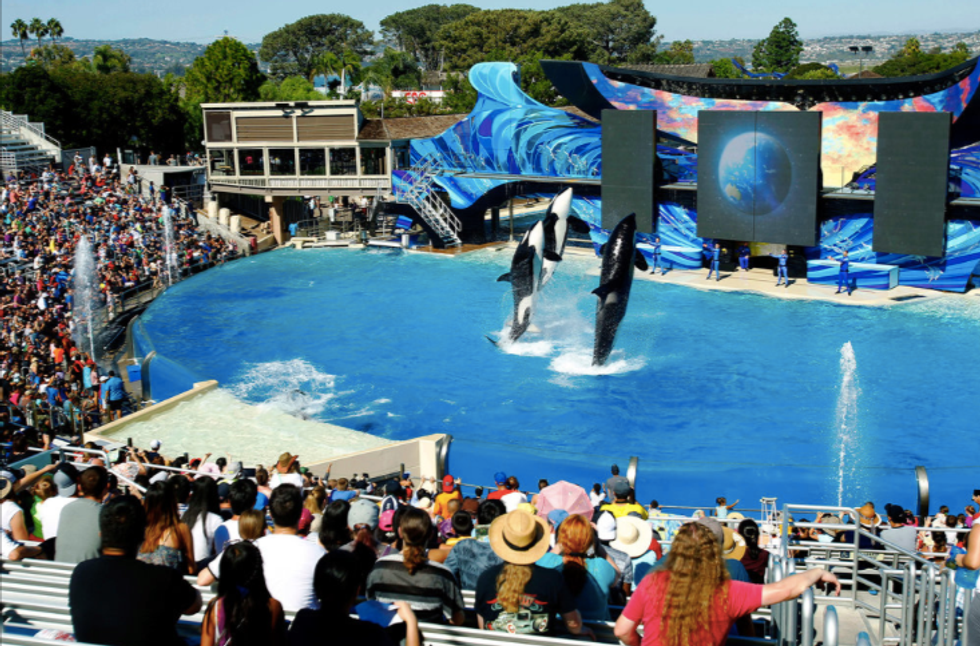
On March 17, SeaWorld announced that it would discontinue the breeding program for their orcas, also known as killer whales. In addition, SeaWorld also announced that the park will retire the orca performances and institute natural interactions, and focus on the care and health of marine mammals. Now, SeaWorld struggles with how to move forward, as they acknowledge that the 23 whales in captivity at their parks will be the last generation of orcas ever to live at SeaWorld.
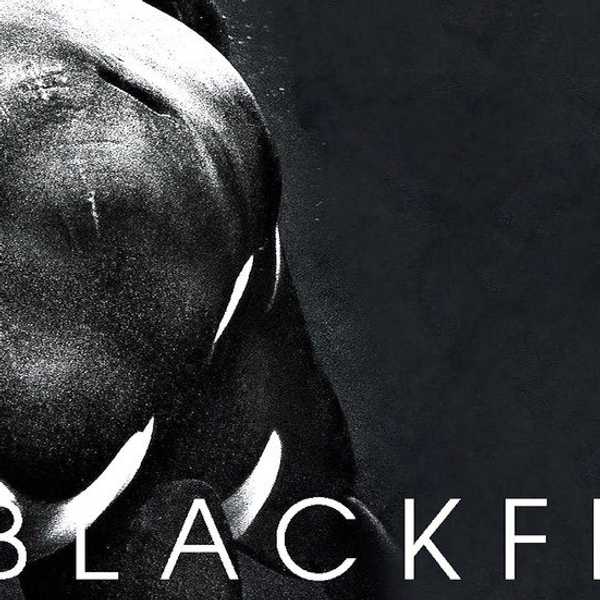
On Feb. 24, 2010, the orca whale Tilikum killed Dawn Brancheau, a 40-year-old SeaWorld trainer, at SeaWorld Orlando. Despite conflicting reports, the fact is that Tilikum pulled Brancheau into the water by the arm and mutilated her. In 2013, veteran documentary director, writer, and producer Gabriela Cowperthwaite, along with three other talented writers, premiered the documentary “Blackfish.” “Blackfish” developed a story around Brancheau’s death by explaining not only how Brancheau died, but also why Tilikum killed her, and why these whales actually attacked their trainers and other people.
Cowperthwaite and her team compiled almost 30 years of information that documented abusive training methods, violence, starvation, and other incidents where orcas have attacked trainers and ordinary people. Tilikum, the whale that killed trainer Dawn Brancheau, experienced years of abuse. Not only was he trapped in what was equivalent to a bathtub, but he was often deprived of food as punishment, locked into a steel box with other whales, and even attacked by other whales because of the psychological stress. Tilikum was not the only whale that experienced this abuse, nor was Brancheau the first person he is implicated in killing.
Veterinarians and scientists reported seeing ‘rake’ marks from the teeth of other whales and bleeding on Tilikum’s body. One researcher in the documentary stated that male whales in the wild traditionally traverse the outer edge of the waters. Because Tilikum could not swim that far, the female whales often relentlessly attacked him. Tilikum’s conditions have made him sick, frustrated, and scared. Tilikum was forced to breed, has sired over 20 calves, and has a bacterial infection in his lungs that is resistant to treatment. SeaWorld reports that, despite Tilikum’s deteriorating health, his appetite and health have improved slightly.
“Blackfish” included a comprehensive timeline of how SeaWorld came to be, including the aggressive operations conducted by teams of divers, fishermen, and pilots to seek and capture orca whales from their habitats. SeaWorld’s predecessor, called Sealand of the Pacific in Victoria, British Columbia, was the initiator of operations to capture orcas. Some of these operations were conducted in the Puget Sound, on the coastal border of Washington State. However, SeaWorld has not captured whales from the wild in over 35 years.
After “Blackfish” premiered in theaters, SeaWorld’s stocks plummeted and attendance dropped. In December 2014, Washington Post and Bloomberg report that, after “Blackfish,” SeaWorld’s stock fell by approximately 60 percent. While the stock price fluctuated over the course of the following year, lawsuits and harsh criticism from the public slashed attendance and revenue.
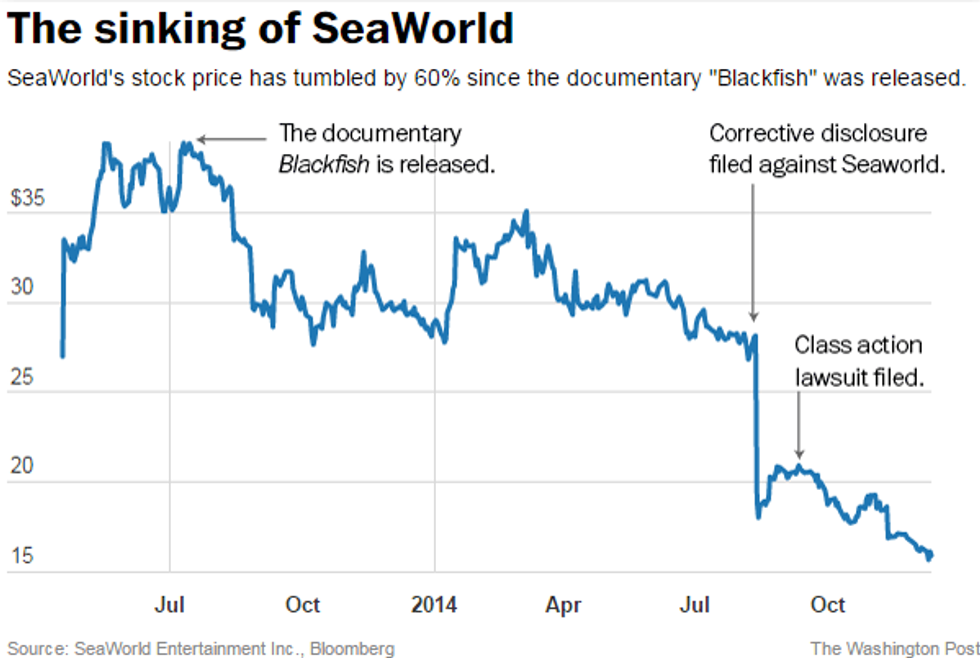
Bloomberg chart from SeaWorld Entertainment Inc.
In October 2015, SeaWorld San Diego submitted a proposal to the California Coastal Commission for the approval of the “Blue World” project. According to the report issued by the Commission, the project would expand SeaWorld’s San Diego theme park by replacing “the existing 1,700,000 gallon Pool E with a smaller 450,000 gallon pool, and construct[ing] a new 5.2 million gallon pool (Pool F).” The Commission approved the proposal, but under one condition: that SeaWorld cease its orca-breeding program.
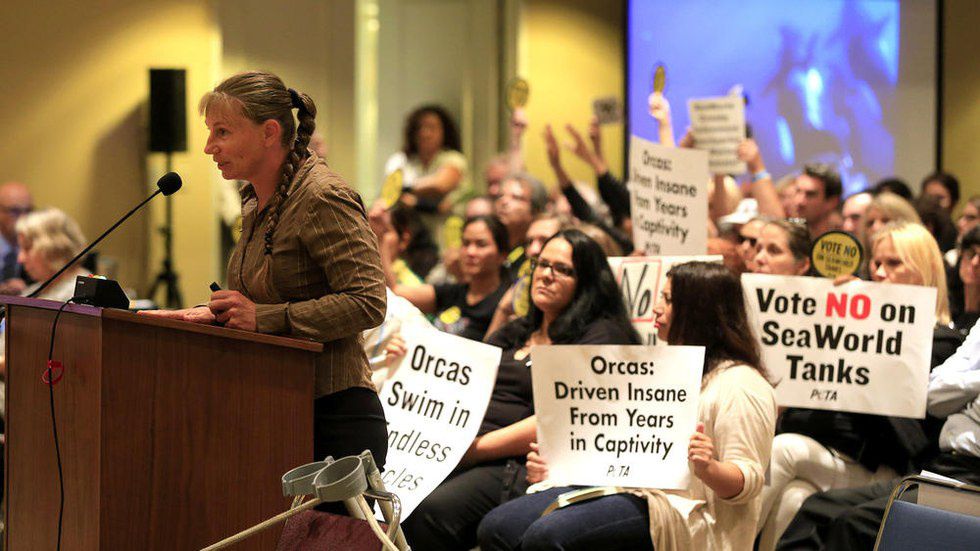
California Coastal Commission meeting.
SeaWorld responded in December 2015 by filing a suit against the Commission, which has yet to be pursued. In light of the recent announcement, Los Angeles Times reporter Hugo Martin, who wrote one of the original pieces about the Commission’s decision in October, said that, while it is unclear whether or not SeaWorld will pursue the lawsuit, “it doesn’t seem to make sense that the company would.” However, Martin considers another potential development. “There is some speculation,” he says, “that SeaWorld will pursue the lawsuit for one reason: To keep the commission from adopting further restrictions on the company in the future.”
The source of this speculation is unclear. However, as we look into SeaWorld’s future, we see three primary changes they are making in response to the California Coastal Commission’s ruling. According to SeaWorld, the first change is that SeaWorld is definitively canceling the orca breeding program. The orca whales currently in SeaWorld’s captivity are the last generation of orcas that will live at SeaWorld. The second change is that SeaWorld will cease all theatrical performances for orcas. Instead, natural encounters will be implemented that will foster a more educational, and peaceful setting for the orca whales. The third change is that SeaWorld and the Humane Society of the United States have created a partnership that will focus on the care of marine mammals and the waters in which these species live.
SeaWorld has listened to the criticism. These whales, which people have seen perform for decades, did not hurt or kill people because they were crazy, or to be savage. They were frustrated and abused, forced to expend themselves and live in containers for most if not all of their lives, with no freedom to swim the hundreds of miles for which their bodies were made.
With the implementation of natural encounters for the orcas, and the retirement of the breeding program and theatrical performances, SeaWorld appears to be pursuing a path towards advocacy and rescue in order to satisfy public opinion and facilitate the proper care of the creatures for which they are responsible. While SeaWorld is going to struggle over the next few years to improve their stock and reputation, there is a future for SeaWorld, and it resides in the ever-growing movement for environmental and marine mammal conservation.