As of 2012, 74 percent of American adults use social networking sites—specifically Facebook, Instagram, Twitter, LinkedIn and Pinterest. While sharing pictures of your trips with friends, your cute puppy, and the cookies you made last night can be super duper fun and seemingly worthwhile at times, these five reasons to sign off are definitely worth some thought.
1. Real Life Mental and Social Issues
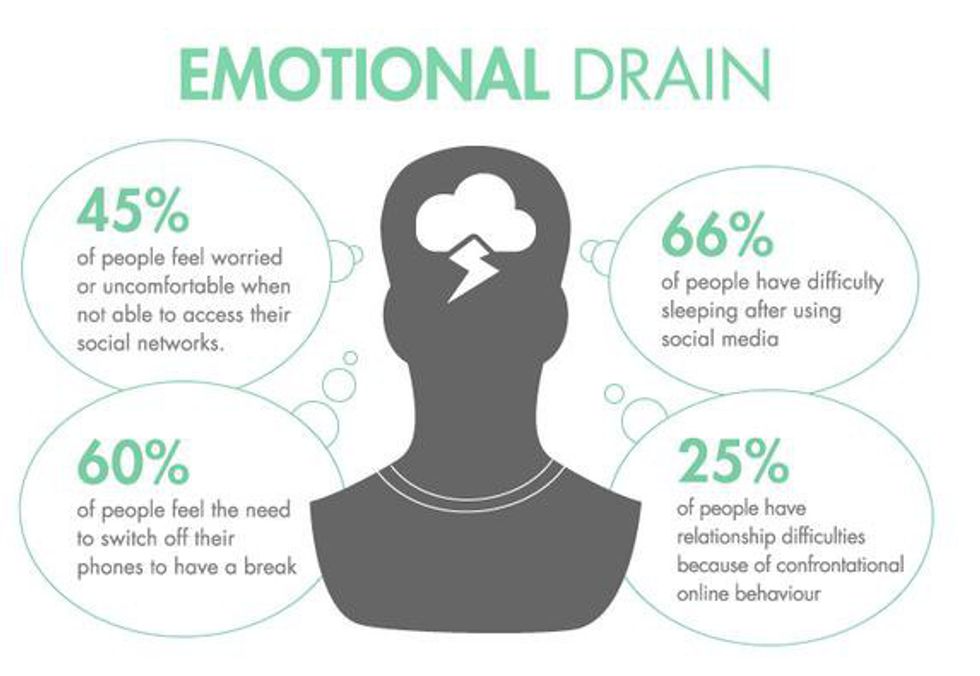
Research has found that pathological use of online social media sites is directly associated with feelings of loneliness, depression, anxiety, and general distress of users. Not only that, but high amounts of social media usage lead to people’s inability to have in-person conversations, an unhealthy need for instant gratification in their lives, and self-centered and addictive personalities. Maybe you're thinking that that's definitely not a description of you, which is fine; but think about how true that is the next time you find yourself stressing over the amount of "likes" you get on a picture of you posing alone on the beach at sunset. There’s a reason why our parents are confused by the concept of posting a “selfie” on your Instagram—social media has fostered a self-obsessed society in our generation that our parents did not grow up with. Plus, it’s not like everyone is unaware of social media usage making them feel worse—a UK study from earlier this year found that over 50 percent of social media users evaluated their participation in social networking as having an overall negative effect on their lives, especially with self esteem issues. Furthermore, Forbes reported, “Almost a quarter of Americans reported that they have missed out on important life moments in their quest to capture and memorialize them for social media.”
2. Waste of Time
In my opinion, this is the biggest reason why social media is such a negative aspect of young adults' lives. Studies have shown that, when alerted to a new social networking site activity (Facebook message, tweet, etc.), users take 20 to 25 minutes on average to return to the original task, and in 30 percent of all cases, it took two hours to fully return attention to the original task. Think about that next time you’re just browsing though Facebook while “simultaneously” doing your homework. Over half of people aged 25-34 access social media while at work, and a study came to the conclusion that “Even spending just 30 minutes a day on social media while at work would cost a 50-person company 6,500 hours of productivity a year.” For the students out there, research continuously concludes that students who use social media have, on average, lower GPAs than those who do not. In fact, college students’ grades dropped .12 points for every 93 minutes above the average 106 minutes spent on Facebook per day.

3. Harms Employment Opportunities and Job Stability
You’d think that if you just clean up your page a little, employers will be fine with whatever they find, right? Wrong. According to a study, “Job recruiters reported negative reactions to finding profanity (61 percent), poor spelling or grammar (54 percent), illegal drugs (78 percent), sexual content (66 percent), pictures of or with alcohol (47 percent), and religious content (26 percent) on potential employees’ social media pages.” Let’s not forget the high profile cases such as Anthony Weiner’s twitter scandal and several 2012 Olympic athletes’ racist social media posts getting them banned from the games.
4. Bullying
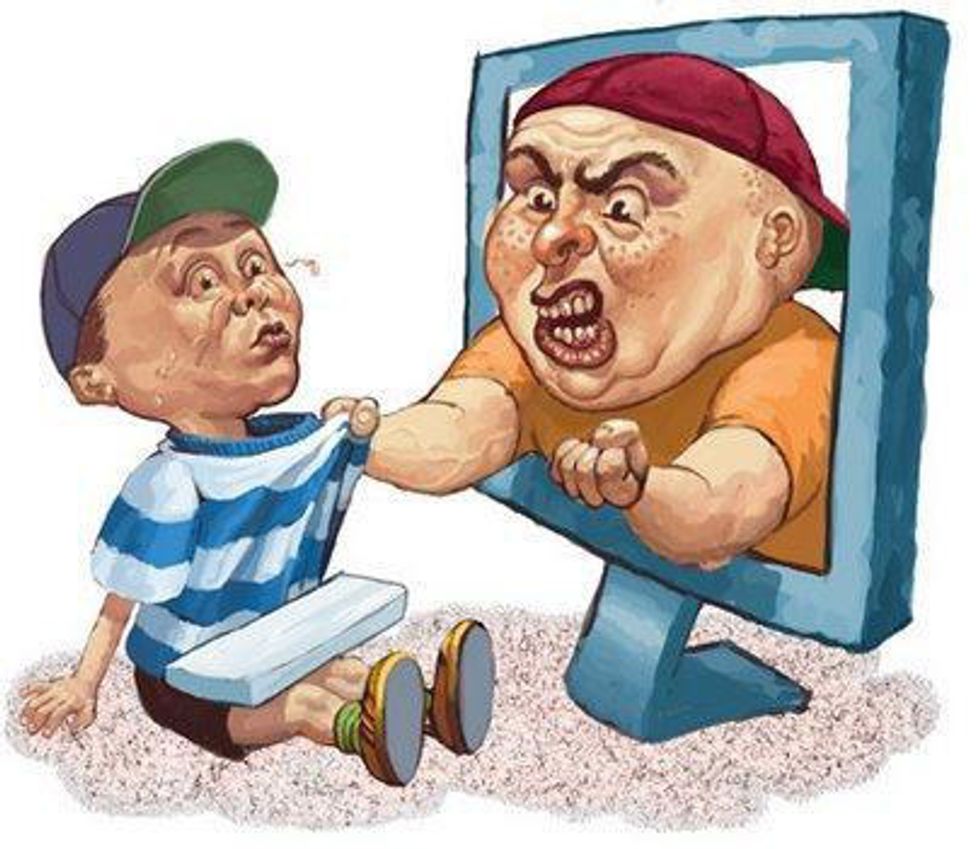
Cyber-bullying is the most prevalent form of bullying in today's world. 49.5 percent of students reported being the victims of cyber bullying, while 33.7 percent reported committing bullying behavior online. A 2012 Consumer Reports survey reported, “800,000 minors were harassed or cyberbullied on Facebook,” and the middle school victims of this bullying were found to be almost twice as likely to attempt suicide. Social media is also a quick and easy way for hate groups and violent gangs to recruit new members.
5. Dangerous Sharing of Information
Everyone always warns that once you post something on the internet, it’s there forever and can’t be deleted. Well, the accuracy of that warning is pretty spot on, and can have some really negative effects. For example, research has found that “88 percent of private self-produced sexual images posted to social media are stolen by pornography websites and disseminated to the public, often without the subject's knowledge.” Yikes. Also, the US Justice Department reported intercepting 1,661 pieces of information from social networking sites and e-mails in 2011—talk about digging your own grave. Studies also showed that “4.7 million Facebook users have "liked" a health condition or medical treatment page, information that is sometimes used by insurance companies to raise rates.” As for real, physical danger, let me remind of of a 2011 case in which a Mexican journalist was murdered by the Zetas drug cartels because she tweeted a report on cartel crime. A lot of kids have their personal information such as phone numbers, birthday, and towns posted pretty publicly on their pages, and in extreme cases, stalkers can use geo-tags on social media sites to find you.
So here's an idea: try deactivating some of your social media accounts--or even just work to reduce the time and thought you put into your various pages. Focus on some more important things in life, such as spending time with your family and friends, getting good grass, and finding a job.