History is full of amazing women and Women's History Month, celebrated each month, is all about honoring these women's contributions to society. However, many of these women go unrecognized despite their monumental achievements. Here are five amazing women you probably didn't learn about in history class, but definately should have. There are plenty more, so check out Amazing Women in History, Stuff You Missed in History Class, or do your own research to learn about more inspiring women!
1. Margaret Hamilton
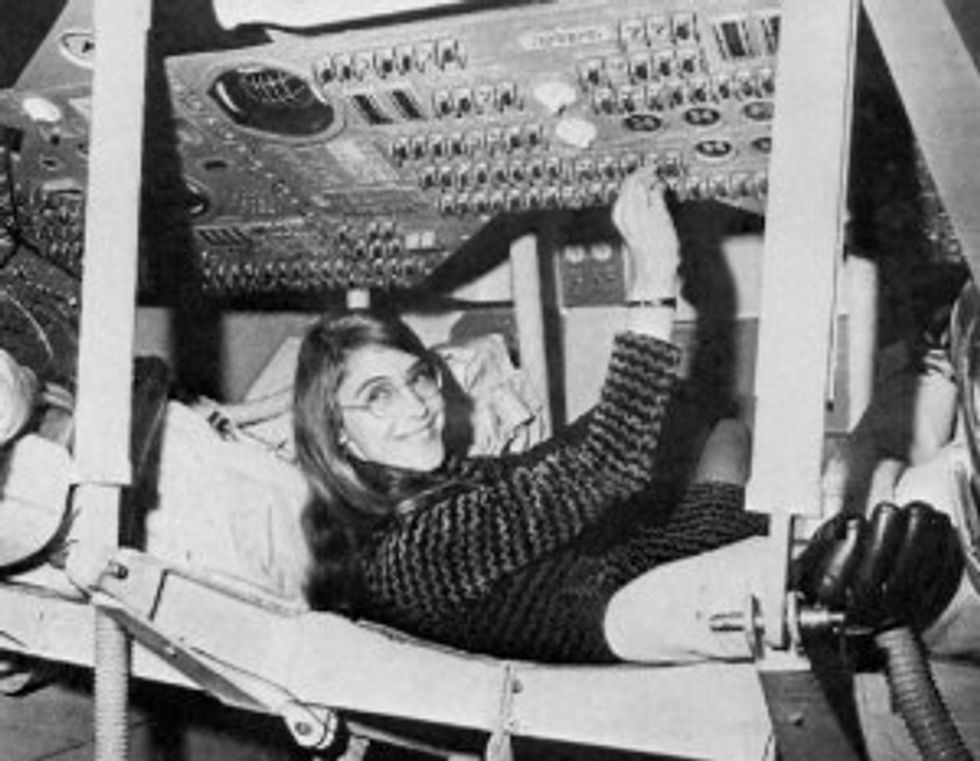
Margaret Hamilton inside the Apollo Command Module (which she helped put on the moon)
In 1960, Margaret Hamilton was a 24-year-old married math graduated who took a job as a software developer for MIT. After only a year on the job, Hamilton and her coworkers were tasked with coding the software for Apollo 11. Hamilton was a working mother, which was pretty uncommon at the time. By 1965 however, Margaret Hamilton was head of the Software Engineering Division! While Hamilton left the Apollo project in the 1970's to found her own company, many of the advances in computer coding technology that we still use today are attributed to her. After all, she was a key player in putting men on the moon!
2. Cathay Williams (aka Williams Cathay)
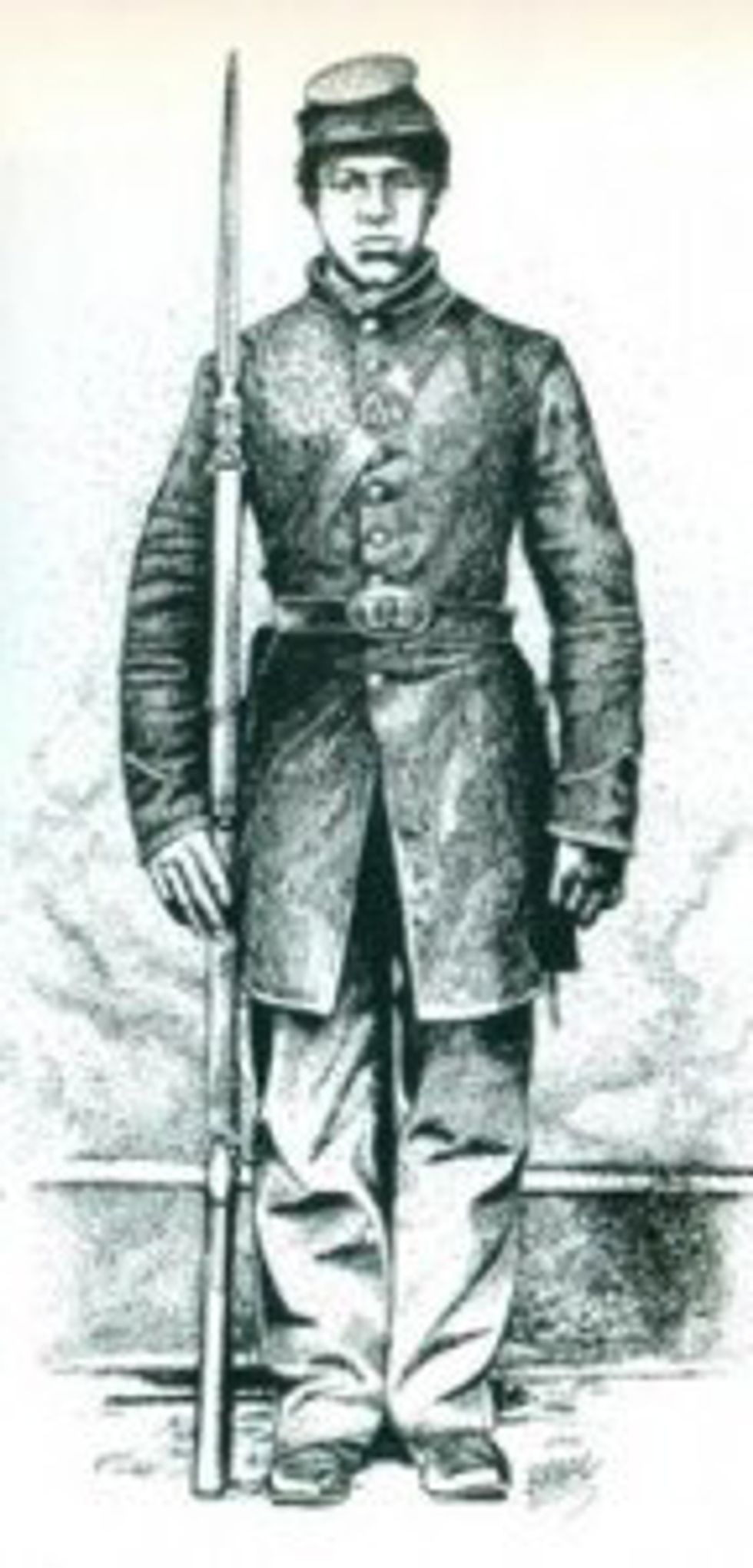
Cathay Williams, first African American women to serve in the United States army
Cathay Williams was born into slavery in 1844 and worked as a house servant in Jefferson City, Missouri. In 1861 during the Union occupation of the city, she was taken by the army and pressed into working as cook and washwoman. After the war, jobs were scarce, especially for African American women. Williams was no exception, so she disguised herself as a man and enlisted in the 38th Infantry under the name William Cathay. Unfortunately, she came down with smallpox and spent much of the next few years in the hospital. In 1868 she was finally discovered and given disability discharge. Over the course of her life, she worked as a cook, a seamstress, and a washerwomen, but she suffered from several medical conditions. She applied for a pension but was turned down. It is unknown when she died, likely between 1892 and 1900, but she left a lasting legacy as the first African American woman to serve in the United States military.
3. Dr. Virginia Apgar
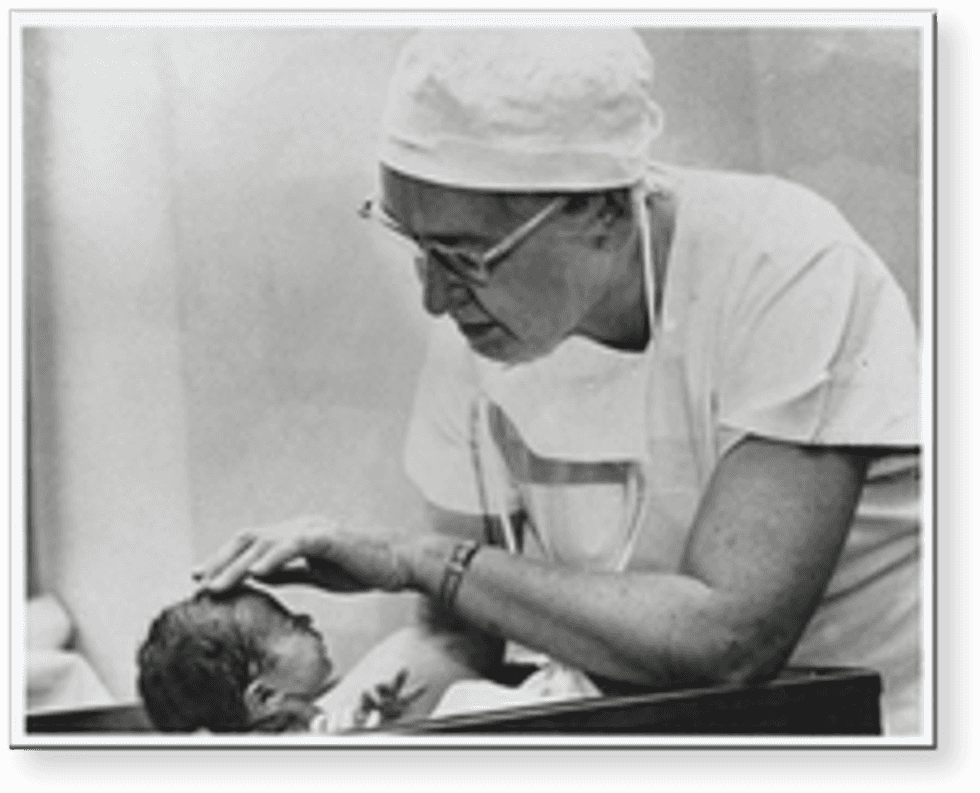
Dr. Virginia Apgar assesses a newborn baby
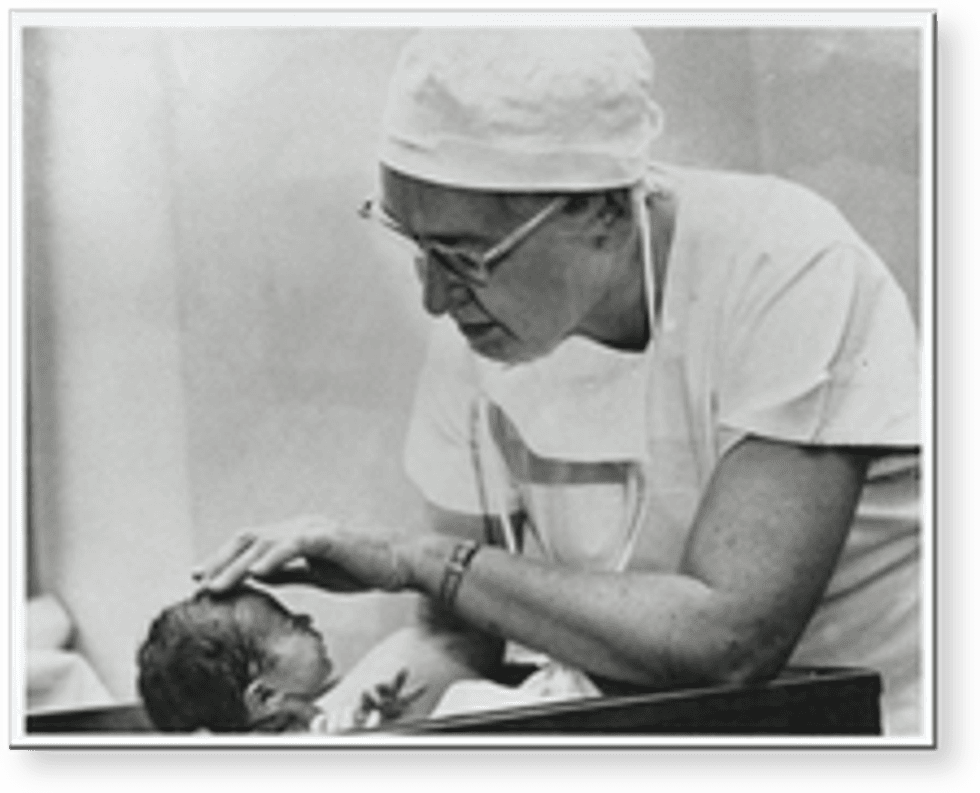
When Dr. Virginia Apgar began at Presbyterian Hospital after receiving her MD from Colombia University, she intended to become a surgeon. Fearing a lack of opportunity for surgeons in the midst of the Great Depression, her mentor recommended she switch to anesthesiology. At the time, anesthesia was usually performed by nurses, but Dr. Apgar helped to change Presbyterian's anesthesiology division into a department staffed by physicians. After a male coworker was selected as head of the newly formed department of anesthesiology, Dr. Apgar decided to focus more on obstetric anesthesia. One of her goals was to decrease newborn mortality rates, which had been declining steadily since the turn of the century but were still high in infants right after birth. In 1952, Dr. Apgar developed a scoring system to evaluate the health of newborns after birth. Years later, one of her students took the first letter of each point on the scoring scale and rearranged them to fit with Dr. Apgar's name. To this day, every baby born in an American hospital receives an "Apgar score" one and five minutes after birth.
4. Buffalo Calf Road
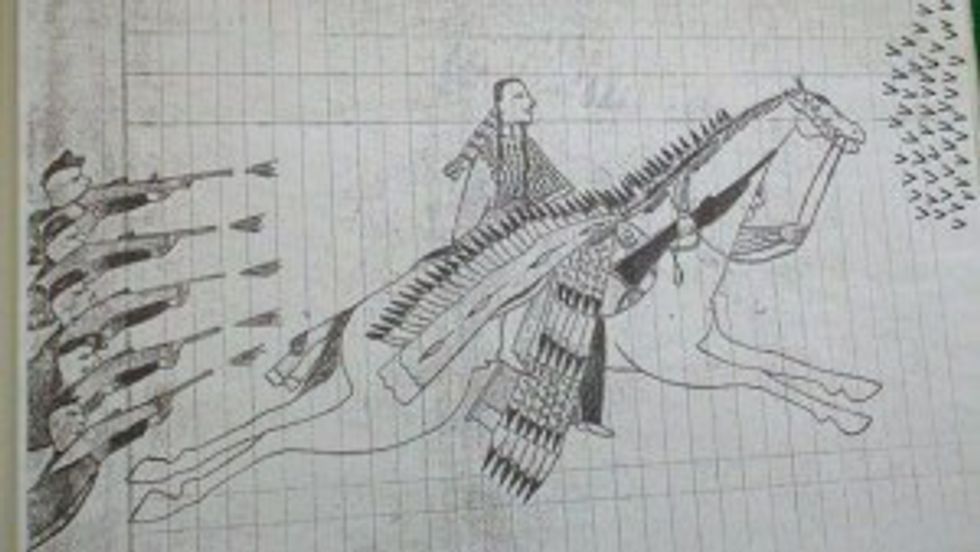
Buffalo Calf Road, also known as Brave Woman, a Cheyenne warrior who rescued her brother and fought to preserve her people's land
Not much is known about Buffalo Calf Road , a Cheyenne warrior, until her brave rescue of her brother at the Battle of the Rosebud in 1876. When her people rode to stop the encroaching United States army, she went with them despite some opposition. Her skill with a gun did not go unnoticed during the battle, and when she saw her brother trapped by enemy soldiers she swept him up onto her horse and took him to safety. She became known as Brave Woman and that battle as The Battle Where the Girls Saved Her Brother. Buffalo Calf Road fought at the Battle of Little Bighorn, but the Cheyenne were pursued by the army. Although she was pregnant at the time, she resisted their attempts to bring and her tribe were forced to Indian Territory until at last they were forced to march to Oklahoma. Once there, Buffalo Calf Road and a group of 300 other Native Americans decided to return home. Unfortunately, Buffalo Calf Road's group was captured by the army and detained. Buffalo Calf Road died of diphtheria while imprisoned, but her courage and skill as a warrior remains legendary.
5. Huda Shaarawi
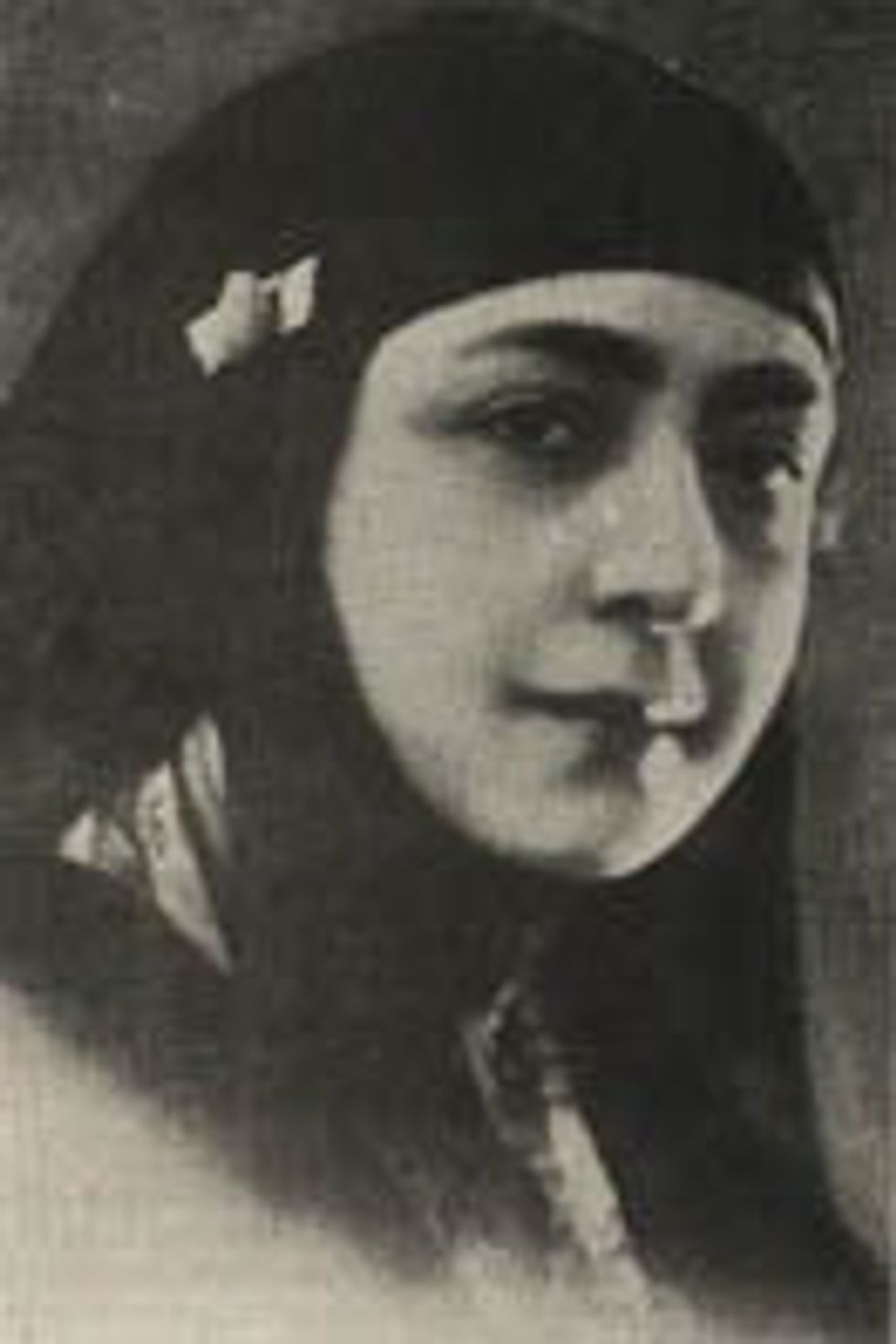
Huda Shaarawi, feminist influential in Egypt and the rest of the Arab world
Huda was well educated from a young age and was raised in the Harem system. When she was 13, she married, then separated after seven years and having a child. In 1908, she started a philanthropic organization to help women and children, the first operated by an Egyptian woman. Two years later, she opened a girls' school that focused on academics rather than practical skills. After World War I, she organized the largest anti-British rally in Egypt and started the Egyptian Feminist Union, which fought for women's suffrage and education and remains active today. Saarawi was opposed to laws restricting what a woman could wear, so when she returned from a lecture she lifted the veil she was required to wear in the middle of the train platform wear everyone could see. Over the next ten years, fewer and fewer women chose to wear veils until it became somewhat uncommon. Even after her big display of defiance, Saarawi continued to fight for women's rights in the Arab world, founding the Arab Feminist Union and as a member of the International Alliance for Women's Suffrage and Equal Citizenship.