It has been a very long summer; I've done everything from write to read to play cute, complex video games. Honestly, half the time I'm bored out of my mind. It makes me miss my first job.
One summer, I decided I was finally ready to become a contributing member of society and do something with my time that is deemed valuable. I worked up a resume, went to several interviews both actual and practice, and eventually got hired for a position at a local amusement park. While I was aiming for retail, the work schedule required me to work every weekend, which was impossible given my schedule, I ended up in food and beverage. Also, because school let out in June and I had to go through employee orientation and training days, I didn't actually start until that July--and to top it off, I had to leave halfway through August to head back to school. But, for a brief, shining month, I was practically Spongebob.

I learned many things from my time as a fry cook (among other things), and I feel it is time to share those lessons with you.
1. Cash registers are serious business.
More often than not, I was behind the register for most of my shifts (I know, I know, that would make me Squidward, but the point still stands), as the other people at the stand would prepare the food. While you think that would be the most boring thing you can do at an amusement park, it really is quite interesting. Sure, it's boring just sitting (or even standing) there, waiting for customers, but handling money is quite fun, and you get into a kind of rhythm, cheerily greeting each guest. The best thing about register duty, however, is cash control.
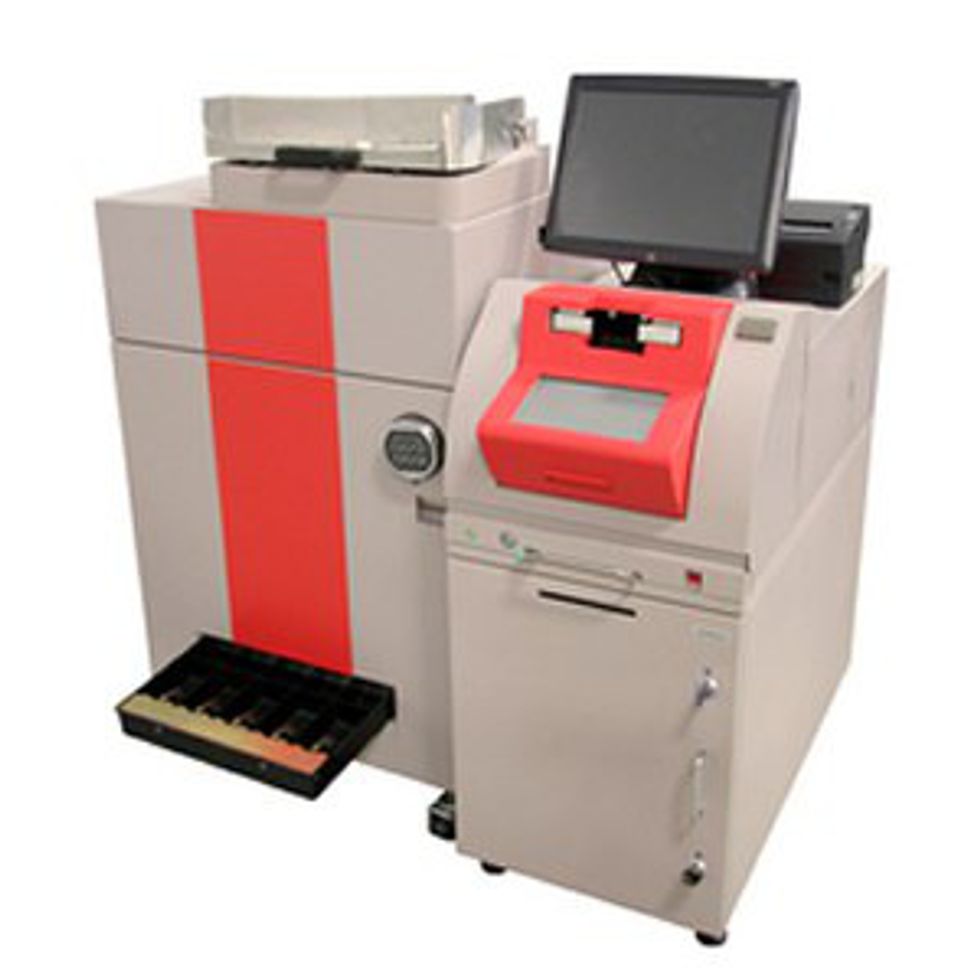
I know, I'd never heard of cash control either until I started working. The basic gist of it is that when you start your shift/turn on the register, you head out of your stand, across the park, and into a secluded corner of the entrance. Once there, you take a cash drawer and go to one of the MIMO (Money In, Money Out) machines, as pictured above. Punch in some identifying data and the machine fills the drawer with the starting amount of money (you know, for making change). A staff member locks your till, and you head back to your post, where your supervisor unlocks it and puts it in the register. That register is now your duty (or your supervisor's if you need to go on break), and if any money goes missing, you will be punished for it.
You see, when you're done, you haul your till back to cash control, the MIMO machine counts up the money, and the staff members there compare totals. If there is a significant difference between the values, you have to stay behind while supervisors get called; if this difference can be traced back to you, you will be written up, if not fired. Thankfully, I was always even, or at least close enough to not matter, save for one time when I wound up with more money in the register than there was supposed to be. It was fun to dump out my coins into one of those coin-sifter things like the cash conversion machines at the grocery stores have, and a puzzle to get the bill return to accept the bills. It was also a break from the antics at the stand and the oppressive summer heat.
2. The guests come first.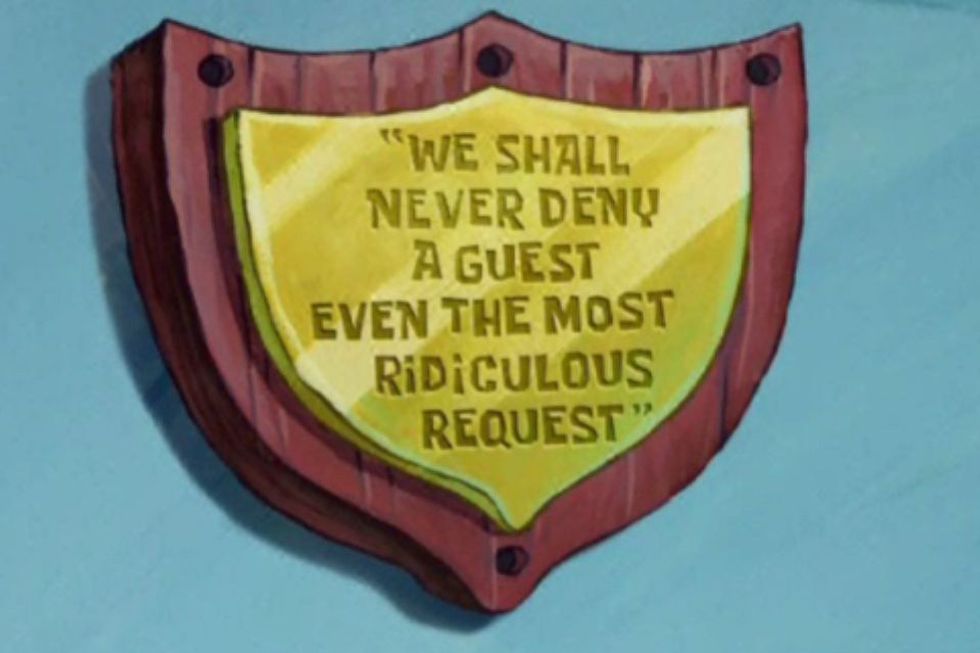
One term that was brought up quite often at general employee orientation was that the park as an organization was "guest-focused." While not as rigid as "the customer is always right" or the above image, it meant that as employees, the needs of the guests of the park were higher priority than any other business we could get into. Let me illustrate with an example.
Probably due to my peanut allergies (to this day I will never know why I was assigned to certain stands), I spent every single shift I worked at the Staff Center, the cafeteria/lounge area where all the other employees ate/lingered while on break: since the park employed minors, it was mandatory to take a 30 minute break after four hours of work, and the park was even stricter to avoid any possible violations. While the Staff Center itself did not serve guests, it shared a backdoor with the park's water park's food joint, which was connected with a park feature called Cabanas. It was possible to rent out a small cabana near the water park, which was air conditioned (and therefore especially popular on hot summer days), and could be served various platters of food more complex than the food joint usually worked with.
Quite often, the staff members assigned to preparing Cabanas orders would bleed over into the Staff Center kitchen, often using the grill to cook sliders or other requested items. They would take fries from our fry vats, even if they were prepared for the Staff Center. One day, when I was managing the stand, for my supervisor was on break, one of the staff for Cabanas walked through the shared door, and asked if he could use the fries for Cabanas. I had just set out those fries after finally having a spare moment between orders.
Part of me was incredibly upset that somebody would just walk into my stand and ask to use the fries I just set out for my customers, but I let him do it anyway--some family was probably at the park for their vacation, and not getting those fries might've ruined it. While it might not have, that is what "guest-focused" meant for me, at least at the lowest level.
3. Make good use of your time.

At the park, I was paid minimum wage by the hour: I swiped in at a punch clock, then swiped out. One surprising facet of this is the fact that the supervisors are allowed to send you home early if, for some reason, they couldn't find anything for you to do. In most cases, there was always something to do; besides register duty and serving the customers, there was always frying more things to put on the hotplates, swabbing up both inside and outside the stand, and even sweeping the cafeteria area with an old push sweeper. At some point, I have done all these things, and more besides, both because they needed to be done and just to fill time. It got tedious and terrible during the slow hours before opening and between the lunch and dinner rush, and every minute on the clock was money directly deposited into my bank account.
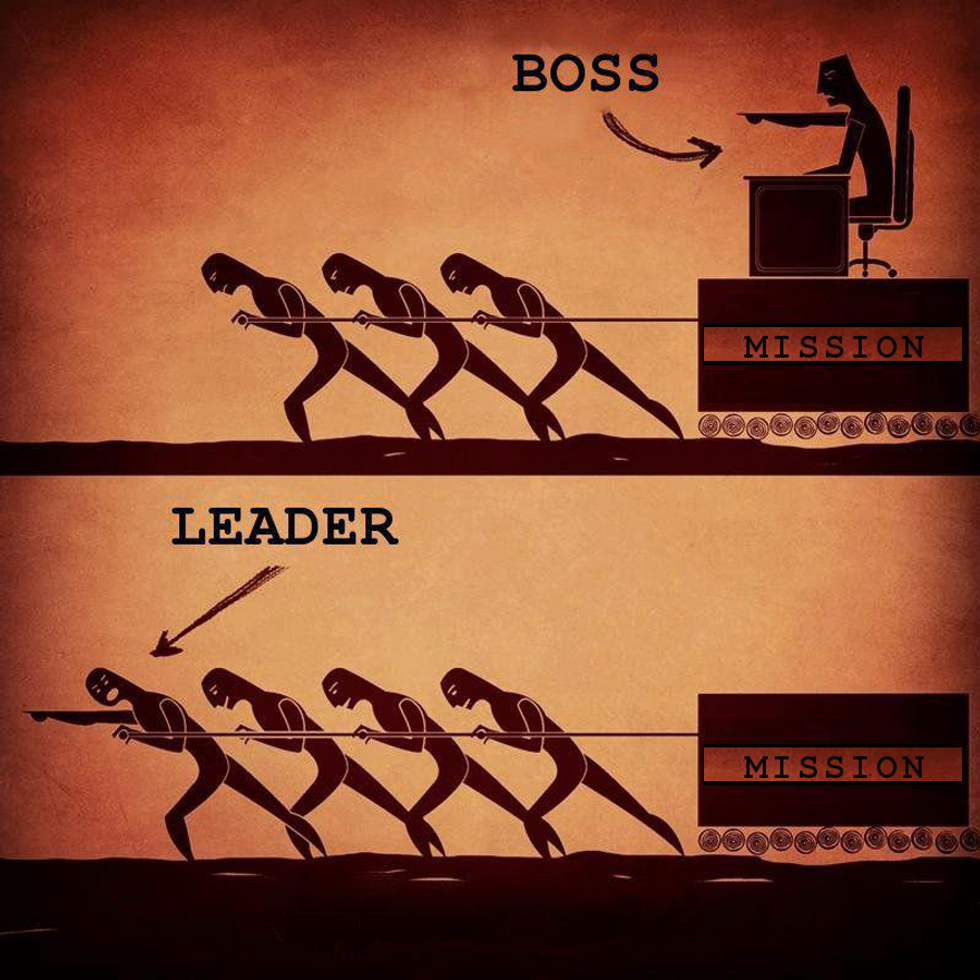
4. Good leadership makes any job better, and vice versa.
Over all my shifts, I only ever had about four supervisors. While they all varied in quality and skill, two of them stood out as exceptionally good and exceptionally bad.
The really good supervisor had worked at the park for years, especially at other food venues. Looking at the sad piles of grease that was Staff Center fare, she decided to make things better. Using her connections and knowledge, she got healthy things like yogurt and pasta salad in the drink fridge, and used the daily specials as a form of incentive; you could get a salad with your burger for only a dollar more! Not only did she have a plan and acted on it, she also did things on the ground, listening to her staff and doing things we couldn't otherwise do due to our duties. I loved working with her, which made a long, dreadful shift bearable.
The really bad supervisor had also worked at the park for years. That's where the similarities ended. I'm not sure what exactly about that guy upset me so much. Was it that he always left me to do things I asked for help with? Was it because every time I reached out for some task or advice, he talked down at me? Was it because he was always doing something away from the stand itself, either preparing things in the backroom or talking with other employees. I was okay with with idle chatter--as long as there is absolutely nothing else they should've doing, we were on a pay clock. Every time I had this supervisor, it made an otherwise average day the worst drudgery imaginable. He even hid the stool so I had to stand at the register! Small problem, sure, but any mercy helped on the job.
I learned a lot over that summer, whether about my abilities, myself, or people in general. Was it a long, tedious drudge? At times. Did it work me so hard I passed out for two hours once I got home most days? Yes. Would I do it again? In a heartbeat. Since I gave a two-weeks notice before I left, the park would take me back for another summer. Maybe I should go back next summer if a writing internship falls through; I could actually use the disposable income.