
We live in a time where people are obsessed with eating healthy foods. We jump from one health food craze to the next, but rarely do we stop to consider whether these foods are as nourishing to the earth as they are to our bodies. There are four foods in particular that we ought to be a bit more mindful about eating if we want to create a healthy, sustainable planet.
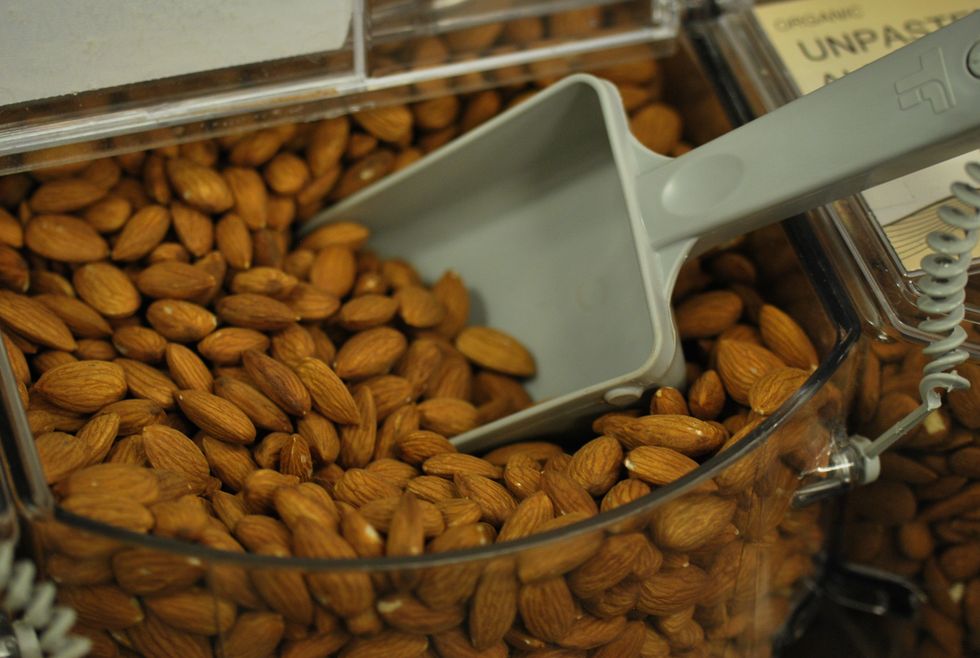
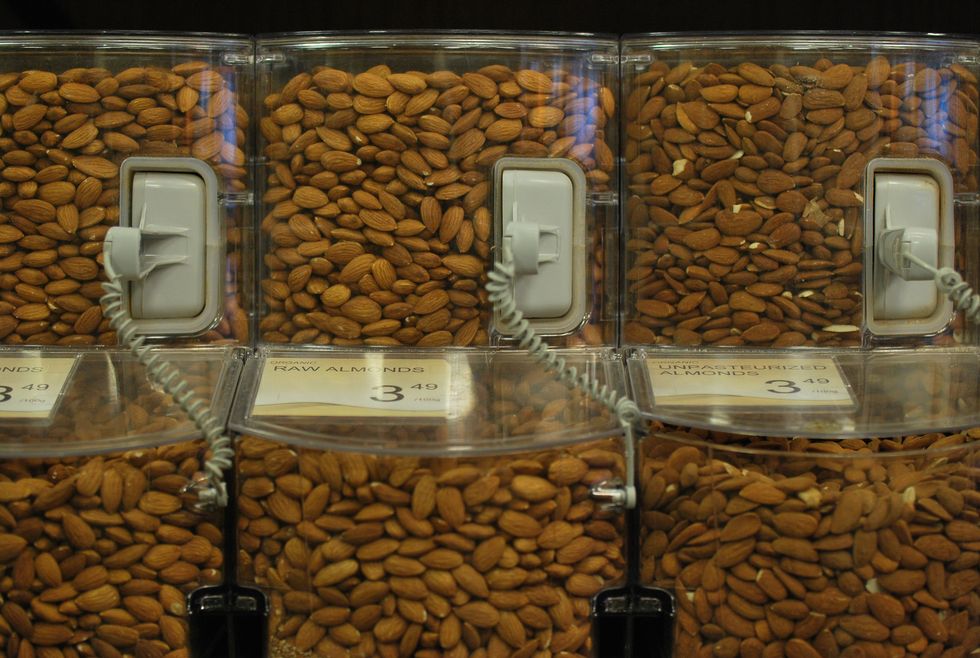
1. Almonds.
California provides 80 percent of the almonds consumed globally,and the crops are grown on nearly one million acres of otherwise pristine hillsides, pastures, or deserts. Besides the obvious destruction of wildlife and local farms, this monocrop consumes about 10 percent of California's water. These 1.07 trillion gallons of water are one-fifth more than Californians themselves use annually indoors (and they've had to cut down their water usage by 25 percent while agriculturists have no restrictions). If this isn't bad enough, the already-sensitive bee populations are heavily affected. Around 1.6 million colonies are needed to pollinate these California almonds, and about one million are imported from across the country annually. Between 15-25 percent of these colonies are severely damaged (either hive collapse or deformed brood) every year from the pesticides and "adjuvants" (basically pesticide enhancers), and then from malnutrition once all the almonds have been pollinated, thus leaving no more food left within miles for the bees. This is a devastating crop, and consumers must weigh their individual health benefits with the harm that is done to the planet before purchasing.
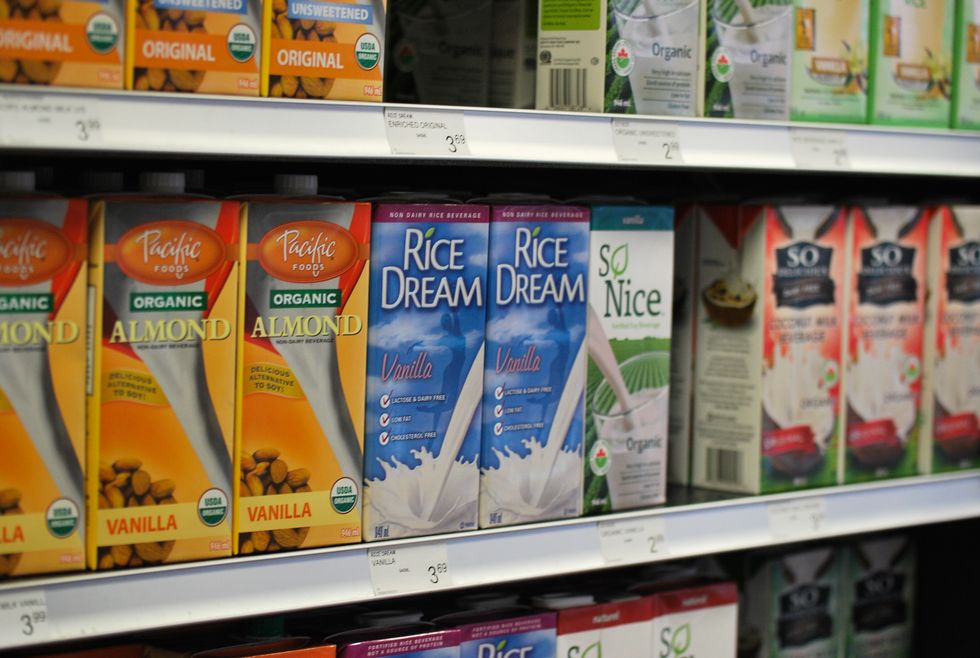
2. Milk Alternatives (and anything else) packaged in Tetra Paks
For the average college student, boxed milk-alternatives are great because they are designed to extend the shelf life of your milk alternatives (or whatever other liquid is packed in there) until opened. For the environmentally savvy student, they are even recyclable. Except not really. Anything recycled is turned back into similarly valued products. At best, Tetra Paks are down-cycled (this is turning a product into one with less value, and can only be done a few times, while many products can be indefinitely recycled). Not only this, they use virgin wood, plastic, and aluminum, and all that they can be turned into is office paper and cement. Another important reminder is that just because something can be recycled doesn't mean it will be. Only 25 percent of Tetra Paks were recycled globally in 2013, and the rest were incinerated into toxic ash or dumped in landfills.
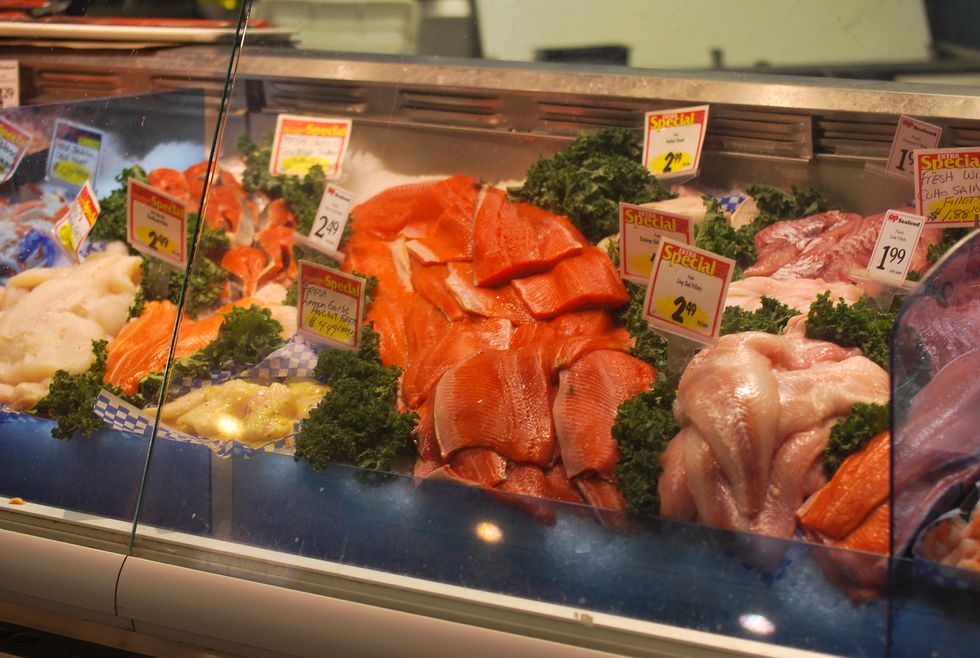
3. Fish
There are books written about the dangers of overfishing, and I can only write a short amount and hope that the dire situation that our oceans are in is made clear. Yes, there are many essential oils and nutrients in fish that make it an extra healthy food, but did you know that 85 percent of fisheries are somewhere between fully exploited to in-a-state-of-collapse, meaning that they have surpassed their biological limits by a landslide? Do you like tuna fish sandwiches? Well five out of eight species of tuna are currently being threatened by extinction. Savor that while you're eating your spicy tuna roll. We are not only losing species, but the reckless nature of our global fishing industries is threatening our precious ocean ecosystems. Only one percent of fisheries are recovering from depletion. If you want your grandchildren to get all the health benefits of fish you are, changes must be made.
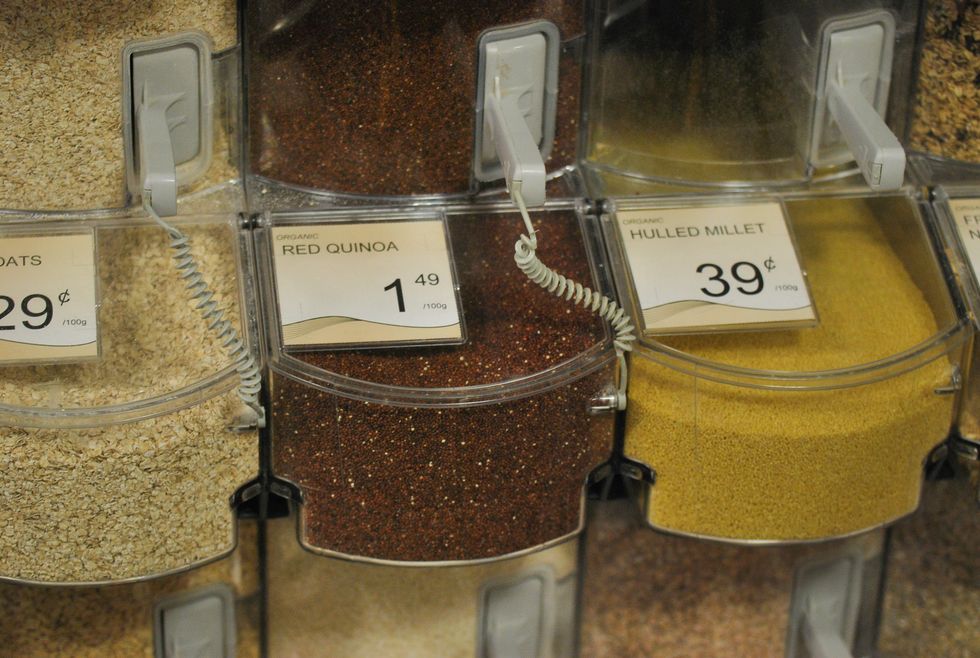
4. Quinoa
Quinoa, labelled as a superfood by many health magazines, has quickly risen from a staple food among the people who traditionally grow it in the Andes to a global commodity. As a result, its price has increased substantially (it tripled just between 2006 and 2013) and is seen more as a luxury product not to be eaten, but sold, by the impoverished people who grow it. In turn, they are suffering from chronic malnutrition. As the global demands of quinoa have increased, so have farmers increased the land used for growing their crop. This has resulted in widespread soil erosion and poor soil fertility in the already vulnerable Andean region. Maybe eating quinoa is a better alternative to supporting the wheat and meat industries, but you certainly can't eat it with a completely clear conscience.
Before you skip to Whole Foods based upon the article you read claiming a food is the next kale, double-check to see if it is just as magical for the earth as it is for your body.